
A wishbone is essentially a type of control arm, but not all control arms are wishbones. So, What Is the Difference Between a Control Arm and a Wishbone? The main difference lies in their shape and connection points. A control arm is usually a straight or slightly curved component that attaches to the chassis at a single point. On the other hand, a wishbone has a more complex “A”- shape and connects at multiple points, giving it greater control over the vehicle’s suspension. This design makes the wishbone a bit more precise, but also more expensive to make.
At GDST Auto Parts, we specialize in manufacturing high-quality control arms and wishbones that meet international standards. If you’re looking for reliable, customized solutions, we’re here to help.
Control Arm vs. Wishbone: What’s the Real Difference?
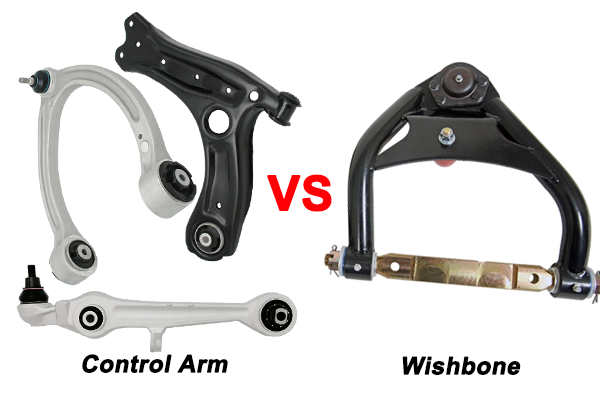
Let’s dive deeper into what makes control arms and wishbones different from each other.
Shape and Design
- A control arm is typically a straight or slightly curved piece that connects the wheel hub to the vehicle’s frame, usually at one attachment point.
- A wishbone, on the other hand, features an “A” shape, offering a triangular connection to the chassis. This design improves wheel control and alignment.
Why Wishbones Are More Expensive
- Welding and Assembly: Wishbones require more welding points and additional bushings—sometimes two—making them more labor-intensive to manufacture.
- Precision: The triangular design of a wishbone demands more precise machining, which increases production costs.
- Material: Because of its design, a wishbone might use more material to ensure it can handle the stresses of high-performance driving.
If you need control arms or wishbones, GDST Auto Parts offers both at competitive prices. We also provide customization options and ensure fast delivery, typically within 30 days.
Comparison of the Key Differences
| Feature | Control Arm | Wishbone |
|---|---|---|
| Shape | Straight or slightly curved | “A”-shaped, triangular design |
| Function | Maintains wheel alignment | Provides precise wheel control and alignment |
| Connection Type | Single point connection | Triangular connection (multiple points) |
| Applications | Common in most vehicles | Found in high-performance or sports cars |
| Cost | More cost-effective | More expensive due to complexity and precision |
How Control Arms and Wishbones Impact Your Vehicle’s Ride
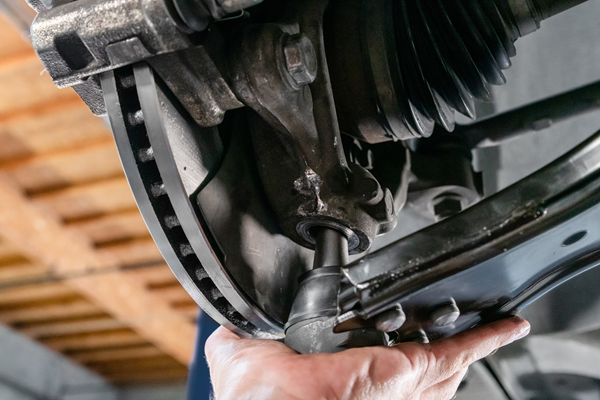
Both the control arm and wishbone are crucial to how your car handles, but they affect your ride differently.
- Control Arms: They’re primarily responsible for keeping your wheels aligned and allowing them to move up and down. A well-maintained control arm ensures your vehicle handles smoothly on most roads.
- Wishbones: Due to their more precise design, wishbones give better control, especially in high-performance cars. If you drive a sports car or a vehicle that needs extra suspension stability, wishbones are often the better choice.
At GDST Auto Parts, we ensure our control arms provide excellent durability while maintaining alignment for smooth driving. And if you need high-performance parts, we’ve got you covered with precision-crafted wishbones.
Curious about how long control arms typically last? Check out our article on How Long Do Control Arms Last?
Common Problems with Control Arms and Wishbones
Over time, both control arms and wishbones can wear out. Below are some potential issues:
- Control Arm: If your control arm starts to fail, you might hear clunking noises when driving over bumps or notice your vehicle pulling to one side. Uneven tire wear is another sign that it might be time for a replacement.
- Wishbone: A bad wishbone can cause vibrations or steering instability, making it feel like your car is difficult to control.
Ignoring these issues can affect your vehicle’s handling and safety. If you notice any of these symptoms, it’s a good idea to have your control arms or wishbones inspected as soon as possible.
Need help replacing your control arms? Our guide on How to Replace a Control Arm has you covered.
How to Choose Between Control Arms and Wishbones
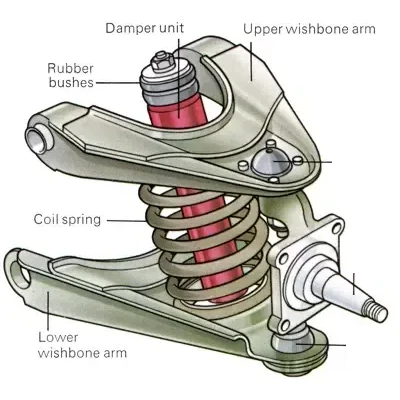
When deciding between a control arm and a wishbone, consider your vehicle’s needs:
- For everyday driving: Control arms are usually sufficient. The products are durable, good value for money, and easy to replace.
- For high-performance vehicles: If you’re driving a sports car or any vehicle that needs superior handling, a wishbone is often the better choice due to its precision.
At GDST Auto Parts, we provide custom-made control arms and wishbones to fit your needs. Whether you’re looking for high-performance parts or everyday replacements, we’ve got you covered. And if you have a bulk order or custom packaging request, don’t hesitate to reach out!
Interested in learning more about control arm replacement costs? Check out our article on Control Arm Replacement Cost.
FAQs: Quick Answers About Control Arms and Wishbones
Common signs include strange noises, difficulty steering, and uneven tire wear. For more detailed symptoms, check out our article on Symptoms of a Bad Control Arm
The lifespan of control arms and wishbones depends on factors like driving conditions, vehicle type, and maintenance. On average, control arms last around 80,000 to 100,000 miles. However, wishbones, due to their more complex design, may need replacement a bit earlier, especially in high-performance applications.
It is not recommended to drive with a bad control arm or wishbone. A damaged or worn-out suspension component can lead to poor vehicle handling, increased tire wear, and even cause accidents if it fails while driving. It’s important to get the suspension components checked and replaced as soon as you notice any signs of wear.
Conclusion
In summary, while control arms and wishbones are both key components in a vehicle’s suspension system, the main difference lies in their design and function. Control arms are straightforward, with a single connection point, and are more commonly found in everyday vehicles. On the other hand, wishbones have a more complex “A” shape with multiple connection points, offering greater precision, which is why they’re often used in high-performance vehicles or situations where handling is critical.
For more details on suspension control arms, feel free to check out our Complete Control Arm Guide. Our team is also happy to assist with any questions or bulk orders you may have.
Related Control Arm Guides
💡 Expand Your Knowledge
If you found this article helpful, you might also be interested in our technical deep-dives:
- What is a Control Arm? – Learn the basics of control arms and their role in vehicle suspension systems.
- Function of a Control Arm in a Car – Explore the specific role a control arm plays in a car’s suspension.
- Where Is the Control Arm Located? – Find out where to locate your control arm and why it matters.
- What Does a Control Arm Connect To? – Discover what parts a control arm connects to and how they interact.
- How Long Do Control Arms Last? – Find out the typical lifespan of control arms and when to replace them.
- Symptoms of a Bad Control Arm – Recognize the warning signs of a failing control arm to avoid costly damage.
- Top Control Arm Manufacturers in China – Discover the leading manufacturers for quality control arms in China.
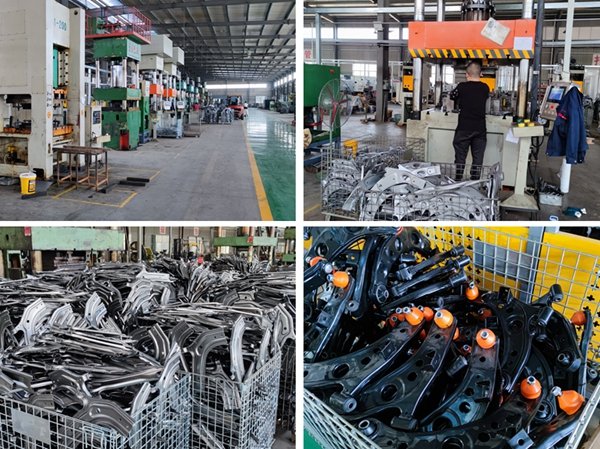
If you’re looking for high-quality suspension components that offer durability and precision, GDST Auto Parts provides both control arms and wishbones that meet international standards. We offer customization, fast delivery, and a one-year warranty on all our products.
Need a bulk quote or technical catalog? Contact our professional sales team – We’re ready to assist with customized solutions and pricing tailored to your needs.