In the steering rack business, the biggest problem is usually not paying a few extra dollars per unit. The real trouble starts when a full container arrives, and local repair shops begin reporting oil leaks, steering looseness, or dead spots inside the rack. That often leads to customer complaints, warranty claims, returns, and pressure on distributors. Many steering racks may look similar from the outside, but the real difference is inside the product. Material quality, machining accuracy, seal performance, and production consistency all directly affect long-term reliability.
For importers, choosing the right steering rack supplier is not only about comparing prices. It is also about checking whether the manufacturer can provide stable OE-quality production, reliable materials such as induction-hardened steel components, high-pressure hydraulic testing, and consistent supply capability. This guide explains the key factors importers should focus on when sourcing steering racks for long-term business success.
Factors to Consider When Buying Steering Racks
A lot of buyers focus too much on price in the beginning. That is understandable. But in the steering rack industry, the technical details behind the product often matter more than a small price difference.
Here are some of the most important things importers should check before placing an order.
| Factor | Industry-Specific Details | Impact on Business |
|---|---|---|
| Material & Metallurgy | 45# Steel or 40Cr alloy steel for gears and housing | Better durability and longer service life |
| Seals | HNBR premium oil seals | Better leak resistance |
| OE-quality manufacturing | CNC machining and heat treatment | Smoother steering performance |
| Compliance | ISO/TS 16949, CE, E-mark | Easier entry into global markets |
| Production & Lead Time | Stable batch production | Better inventory planning |
| Custom Packaging | OEM labels and custom boxes | Better distributor branding |
Material and Metallurgy
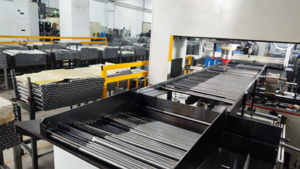
This is one of the biggest quality differences in steering racks.
Some low-cost products use lower-grade steel or poor heat treatment processes. At first, the steering rack may seem fine. But after months of use, internal wear can become serious.
Reliable rack-and-pinion steering systems often use 45 steel or 40Cr alloy steel to manufacture their critical internal components. These materials provide better hardness, wear resistance, and long-term durability.
Heat treatment also matters. Poor heat treatment can lead to gear wear, steering looseness, and noise problems later.
Oil Seals Matter More Than Many Buyers Think
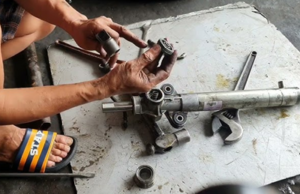
Oil leaks are one of the most common steering rack problems in the aftermarket.
This is why seal quality is critical.
Many experienced buyers now look for steering racks using HNBR premium oil seals instead of standard rubber seals. HNBR seals usually offer:
- Better heat resistance
- Better oil resistance
- Longer service life
- Lower leakage risk
Importers often check this detail carefully because leaking steering racks can quickly create large claim problems.
Manufacturing Consistency
One good sample does not always mean every batch will be good.
This is why stable production capability is important.
Some factories can produce a good prototype but struggle to maintain quality consistency during mass production. This can create problems later when distributors receive mixed-quality shipments.
Many importers now pay close attention to:
- CNC machining precision
- Production management
- Quality inspection process
- Batch consistency
Reliable manufacturing typically minimizes unexpected issues when goods arrive.
Common Mistakes Importers Make When Sourcing Steering Racks
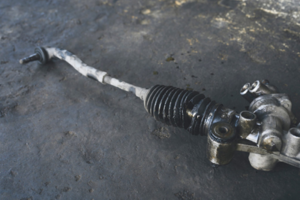
I have seen many buyers make the same mistakes again and again.
The first mistake is focusing only on price.
A steering rack that is cheaper by a few dollars may later create much larger losses through claims, labor costs, and customer complaints.
Another common mistake is ignoring technical details.
Some buyers never ask about:
- Steel material
- Heat treatment
- Seal brand or seal material
- Machining process
- Testing standards
That creates risk.
In some cases, importers only discover problems after the products reach local repair shops. At that point, the cost becomes much higher.
Another issue is poor communication with suppliers.
Working with suppliers that provide technical support, pre-shipment inspection, and clear production updates can help reduce many sourcing problems before shipment.
Tips for Comparing Suppliers Efficiently
Comparing steering rack suppliers is not only about comparing quotations.
Good buyers usually compare the full picture.
Here are a few practical things worth checking before making a decision:
- Request samples for testing
- Ask about 45# steel or 40Cr material usage
- Confirm whether HNBR oil seals are used
- Check ISO/TS 16949 or other certifications
- Review warranty policies
- Evaluate production lead times
- Ask about packaging customization
Suppliers that can provide clear technical information often make procurement much easier.
Fast communication also matters. Delayed replies during quotation stages often become bigger communication problems later during production and shipping.
If you want a more detailed step-by-step guide on evaluating suppliers, check out our guide How to Choose a Steering Rack Supplier.
The True Cost-Benefit Perspective for Importers
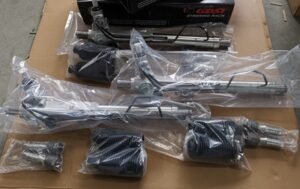
Many importers eventually realize that the cheapest steering rack is not always the lowest-cost option.
The real business cost appears after the products enter the market.
| Aspect | Low-quality Parts | OE-quality / Reliable Parts |
|---|---|---|
| Material & Seals | Unknown steel and standard seals | 45# / 40Cr steel with HNBR seals |
| Claim rate | Higher | Lower |
| Return frequency | Higher | Lower |
| Customer satisfaction | Unstable | More stable |
| Long-term procurement cost | Often higher | Usually lower |
| Brand reputation | Higher risk | Stronger market trust |
Lower Claim Rates
Every warranty claim costs money.
Not only for replacement products, but also for:
- Labor
- Shipping
- Customer service time
- Business reputation
If claim rates become too high, distributors may even lose long-term customers.
Lower Return Pressure
- Returns create extra work for inventory teams and sales teams.
- They also increase warehouse pressure and logistics costs.
- Reliable steering racks usually help reduce these problems.
Better Reputation in the Market
In many markets, repair shops and wholesalers remember which suppliers provide stable quality.
That reputation becomes valuable over time.
Many importers now care more about stable OE-quality production than simply finding the lowest quotation.
They know consistent quality often leads to:
- More repeat business
- Better customer trust
- Lower operational stress
Ready to cut out middleman markups? [Connect with our logistics team to calculate your optimized factory-direct landed costs.]
FAQ
How can I verify steering rack quality before placing a bulk order?
What specific material standards should I look for?
Factory prices are great, but how do I handle strict SKU MOQs?
How do reliable manufacturers handle international warranty claims?
Related Steering Rack Guides
If you want to learn more about steering racks, here are some guides that can help you dive deeper:
- [Steering Rack Price Guide (2026)]– Understand current pricing trends and how to compare suppliers.
- [Hydraulic vs Electric Steering Rack]– Compare different steering systems and their applications.
- [Types of Steering Racks Explained]– Learn about different steering rack designs and features.
- [Common Steering Rack Problems]– Identify issues you might encounter with low-quality racks.
- [How Long Does a Steering Rack Last?]– Understand the expected lifespan and maintenance tips for steering racks.