
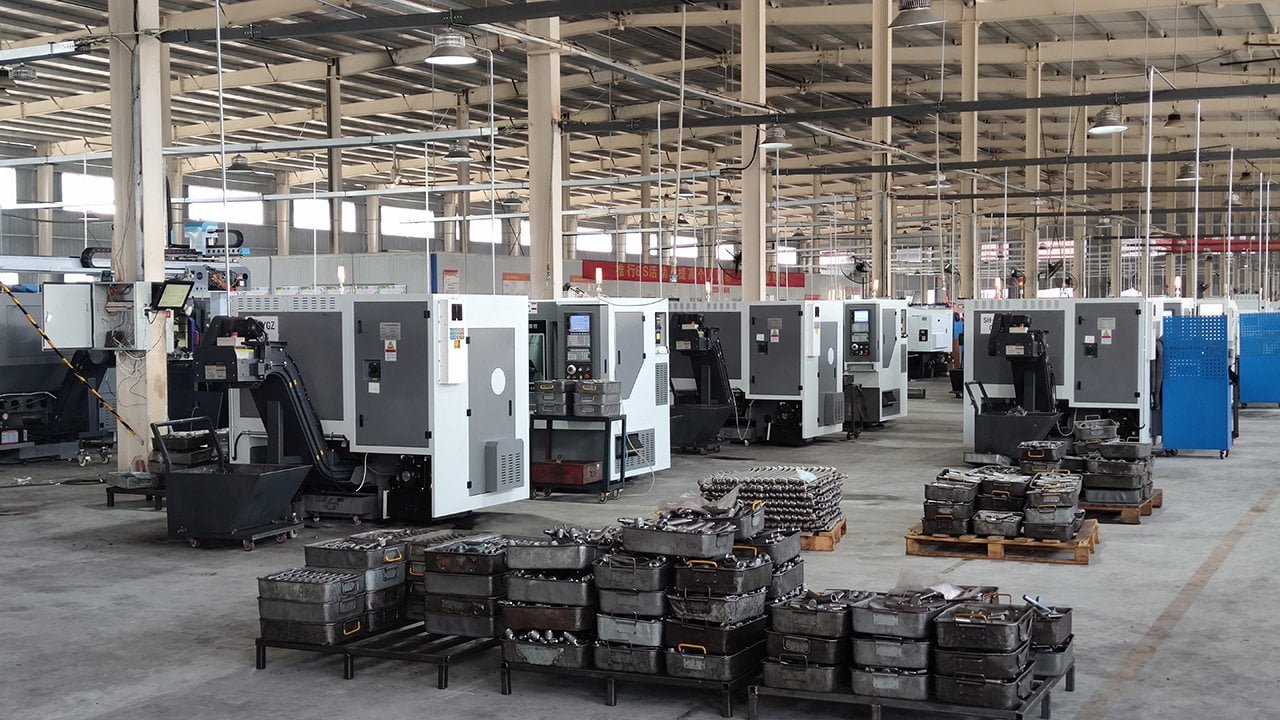
Hearing noise from the steering rack is never a good sign. Often, the sound is very faint at first. A slight knock when turning. A whining sound during low-speed steering. A clunk over rough roads. Then the problem slowly gets worse.
Steering rack noise usually comes from internal gear wear, damaged seals, low or contaminated power steering fluid, or loose mounting components. In some cases, the problem can be fixed through maintenance or part replacement. In more serious cases, the steering rack may need to be rebuilt or replaced completely.
Many steering problems are easier and cheaper to fix in the early stage. That is why understanding the root cause matters.
Before diagnosing noise problems, it also helps to understand what a steering rack is and how it works inside the steering system.
Common Root Causes of Steering Rack Noise
Steering rack noise can come from several different areas inside the steering system. Some noises come from normal wear over time. Others may point to internal damage or poor lubrication.
Identifying the true source of the noise is the first step toward solving the problem properly.
Worn Internal Gears and Rack Components
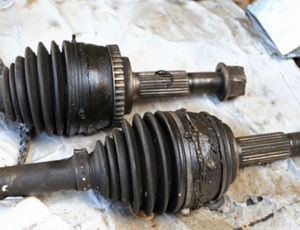
This is one of the most common causes of steering rack noise.
Inside the steering rack, the rack-and-pinion gears are constantly under pressure during steering movement. Over time, the metal surfaces begin to wear. Once clearances increase inside the gear assembly, noise usually follows.
Common sounds include:
- Knocking
- Clunking
- Grinding
- Metal-to-metal contact noise
Poor metallurgy can make this problem appear much earlier.
Low-quality steering racks sometimes use weaker steel materials or poor heat treatment processes. Under long-term use, the gear teeth begin wearing unevenly, especially under heavy steering load.
Reliable steering racks often use:
- 45# medium carbon steel
- 40Cr alloy steel
- Induction-hardened gear surfaces
- Precision CNC-machined rack bars
These materials provide better hardness, wear resistance, and long-term stability.
If you want a deeper understanding of the steering mechanism itself, this guide on how a steering rack works explains the rack-and-pinion system in more detail.
Damaged or Hardened Seals
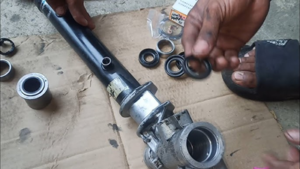
Seal problems are another major source of steering rack noise.
In hydraulic steering systems, internal seals help maintain proper fluid pressure. Once seals begin hardening, cracking, or leaking, the hydraulic pressure becomes unstable. This often creates whining or groaning sounds during steering.
Low-grade rubber seals usually fail much faster under:
- High temperature
- Pressure cycling
- Contaminated fluid
- Cold-weather operation
Many OE-quality steering racks now use:
- HNBR (Hydrogenated Nitrile Butadiene Rubber) seals
- High-pressure PTFE sealing rings
- Oil-resistant fluorocarbon materials
HNBR seals are especially common in higher-quality steering racks because they offer:
- Better heat resistance
- Better oil resistance
- Longer service life
- Lower leakage risk
Importers and distributors often pay close attention to seal materials because leakage problems can quickly lead to warranty claims and customer complaints.
Low or Contaminated Power Steering Fluid
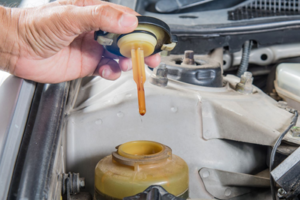
Sometimes the steering rack itself is not the main problem.
Low fluid levels or contaminated hydraulic fluid can also create steering noise.
When air enters the hydraulic system, drivers may hear:
- Whining sounds
- Groaning noises
- Buzzing during steering
Dirty fluid can create additional wear inside the rack and pump system. Metal particles and debris may circulate through the hydraulic system and damage internal surfaces over time.
Common causes include:
- Delayed fluid replacement
- Poor-quality hydraulic oil
- Internal component wear
- Seal deterioration
In many workshops, technicians first check the fluid condition before replacing the steering rack itself.
Loose Mounting Bushings and Hardware
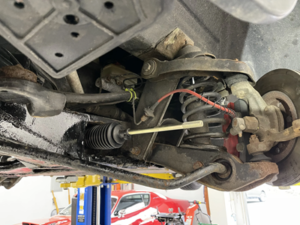
Not every steering noise comes from inside the rack.
Sometimes the problem comes from mounting points around the steering assembly.
Worn bushings or loose mounting bolts can allow the steering rack housing to shift slightly during steering movement. This often creates:
- Rattling sounds
- Clunking over bumps
- Vibration noise
- Chassis feedback
In some cases, drivers believe the steering rack has failed when the actual problem is only loose mounting hardware.
That is why proper inspection matters before replacing expensive components.
Steering Rack Wear Caused by Long-Term Use
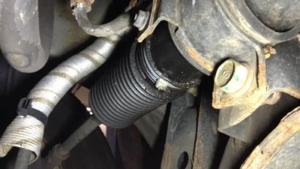
Even high-quality steering racks wear over time.
As mileage increases, internal friction slowly affects gears, seals, bushings, and hydraulic pressure stability. Noise usually becomes more noticeable during this stage.
Typical signs include:
- Increased steering play
- Uneven steering feel
- Intermittent knocking
- Fluid seepage
- Steering stiffness
Understanding how long a steering rack lasts can help vehicle owners, workshops, and parts buyers better judge whether repair or replacement makes more sense.
In higher-mileage vehicles, replacing the steering rack is sometimes more cost-effective than repeated repairs.
How to Diagnose Steering Rack Noise
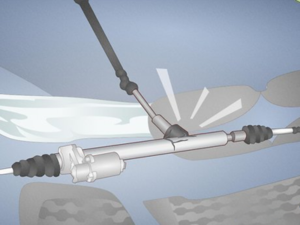
Proper diagnosis is important because steering noise can come from several different components.
A simple inspection process usually includes:
- Listening to noise during left and right turns
- Checking the hydraulic fluid condition
- Inspecting seals for leakage
- Examining mounting bushings and bolts
- Testing steering response under load
- Checking for excessive steering play
In some cases, the noise may come from nearby suspension or steering components rather than the steering rack itself.
For importers and distributors, this is also why production consistency matters. Steering racks with poor machining precision or unstable assembly quality often develop noise problems earlier in the product life cycle.
Effective Fixes for Steering Rack Noise
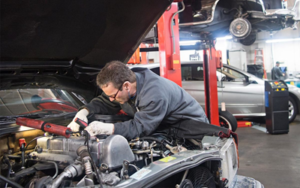
The right fix depends on the actual source of the problem.
Minor issues can sometimes be repaired. Severe wear usually requires replacement.
Common repair solutions include:
- Replacing damaged seals
- Flushing contaminated hydraulic fluid
- Tightening loose mounting hardware
- Replacing worn bushings
- Adjusting steering components
However, if the rack gears or internal housing surfaces are heavily worn, replacement is often the better long-term solution.
In many cases, repeated small repairs eventually cost more than replacing the steering rack completely.
If replacement becomes necessary, this guide on how to replace a steering rack explains the general replacement process and important installation considerations.
Preventing Noise Problems in Steering Racks
Many steering rack noise problems can be reduced through better product quality and proper maintenance.
For importers and distributors, choosing reliable steering racks from the beginning can greatly reduce future claim rates.
| Component Area | Lower-Quality Steering Rack | OE-Quality Steering Rack |
|---|---|---|
| Gear Material | Standard low-grade steel | 45# steel / 40Cr alloy steel |
| Seal Material | Standard rubber seals | HNBR premium seals |
| Machining Precision | Inconsistent | CNC precision machining |
| Heat Treatment | Basic treatment | Induction hardening |
| Hydraulic Testing | Limited testing | 100% pressure simulation testing |
Many buyers now pay close attention to:
- Metallurgical specifications
- Seal performance
- Hydraulic pressure testing
- Batch consistency
- CNC machining accuracy
Partnering with suppliers that support OE-quality production standards often helps reduce steering noise problems, warranty claims, and long-term after-sales pressure.
The steering system type also affects the kind of noise drivers may hear. Hydraulic systems and electric systems behave differently under load. This comparison of hydraulic vs electric steering racks explains those differences in more detail.
Looking for high-quality OE-standard steering racks with durable gears and premium HNBR seals? Our team can help you source reliable racks with stable supply and consistent production standards.
[popup_trigger id=”7251″ tag=”button”]Request a Quote[/popup_trigger]