
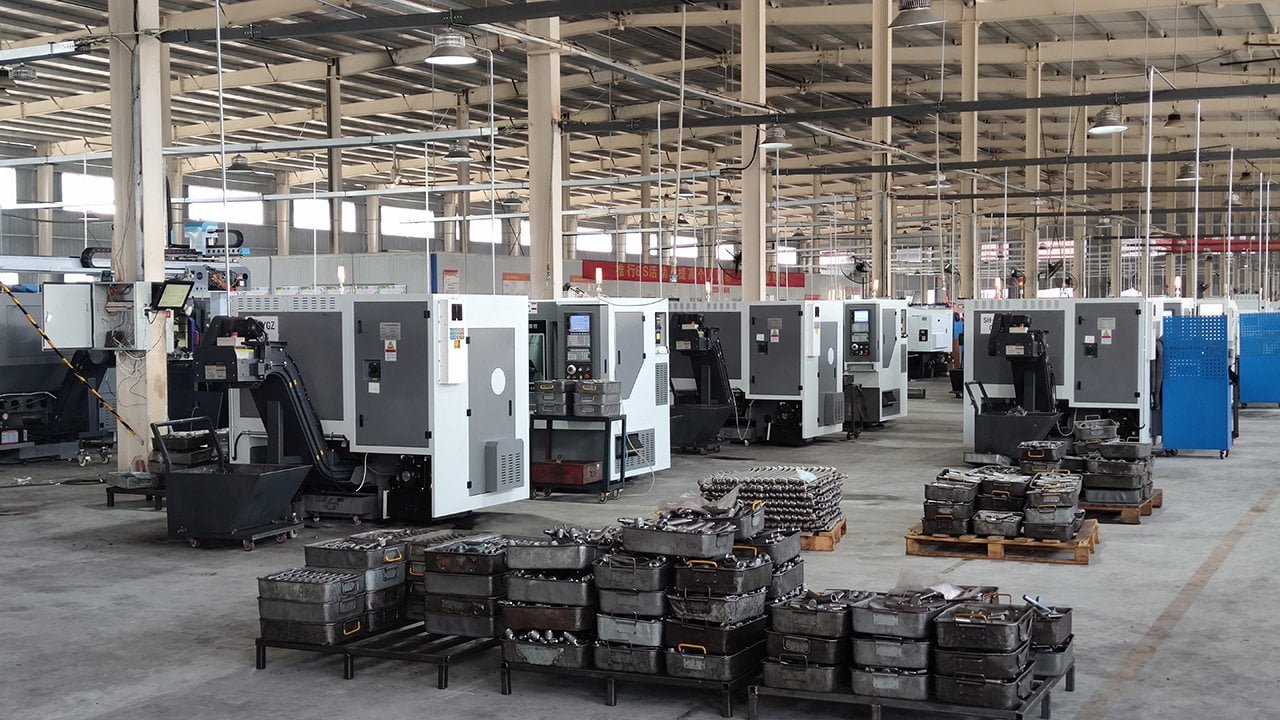
Steering problems can create an uncomfortable situation for drivers and repair professionals alike. Once symptoms such as fluid leaks, unusual noises, or loose steering begin to appear, one question usually comes up:
Is replacing a steering rack really worth the cost?
The answer is not always straightforward. Replacing a steering rack is a larger investment than fixing a minor issue, but delaying the replacement can sometimes lead to greater expenses later. The key is understanding the condition of the steering rack and whether repair can still provide reliable performance.
Is It Worth Replacing a Steering Rack
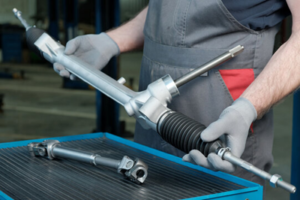
Replacing a steering rack is often worth it when wear, leakage, or internal damage starts affecting steering performance and reliability. Although replacement typically costs more upfront than small repairs, it can reduce repeated maintenance expenses and improve long-term safety and driving performance.
Whether to make this decision often depends on a simple question:
Is the problem temporary, or is the steering rack reaching a point where failures are likely to continue?
Here are some common situations:
| Situation | Is Replacement Worth It? | Main Reason |
|---|---|---|
| Minor seal leakage | Sometimes | Repair may solve the issue |
| Internal gear wear | Yes | Repair reliability is limited |
| Repeated failures | Yes | Avoid recurring labor costs |
| Steering looseness | Usually yes | Safety concerns |
| High-mileage vehicle | Depends | Overall vehicle value matters |
One factor people sometimes overlook is service life. A steering rack that has already experienced extensive mileage or long-term wear can become more vulnerable to repeated issues, even after repair. If you’re unsure whether age and usage may be contributing factors, understanding How Long Does a Steering Rack Last can help provide more context before making a replacement decision.
In many cases, replacing a heavily worn steering rack is not simply about fixing a current issue. It is also about reducing the chance of dealing with the same problem again a few months later.
When Is Replacement the Only Logical Option
There are situations where continuing to repair a steering rack starts becoming difficult to justify. The issue is no longer about saving money on the current repair bill. It becomes a question of long-term reliability and safety.
Replacement usually becomes the more practical option when you start seeing problems like:
- Severe internal wear
- Heavy or inconsistent steering resistance
- Major fluid leakage
- Excessive steering play
- Multiple recurring repairs
- Steering instability while driving
For example, replacing a damaged seal can make sense if the rest of the unit is still in good condition. But if internal gears are worn or the steering response feels unstable, repairing one component may not solve the actual problem.
I often see situations where several small repairs are made over time because each individual fix appears cheaper. The problem is, when you factor in the labor costs of repeatedly removing and reinstalling the part, the losses incurred while the car is out of service, and the time and effort spent troubleshooting each issue, the money wasted in the end would have been enough to buy a brand-new, OEM-quality steering rack.
In the automotive supply chain, “repairing instead of replacing” sometimes not only fails to save money but actually sets the stage for even more expensive bills down the road.
Is It Better to Repair or Replace a Steering Rack
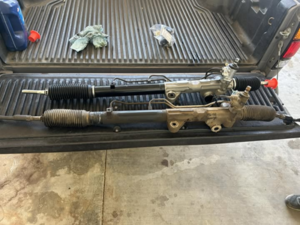
Repair and replacement both have their place. The better option depends on the severity of the damage and the expected long-term outcome.
| Factor | Repair | Replacement |
|---|---|---|
| Initial cost | Lower | Higher |
| Reliability | Moderate | Higher |
| Future maintenance | May increase | Lower |
| Repeat labor | Possible | Usually one-time |
| Long-term value | Depends | Often stronger |
Repair can make sense when:
- The issue is small and was discovered early
- Leakage is limited
- Internal components remain in good condition
- Vehicle value does not justify a complete replacement
Replacement often becomes the better choice when:
- Internal mechanical wear is significant
- Multiple failures have already occurred
- Steering performance is affected
- Safety becomes a concern
Many people naturally focus on the upfront price difference. That is understandable. However, the lowest repair cost today does not always produce the lowest cost six months later.
What Affects Steering Rack Replacement Cost
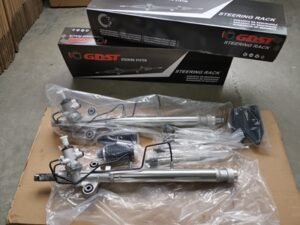
Steering rack replacement costs can vary significantly from one vehicle to another.
Several factors usually influence pricing:
Vehicle model
- Some vehicles require more complicated installation procedures, while others have easier access and lower labor requirements.
Steering system type
- Hydraulic systems and electric power steering systems may involve different component structures and costs.
Labor expenses
- Labor rates can vary widely depending on location and repair complexity.
Part quality
- There is often a noticeable difference between low-cost products and components manufactured to OE-quality standards.
OEM versus aftermarket options
- Both options have their place, but consistency, durability, and manufacturing quality can directly affect long-term performance.
Focusing only on purchase price can sometimes hide the bigger picture. A lower initial cost may not create savings if the component creates additional issues later.
What Should Buyers Consider When Choosing a Replacement Steering Rack
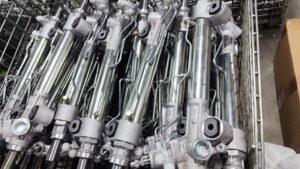
When it comes to purchasing steering systems, a quote is just the first step. What truly gives buyers peace of mind is the ability to resolve compatibility and quality issues in the local market.
Several other factors often influence long-term results:
- OE-quality manufacturing standards
- Material strength and durability
- Production consistency
- Warranty support
- Stable lead times
- Customization capability
- Technical support
Buyers handling multiple vehicle applications often look beyond unit pricing because product consistency directly affects customer satisfaction and operational efficiency.
A steering rack that performs well in one shipment but creates problems in the next shipment can quickly become difficult for distributors and wholesalers to manage.
Reliable supply and stable quality often create more value than simply reducing the purchase cost.
📄 Not sure if a complete assembly fits your target market’s pricing?
[popup_trigger id=”7251″ tag=”button”]Request Bulk Pricing Layout & Catalog →[/popup_trigger]
The True Cost-Benefit Analysis for B2B Procurement
For distributors and wholesalers, replacement decisions are rarely based only on component cost.
The bigger question is:
What happens after the product reaches customers?
A lower purchase price may look attractive initially, but if quality issues lead to more claims and returns, the total business cost can become much higher.
| Procurement Factor | Lower-quality Products | Reliable OE-quality Products |
|---|---|---|
| Claim rates | Higher | Lower |
| Return frequency | Higher | Lower |
| Customer satisfaction | Less stable | More stable |
| Brand reputation | Potential risk | Stronger |
| Repeat orders | Less predictable | More likely |
Reduced claim rates
Frequent claims create hidden costs that are easy to underestimate.
They often involve:
- Additional communication time
- Warranty processing
- Replacement shipments
- Customer support costs
Lower return rates
Returns also create operational pressure.
Higher return levels can lead to:
- More inventory management work
- Additional shipping expenses
- Delayed cash flow
- More administrative work
FAQ
Is driving with a bad steering rack dangerous?
How much does steering rack replacement usually cost?
How long does steering rack replacement take?
Can replacing a steering rack improve steering performance?
Conclusion
Analyzing the mechanical realities and labor costs proves that choosing complete steering rack replacement over localized repairs provides superior long-term performance and financial returns. For regional distributors and high-volume wholesalers, providing complete, OE-quality replacement assemblies reduces product claim rates, protects end-user safety, and improves brand trust within local installer networks.
At GDST Auto Parts, we reduce procurement barriers for international buyers by offering high-strength steering racks directly from our manufacturing facilities. With twenty years of specialized manufacturing experience, an ironclad 1-year warranty, and an organized 30-day standard production cycle, we enable procurement teams to secure stable inventory without sacrificing quality.
[popup_trigger id=”7251″ tag=”button”]Request Direct Factory-Level Pricing Sheet[/popup_trigger]