
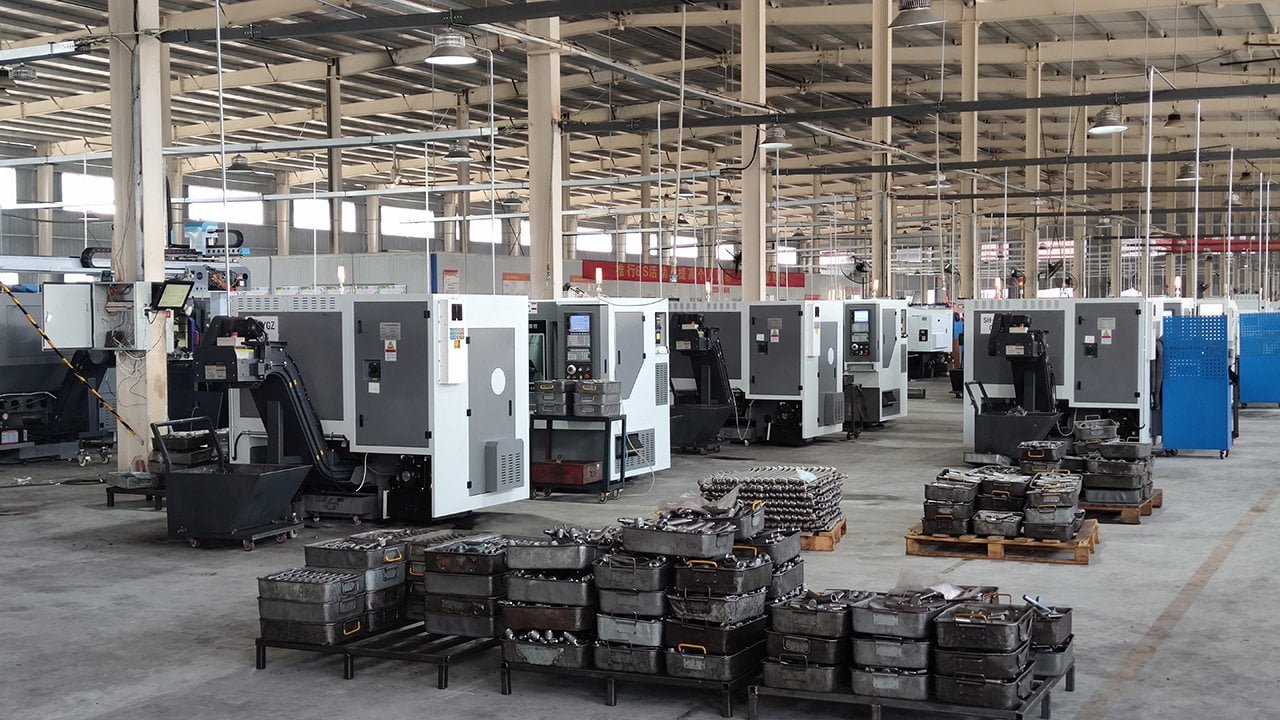
When it comes to vehicle steering systems, choosing the right steering rack is essential for smooth handling, control, and driving comfort. Steering racks come in different types, each offering specific benefits depending on the vehicle’s needs. In this article, we’ll dive into the different types of steering racks—manual, hydraulic, electric, electro-hydraulic, and variable—and help you understand their advantages and disadvantages, so you can make the best choice for your vehicle or business.
For an overview of its basic structure, see [What is a steering rack].
5 Types of Steering Racks
1. Manual Steering Rack
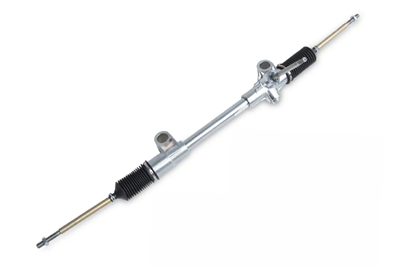
What It Is
A manual steering rack is the simplest type of steering rack. It doesn’t rely on any power assist — instead, the driver directly turns the steering wheel, which in turn moves the steering rack to steer the wheels.
Advantages
- Cost-effective: Manual steering racks are usually cheaper than their powered counterparts because they have fewer components.
- Simplicity: With fewer parts involved, manual steering racks tend to have fewer things that can go wrong. They’re known for their durability and reliability.
- Low Maintenance: Since there’s no power steering pump, fluid, or electronics, manual racks are easier and cheaper to maintain.
Disadvantages
- Heavy Steering: Without power assistance, the driver must exert more effort to turn the wheel, especially at lower speeds or when parking.
- Limited Comfort: In comparison to power-assisted systems, manual steering racks are less comfortable, particularly on long trips or in vehicles with larger tires.
Best For
- Budget-friendly vehicles and lightweight cars. If you’re looking for an affordable solution, a manual steering rack might be the way to go.
2. Hydraulic Steering Rack
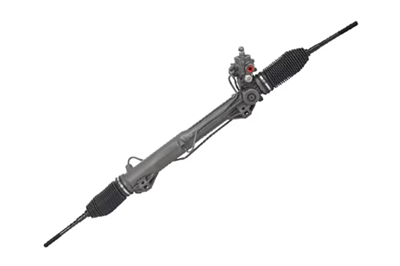
What It Is
Hydraulic steering racks use hydraulic fluid and a pump to assist in steering the vehicle. This system provides power assistance to the driver, making steering much easier compared to a manual system.
Advantages
- Effortless Steering: Hydraulic power steering racks reduce the amount of effort needed to turn the wheel, making it easier to maneuver the vehicle, especially at low speeds.
- Smooth Driving: These racks provide a smooth and responsive steering experience, which improves overall driving comfort.
- Reliable and Durable: With proper maintenance, hydraulic steering systems are known to last for a long time and provide reliable performance.
Disadvantages
- Complex Maintenance: Hydraulic steering systems require fluid, and over time, the fluid can leak or degrade, requiring regular checks and maintenance.
- Fuel Efficiency: The hydraulic pump draws power from the engine, which can slightly reduce fuel efficiency.
Best For
- Most modern cars, SUVs, and trucks. If you’re dealing with larger vehicles or want to provide a comfortable driving experience, hydraulic steering racks are a popular choice.
3. Electric Steering Rack
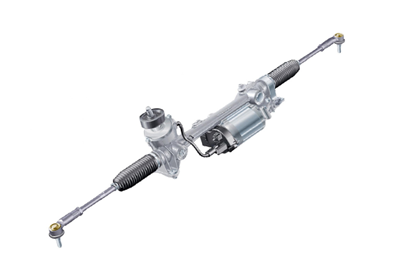
What It Is
Electric steering racks use an electric motor to provide power assistance. The motor adjusts the amount of steering assistance based on the vehicle’s speed and driving conditions, making it more energy-efficient than hydraulic systems.
Advantages
- Energy-efficient: Unlike hydraulic systems, electric steering racks don’t rely on fluid or a hydraulic pump. The electric motor uses only as much power as needed, which improves fuel economy.
- Precise Control: Electric racks offer more precise steering control, especially at high speeds, by adjusting the steering effort based on driving conditions.
- Less Maintenance: With no hydraulic fluid or pump, electric steering racks require less maintenance compared to hydraulic systems.
Disadvantages
- Initial Cost: Electric steering racks are often more expensive upfront than hydraulic systems due to their advanced components.
- Complexity: The system is more complex, involving electronics and sensors that can occasionally fail.
Best For
- Electric and hybrid vehicles, as well as high-performance cars. If you’re looking for precision and energy savings, electric steering racks offer an excellent solution.
Interested in learning more about how electric systems compare to hydraulic? Check out our detailed guide on Hydraulic vs Electric Steering Rack.
4. Electro-Hydraulic Steering Rack
What It Is
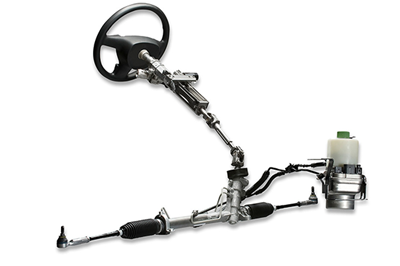
The electro-hydraulic steering rack combines the best of both worlds, integrating electric power steering with hydraulic assistance. This system uses an electric motor to assist the hydraulic pump, providing a more efficient power steering experience.
Advantages
- Balanced Performance: Electro-hydraulic systems offer the benefits of both hydraulic and electric steering systems, providing smooth and responsive handling.
- Energy Efficiency: Since the electric motor powers the hydraulic pump, it improves fuel economy compared to traditional hydraulic systems.
- Versatility: These systems are used in a wide range of vehicles, from regular sedans to high-end luxury cars.
Disadvantages
- Costly: This system tends to be more expensive than basic hydraulic or electric steering racks due to its complex components.
- Maintenance: Like any system with both electric and hydraulic parts, electro-hydraulic systems can require more maintenance and have higher repair costs.
Best For
- Luxury vehicles or performance cars that require the best of both worlds: comfort, precision, and efficiency.
5. Variable Steering Rack
What It Is
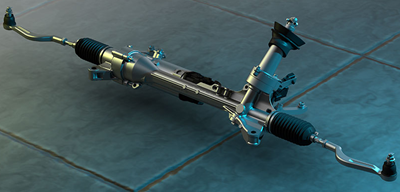
A variable steering rack adjusts the ratio of steering response based on the vehicle’s speed. At low speeds, the steering ratio is quick, making it easier to park and maneuver. At higher speeds, the ratio becomes slower for more stable and precise control.
Advantages
- Dynamic Control: The variable steering system adjusts to the driving conditions, offering quick and easy handling at low speeds and more stability at high speeds.
- Improved Handling: This type of steering provides a better driving experience, particularly for sporty or performance-oriented vehicles.
- Safety: The quicker steering response at low speeds improves maneuverability in tight spots, while the slower response at high speeds enhances stability.
Disadvantages
- Higher Cost: Variable steering racks are often more expensive due to the advanced technology involved.
- Complexity: The system is more complex, with additional components that may require specialized repairs.
Best For
- Sports cars and performance vehicles. If you need both agility and stability, a variable steering rack is an ideal choice.
Steering Rack Types Comparison
| Feature | Manual Steering Rack | Hydraulic Steering Rack | Electric Steering Rack | Electro-Hydraulic Steering Rack | Variable Steering Rack |
|---|---|---|---|---|---|
| Assist Source | None | Hydraulic fluid | Electric motor | Electric + Hydraulic | Variable (Electric) |
| Fuel Efficiency | N/A | Moderate | High | Moderate to High | High |
| Maintenance Difficulty | Low | Medium | High | High | High |
| Market Demand | Low | High | Growing (EV market) | High | Niche (Performance) |
| Best For | Budget cars, lightweight vehicles | SUVs, trucks, modern sedans | Electric/hybrid vehicles, performance cars | Luxury/performance vehicles | Sports/performance vehicles |
| GDST Production Advantages | Simple design, low cost, high durability | High performance, factory direct, custom options | Precision control, low maintenance, energy-efficient | Balanced performance, fuel-efficient, customizable | Dynamic response, advanced technology |
How to Choose the Right Steering Rack for Your Vehicle
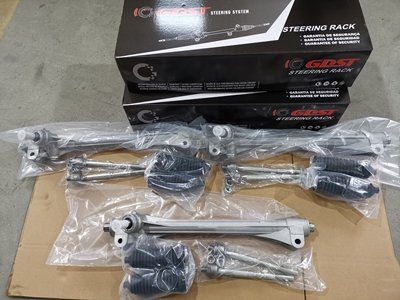
Choosing the right steering rack depends on your vehicle’s type, intended use, and budget. Here are some things to consider:
- Budget: Manual racks are the most affordable, but if you want comfort and ease of steering, you’ll need to consider hydraulic or electric options.
- Vehicle Type: For larger vehicles like SUVs and trucks, a hydraulic or electro-hydraulic steering rack might be more suitable. For smaller cars or sports vehicles, electric or variable systems could offer better performance.
- Driving Experience: Think about the driving experience you want to provide. For easy steering and smooth rides, hydraulic racks are the way to go. If you’re looking for precision and low maintenance, electric steering racks might be the best option.
Not sure how to replace your steering rack? Check out our guide on How to Replace a Steering Rack for a step-by-step breakdown.
Conclusion: Why Choose GDST Steering Racks
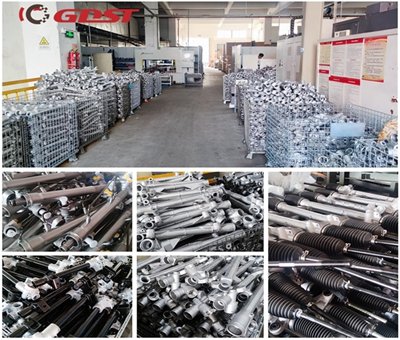
Different types of steering racks each have their own advantages; the choice depends on the target vehicle’s positioning and the end customer’s needs. At GDST, we provide high-quality steering racks that meet international standards. Whether you need a manual, hydraulic, or electric steering rack, our products are designed to deliver superior performance and reliability. We offer factory-direct sales, custom packaging, and a one-year warranty with lifetime service.
If you’re looking for a steering rack that fits your specific needs, GDST has the solution. Our expert team can help guide you in selecting the best steering rack for your vehicle or business.
Related Steering Rack Guides
Want to dive deeper into suspension systems? Check out these related guides:
- Steering Rack Price Guide (2026)
- Hydraulic vs Electric Steering Rack
- Manual vs Power Steering Rack
- Steering Rack Problems
- How Long Does a Steering Rack Last
FAQ
Steering racks typically last between 150,000 and 200,000 kilometers, though the exact lifespan depends on usage and maintenance. To help extend the life of your steering rack, it is important to inspect it regularly and change the lubricant promptly.
For more information, please read: How long does a steering rack last.
If your vehicle experiences issues such as sluggish steering, unusual noises, difficulty turning, or misalignment, the steering rack may be faulty. By carefully examining these symptoms, you can determine whether the steering rack needs to be replaced.
For more details, please refer to our article: Bad Steering Rack Symptoms.
A manual steering rack does not rely on any power-assist system, so the driver must apply more force to turn the steering wheel; it is suitable for vehicles with a lower budget. A hydraulic steering rack, on the other hand, provides an easier steering experience through hydraulic power assistance and is typically used in mid- to high-end vehicles.
Electric steering racks are highly efficient and energy-saving because they do not require hydraulic fluid, and they provide precise steering control. However, electric steering systems are more expensive and complex, requiring regular inspection of the electronic components.
You can confirm this by checking the vehicle manual or consulting a dealership. If the vehicle does not have a hydraulic fluid reservoir and the steering feels relatively light, it is likely equipped with an electric steering rack.