In the global automotive parts market, sourcing high-quality steering rack components can be challenging. Substandard parts can lead to customer complaints, costly returns, and even reputational risks. This comprehensive guide breaks down every critical steering rack component, outlining key quality benchmarks to help B2B buyers choose a dependable, factory-direct manufacturing partner.
Steering racks consist of several critical components, including the rack, pinion, steering shaft, hydraulic or electric assist systems, boots and seals, mounting brackets, and tie rods with tie rod ends. Each part directly affects steering precision, durability, and performance. Choosing a factory-direct supplier with OE-quality standards, material-grade specifications, and customization options ensures reliable, high-strength products for your B2B procurement needs.
Steering racks may seem complex, but breaking them down part by part makes it easier for B2B buyers to understand their function and value. Let’s dive deeper into each component and what to look for when sourcing.
What Are Steering Rack Parts and Components
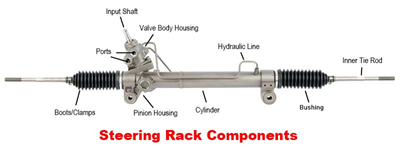
A steering rack is the heart of a vehicle’s steering system, converting the rotational movement of the steering wheel into linear motion to turn the wheels. For B2B buyers, understanding the components helps ensure the parts purchased meet both performance and safety standards.
For more on the basics, see What is a steering rack.
Core Components of a Steering Rack
| Component | Function | Key Quality Points |
|---|---|---|
| Rack | Converts steering wheel rotation into linear motion | High-strength steel, Material Grade: 45# Steel or 40Cr, Precision Machining, Induction Hardening (IH) |
| Pinion | Engages with the rack for steering control | High precision, Wear-resistant, Heat-treated steel |
| Steering Shaft | Connects the steering wheel to the pinion | High rigidity, Stable, Anti-corrosion coating |
| Hydraulic Cylinder / Electric Assist | Provides steering assistance | Standardized pressure, Reliable motor, OE-quality |
| Boots & Seals | Protects against dust and leaks | Durable CR (Chloroprene Rubber) / NBR, High/Low-temperature resistance, Tear-resistant |
| Mounting Brackets | Secures the rack in place | High rigidity, Anti-loosening |
| Tie Rods & Tie Rod Ends | Connects the rack to the steering knuckles | Torque performance, Anti-corrosion coating, Long service life |
💡 Pro Tip for B2B Buyers: When evaluating suppliers, check the material grade, heat treatment, and durability of these components. At GDST Auto Parts, we provide factory-direct solutions with OE-quality materials and full customization for both parts and packaging.
How These Parts Work Together
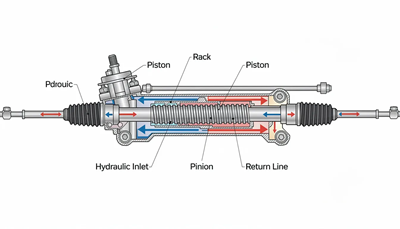
Understanding how each part interacts helps you diagnose which component fails first.
- Driver turns the steering wheel →
- Pinion gear rotates →
- Rack bar moves linearly →
- Inner tie rods push/pull →
- Outer tie rod ends steer the wheels.
In hydraulic racks, the valve body directs pressurized fluid to assist movement.
In electric racks, a torque sensor + motor assist.
🔧 For a step‑by‑step mechanical explanation with diagrams:
👉 How does a steering rack work
How Each Component Affects Performance and Longevity
Achieving long-term steering rack reliability requires a strict focus on the individual components that form the assembly.
- Rack and Pinion Precision: Flaws in gear cutting cause uneven steering resistance and accelerated wear. Utilizing heavy-duty 40Cr or 45# steel treated with induction hardening ensures the gear teeth maintain precise engagement over hundreds of thousands of cycles.
- Pressure-resistant boots and seals: To protect the internal hydraulic system, heavy-duty CR/NBR materials are required. These materials can withstand extreme temperature fluctuations without cracking or leaking hydraulic fluid.
- Heavy-Duty Tie Rods: Because tie rod ends are high-frequency wear items, selecting components with superior torque capabilities and advanced rust-resistant coatings is critical to enhancing vehicle safety and reducing client warranty claims.
For a closer look at the mechanics, review our professional guides to learn about commercial lifespans in [how long does a steering rack last].
Hydraulic vs Electric Steering Rack Components
Steering racks can feature either hydraulic or electric assistance, each with unique characteristics and applications. Here’s a quick comparison for B2B buyers evaluating different options:
| Feature | Hydraulic | Electric |
|---|---|---|
| Assist Type | Fluid pressure | Electric motor |
| Maintenance | Medium | Low |
| Lifespan | 8–10 years | 10–12 years |
| Cost | Moderate | Slightly higher |
Hydraulic systems are known for smooth, consistent assistance, while electric systems offer energy efficiency and lower maintenance. Whether sourcing hydraulic or electric racks, ensure the supplier provides OE-quality parts, material certifications, and rigorous testing.
Learn more about both types in our detailed article: Hydraulic vs Electric Steering Rack.
When to Stock Which Parts
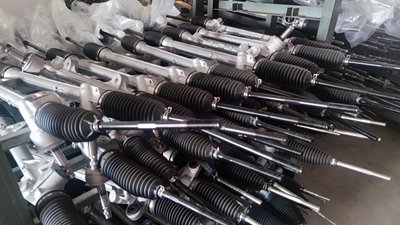
For B2B buyers (distributors, workshops, fleets), stocking the right steering rack components reduces downtime and improves margin.
Smart inventory strategy:
- Complete racks – Best for fast‑moving vehicle models (Toyota, Honda, VW, Ford).
- Component kits – Rack + inner tie rods + boots – ideal for workshops that rebuild racks.
- Individual high‑wear parts – Boots and tie rod ends have the fastest turnover.
🛠️ Before you order, understand the full replacement workflow:
👉 How to replace the steering rack – this helps you advise your own customers.
✅ B2B bulk offer
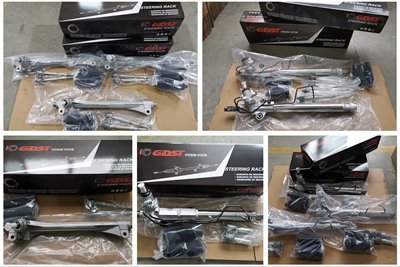
“We provide ready-to-install steering rack kits (including steering rack, tie rods, bushings, and bellows).
📦 Send your target vehicle list for a bulk quote – MOQ negotiable.”
How to Choose a Steering Rack Supplier
Selecting the right supplier is as important as choosing the right components. B2B buyers should evaluate suppliers based on quality standards, customization capabilities, lead times, and customer service.
| Factor | Why It Matters | GDST Advantage |
|---|---|---|
| Quality Standards | Ensures product durability and safety | Complies with international OE standards, Material Grade & Heat Treatment guaranteed |
| Customization | Meets unique business needs | Supports product & packaging customization |
| Lead Time | Minimizes delays and stock issues | 30-day production cycle, priority handling for urgent orders |
| Service | Reduces procurement headaches | 24/7 support, lifetime service |
💡 B2B Tip: Emphasize suppliers that provide material-grade transparency and detailed component specifications. If you have urgent orders, top suppliers like GDST can prioritize production, ensuring your supply chain remains uninterrupted. Learn more in How to Choose a Steering Rack Supplier.
Tips for B2B Buyers
Practical tips to make your steering rack procurement smoother:
- Verify Component Compatibility – Ensure parts fit specific vehicle models and meet international standards.
- Check Certifications & Material Specifications – High-value B2B purchases should include material grades, heat treatment, and testing certifications.
- Request Sample Testing – Test components before bulk orders to validate torque performance and durability.
- Understand Maintenance Needs – Knowing whether a rack is hydraulic or electric helps plan servicing and spare parts.
For hands-on maintenance insights, see How to replace steering rack.
💡 Conversion Tip: Highlight your supplier’s customization, material-grade transparency, and quality assurance to subtly encourage inquiries.
Summary
Understanding steering rack components and their roles is essential for B2B buyers seeking quality, reliable parts. By choosing a supplier like GDST Auto Parts—offering factory-direct OE-quality racks, detailed material specifications, customization, and 24/7 service—you can secure high-strength, durable products and optimize your procurement process.
💬 Action Prompt: Contact GDST today for tailored solutions and quotes for your steering rack components, and streamline your B2B purchasing with confidence.
FAQ – Steering Rack Parts and Components
Hydraulic steering racks use fluid pressure to assist steering, providing smooth control, while electric racks rely on an electric motor for assistance, offering lower maintenance and energy efficiency. Choosing the right type depends on vehicle application and procurement requirements.
Yes! Many suppliers, including GDST, support product and packaging customization. Custom options help B2B buyers meet specific market needs while maintaining high-quality standards and consistent delivery.
Standard production usually takes about 30 days. For urgent B2B orders, top suppliers can prioritize production to ensure timely delivery, helping maintain uninterrupted supply chains.
Look for suppliers with verified OE-quality standards, material-grade transparency, customization options, proven lead times, and responsive customer service. A professional supplier ensures high-strength, durable products and seamless B2B procurement.
Related Steering Rack Guides
To help you dive deeper into steering rack knowledge and make smarter B2B purchasing decisions, here’s a set of complementary guides:
- Steering Rack Price Guide (2026) – Understand current market pricing, factors affecting costs, and tips for negotiating bulk purchases.
- Hydraulic vs Electric Steering Rack – Compare different assist systems and choose the best option for your applications.
- Types of Steering Racks Explained – Understand different rack-and-pinion steering designs, including rack-and-pinion and recirculating ball types
- Steering Rack Problems – Recognize common issues, troubleshoot, and maintain to minimize downtime.
- How Long Does a Steering Rack Last – Insights into lifespan, durability factors, and replacement schedules.
💡 Pro Tip: By exploring these guides, you’ll gain a full understanding of steering rack technology, procurement best practices, and maintenance solutions, creating a strong foundation for smart B2B decisions.