
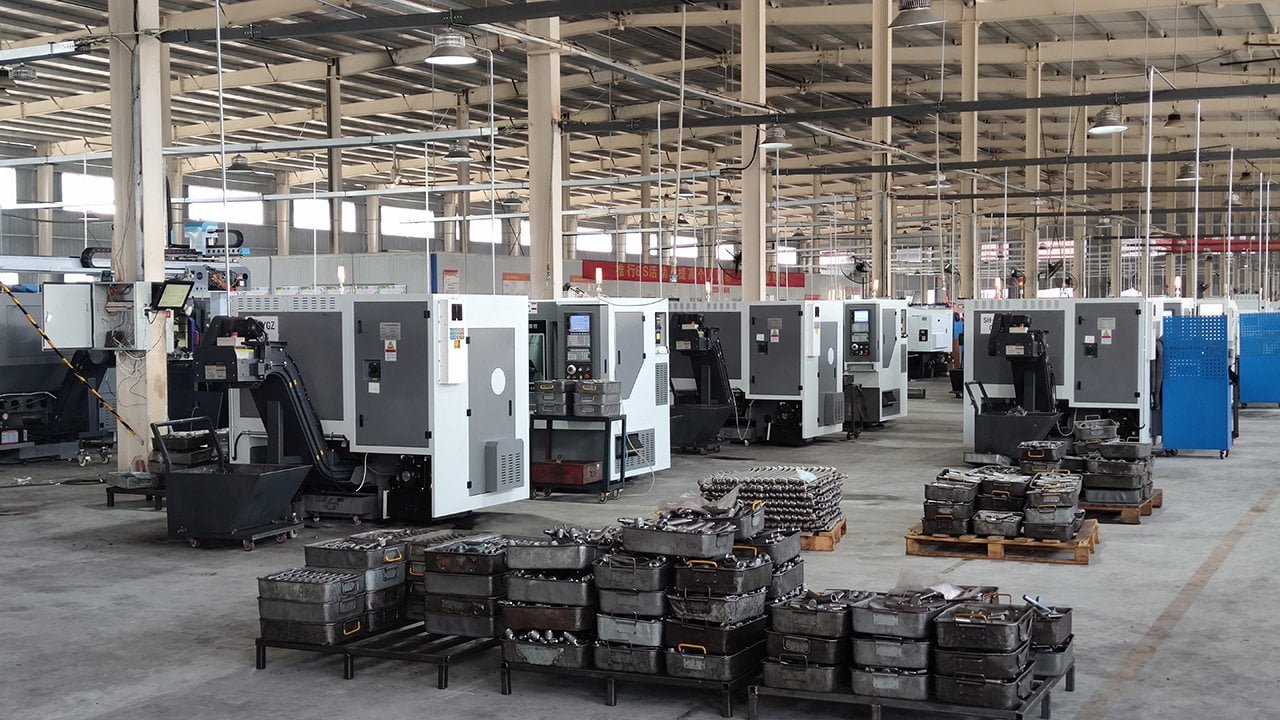
A high-quality steering rack is the product of an exact manufacturing sequence—spanning premium material selection, high-tolerance CNC machining, advanced heat treatment, and cleanroom assembly. In the B2B automotive aftermarket, adhering to these strict metallurgical and engineering standards is what separates reliable OE-quality components from low-tier alternatives that cause costly warranty claims.
By understanding the rigorous protocols from raw steel to the finished assembly, procurement managers can better vet their suppliers. Now, we’ll detail each critical stage of the production process to help you choose a top-tier manufacturing partner that works directly with factories.
Overview of Steering Rack Manufacturing Process
Producing a steering rack requires careful attention to material selection, precision machining, heat treatment, assembly, and testing. Before examining the factory floor, it is essential to identify whether a hydraulic or electric steering system matches your inventory needs: Hydraulic vs Electric Steering Rack.
Key Manufacturing Steps:
- Raw Material Preparation
- Machining of Rack and Pinion
- Heat Treatment & Hardening
- Assembly
- Quality Control & Testing
- Packaging & Delivery
Each step ensures components meet international OE standards, with precise tolerances that prevent premature wear and enhance vehicle performance.
Key Materials and Components
High-quality steering racks rely on durable materials and components that can withstand repeated mechanical stress.
| Component | Material | Key Properties |
|---|---|---|
| Rack | 45# Steel / 40Cr | Induction Hardening, High Precision |
| Pinion | Alloy Steel | Wear-resistant, Heat-treated |
| Tie Rods & Tie Rod Ends | Steel + Anti-corrosion coating | Torque Performance |
| Boots & Seals | CR / NBR | High/Low Temperature Resistant |
Suppliers who provide material transparency and OE-quality specifications ensure parts match specific vehicle models and market requirements.
Step-by-Step Manufacturing Process
Step 1: Raw Material Preparation
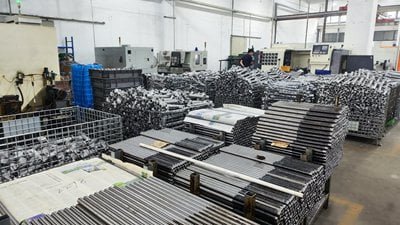
The foundation of an OE-quality steering rack relies entirely on the metallurgical grade. Professional manufacturing uses solid carbon steel (45# Steel) or premium chromium alloy steel (40Cr) to guarantee maximum tensile strength.
- Quality Control: Every batch of raw steel bars undergoes strict ultrasonic flaw detection to ensure zero internal micro-voids or impurities.
- The Shell: High-pressure A380 aluminum or ductile iron is sourced for the outer housing to create a lightweight yet crack-resistant structural shell.
Step 2: Machining the Rack Teeth and Pinion Gears
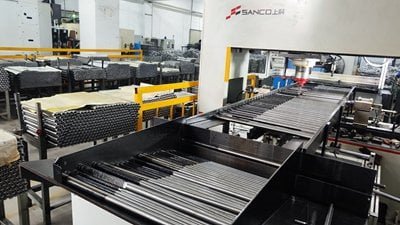
Once the raw materials pass inspection, they move directly to high-precision computer numerical control (CNC) machining centers.
- The Process: Advanced CNC gear-shaping machines mill the rack teeth and the helical pinion gear down to the micrometer.
- B2B Value: This micro-level precision ensures perfect gear engagement, eliminating steering dead zones and reducing directional play for the end-user.
Step 3: Advanced Heat Treatment (Induction Hardening)
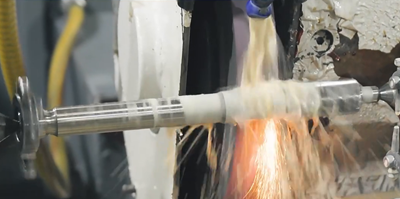
Raw machined steel cannot withstand millions of steering rotations without wearing down. Professional factories utilize localized Induction Hardening.
- The Process: Intense electromagnetic fields rapidly heat the gear teeth to 850–950°C, followed by immediate water quenching.
- The Result: The tooth surface achieves a hardness of 50–55 HRC, while the inner core remains ductile to absorb road shock without snapping under sudden driving impacts.
| Process | Purpose | Typical Temp/Time |
|---|---|---|
| Induction Hardening | Improve wear resistance | 850–950°C, 5–15 min |
| Tempering | Relieve stress, improve toughness | 180–220°C, 1–2 hr |
Step 4: Cleanroom Component Assembly
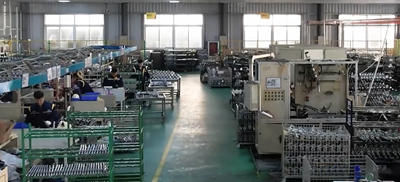
Machined and hardened components are assembled in controlled environments:
- Sealing Integrity: High-tier units deploy seals engineered exclusively from premium CR/NBR rubber to maintain absolute elasticity and eliminate fluid weeping across extreme high/low temperatures.
- Tie Rod Integration: High-torque articulating tie rods are threaded onto the ends and treated with specialized anti-corrosion zinc or phosphate coatings.
For a deeper technical understanding of how these assembled parts coordinate during operation, check out our comprehensive guides on how does a steering rack work and how long does a steering rack last.
Step 5: Quality Control & Testing
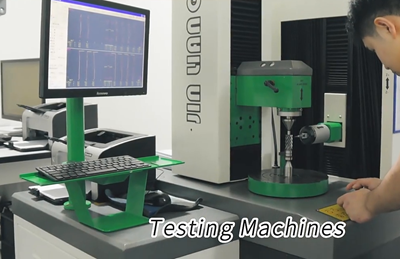
Every rack undergoes rigorous testing:
| Test | Purpose | Standard |
|---|---|---|
| Backlash Measurement | Ensure steering precision | ≤0.15mm |
| Torque Test | Ensure smooth steering | 3–7 Nm |
| Leak Test | Validate seals | ≤0.2% |
Step 6: Finishing & Heavy-Duty B2B Packaging
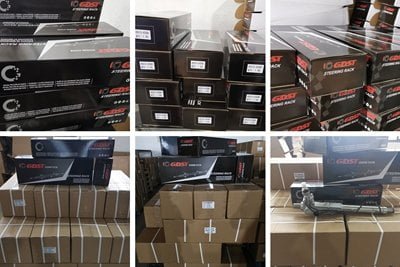
The final stage ensures the steering rack survives long-distance maritime transit and performs flawlessly across diverse geographical environments.
- Surface Defense: An electrostatically applied anti-corrosion coating prevents rust in high-moisture or winter-salted regions.
- Reinforced Packaging: Units are locked into custom-molded foam inserts inside multi-wall corrugated boxes, preventing transit damage and fully supporting custom private-label branding.
Manufacturing Standards & QC Checklist
| Manufacturing Step | Material / Technology Used | Passing B2B Standard | GDST Factory Advantage |
| Step 1: Material Prep | Solid 45# Steel / 40Cr Alloy | 100% flaw-free metallurgy | Certified High-Tensile Raw Materials |
| Step 2: CNC Machining | Micrometer Gear Milling | Perfect teeth engagement | OE-Matching Geometry Precision |
| Step 3: Hardening | Induction Hardening | Surface Hardness: 50-55 HRC | Zero Premature Tooth Wear |
| Step 4: Assembly | Premium CR / NBR Rubber | Dust-free cleanroom environment | High/Low-Temp Leak Protection |
| Step 5: QC Testing | Digital Torque & Pressure Rigs | 0% Fluid Leakage | 1-Year Warranty Guaranteed |
| Step 6: Packing | Anti-Rust Paint + Molded Foam | Multi-wall seaworthy box | Custom Branding & Box Design |
Customization (OEM/ODM) Capabilities in Steering Rack
For aftermarket vehicles or region-specific models, standard racks may not meet all requirements. Advanced manufacturers offer customization services:
How Customization Works
- Reverse Engineering / CAD Design: Build molds or designs based on specifications or existing vehicles
- Prototype Development: Validate part fit and quality before full production
- Green Channel for Urgent Orders: Priority handling for urgent requests
Production Timeline:
- Standard OEM/ODM production: 45-60 days
- Urgent orders via Green Channel: expedited workflow without compromising quality
“Looking for a tailored OEM solution or facing delivery delays? GDST offers a flexible 45-60-day lead time and custom packaging. Request an instant factory-direct quote today.”
Advantages of Factory-Direct Steering Rack Manufacturers
Choosing a factory-direct manufacturer provides multiple benefits for B2B buyers:
- Faster lead times (30-day production cycle)
- OE-quality materials and precise manufacturing
- Transparent sourcing and material traceability
- Customization and packaging options
- Lifetime service and 24/7 support
This approach reduces supply chain risk and ensures consistent, high-quality products reach distributors and end-customers reliably.
Summary
Understanding the steering rack manufacturing process allows B2B buyers to make smarter procurement decisions. By partnering with experienced manufacturers like GDST Auto Parts, buyers gain:
- OE-quality components
- Customization options for OEM/ODM needs
- Reliable production timelines and support
- Peace of mind in marketing product longevity to clients
Contact GDST Auto Parts today for tailored steering rack solutions and streamlined B2B procurement.
FAQ – Steering Rack Manufacturing
Fluid leaks are prevented by implementing two strict factory standards: utilizing premium-grade NBR or CR (Chloroprene) rubber for all internal oil seals to ensure thermal stability, and mandating a 100% high-pressure air and fluid testing protocol for every steering rack before it leaves the factory floor.
Standard production takes 45-60 days, with priority handling for urgent orders via the Green Channel.
Yes, through Reverse Engineering, CAD design, and prototype validation, manufacturers can produce OEM/ODM parts for niche or regional models.
Precision machining, induction hardening, assembly best practices, and rigorous testing (backlash, torque, leak tests) guarantee OE-quality.
Related Steering Rack Guides
For further reference and a complete content ecosystem:
- Steering Rack Price Guide (2026)
- Hydraulic vs Electric Steering Rack
- Types of Steering Racks Explained
- Steering Rack Problems
- How Long Does a Steering Rack Last