
Strut mounts may appear to be small suspension components, but they have a major impact on ride quality, steering stability, and long-term suspension performance. For wholesale buyers, importers, and aftermarket distributors, understanding strut mount lifespan is important for reducing warranty claims, maintaining product consistency, and improving customer satisfaction.
Most strut mounts typically last between 50,000 and 100,000 miles, depending on driving conditions, suspension design, rubber quality, and overall vehicle maintenance. OEM-grade strut mounts usually offer longer durability and lower warranty return rates than low-cost aftermarket alternatives. For wholesale buyers, selecting suppliers with stable quality control and reliable warranty policies is essential for reducing long-term aftermarket risks.
As competition in the automotive aftermarket industry continues to grow, durability and warranty performance have become key purchasing considerations for suspension component buyers.
Average Strut Mount Lifespan
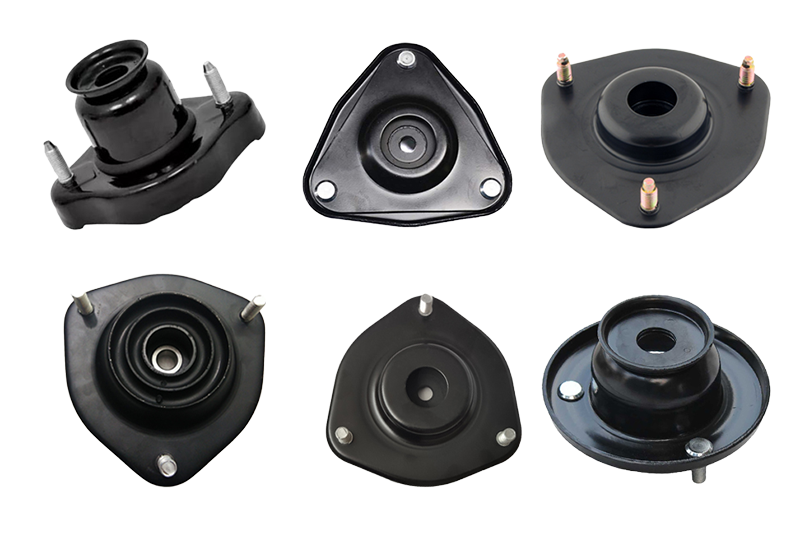
The lifespan of a strut mount can vary significantly depending on vehicle application and operating conditions.
Under normal driving environments, most suspension manufacturers estimate a service life of:
- 50,000 to 100,000 miles
- Around 80,000 to 160,000 kilometers
However, actual durability often depends on factors such as:
- Road quality
- Driving habits
- Climate conditions
- Suspension load
- Material quality
Vehicles frequently driven on rough roads or under heavy loads may experience earlier suspension wear.
For aftermarket distributors and suspension parts wholesalers, understanding expected lifespan helps reduce customer complaints and premature replacement issues.
What Affects Strut Mount Durability?
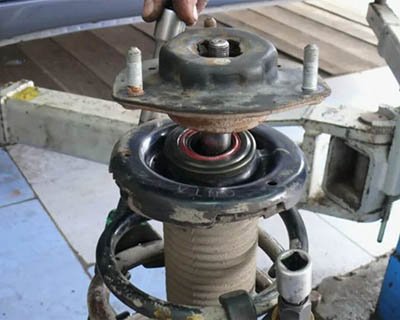
Several factors directly influence how long a strut mount lasts.
Road Conditions
Harsh driving environments place additional stress on suspension components.
Frequent exposure to:
- Potholes
- Uneven pavement
- Gravel roads
- Speed bumps
can accelerate rubber deterioration and internal bearing wear.
Commercial vehicles and fleet applications often experience faster suspension fatigue due to higher operating mileage.
Rubber Compound Quality
The rubber isolator inside the strut mount absorbs vibration and road impact.
Low-quality rubber materials may:
- Crack prematurely
- Harden over time
- Lose flexibility
- Separate under pressure
In many aftermarket warranty cases, poor rubber quality is one of the leading causes of early failure.
High-quality suspension manufacturers typically use advanced rubber compounds designed for improved heat resistance and long-term durability.
Bearing Performance
Many front strut mounts include integrated bearings that allow smooth steering movement.
If the bearing becomes contaminated or worn, drivers may experience:
- Steering noise
- Rough steering feel
- Increased vibration
- Suspension binding
Premium OEM-grade suppliers often perform additional bearing durability testing to improve long-term performance.
Driving Style
Aggressive driving habits may shorten suspension lifespan.
Frequent hard braking, high-speed cornering, and repeated impact from rough roads can increase stress throughout the suspension system.
Over time, these driving conditions may accelerate wear on both the strut mount and surrounding suspension components.
Why Low-Quality Strut Mounts Fail Early?
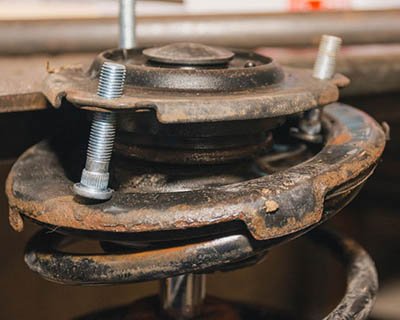
In the aftermarket suspension industry, product quality varies widely between manufacturers.
Low-cost strut mounts often use lower-grade materials to reduce production costs.
This may lead to problems such as:
- Premature rubber cracking
- Poor vibration isolation
- Bearing noise
- Fitment issues
- Reduced load capacity
As warranty claims increase, distributors may also face:
- Higher replacement costs
- Customer dissatisfaction
- Negative reviews
- Increased labor disputes
For this reason, many wholesale buyers focus on long-term product consistency instead of short-term pricing advantages.
Common Warranty Terms for Aftermarket Strut Mounts
Warranty coverage is one of the most important considerations for suspension parts buyers.
Most aftermarket suspension suppliers provide warranties ranging from:
- 12 months
- 24 months
- 30,000–50,000 miles
Warranty terms typically cover manufacturing defects and abnormal product failure under normal operating conditions.
However, most warranties do not include:
- Improper installation
- Racing use
- Collision damage
- Normal wear and tear
- Suspension modifications
Because warranty policies vary between manufacturers, wholesale buyers should review coverage details carefully before placing bulk orders.
What Wholesale Buyers Should Look for in a Strut Mount Supplier?
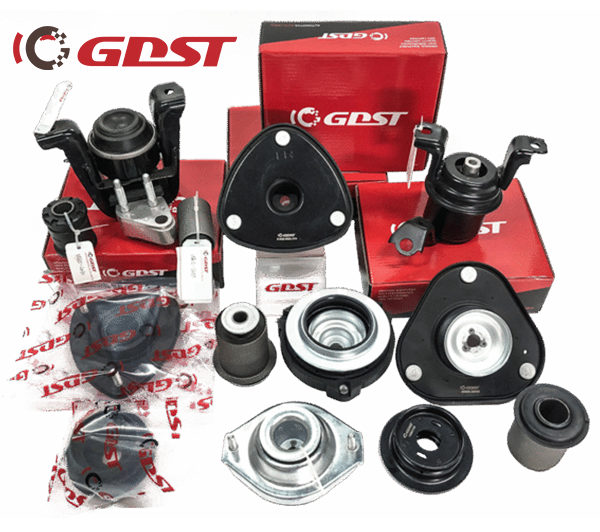
Selecting the right suspension parts supplier can significantly reduce long-term warranty risk.
Experienced buyers usually evaluate several important areas before establishing partnerships.
Quality Control Standards
Reliable manufacturers typically maintain strict production testing procedures.
These may include:
- Fatigue testing
- Load testing
- Salt spray testing
- Fitment verification
- Rubber hardness inspection
Suppliers with ISO-certified manufacturing systems often provide more stable product quality across large production batches.
Material Consistency
Consistent raw material quality is critical for suspension durability.
Wholesale buyers should ask suppliers about:
- Rubber compound specifications
- Steel grade standards
- Bearing suppliers
- Corrosion protection
Stable materials help reduce variation between production runs.
Warranty Claim Rate
Low warranty return rates are often a strong indicator of manufacturing consistency.
Professional suspension distributors may request:
- Claim history reports
- Product testing data
- Failure analysis documentation
before entering long-term supply agreements.
Packaging Standards
Improper packaging can damage suspension components during transportation.
Professional suppliers usually provide:
- Individual protective packaging
- Moisture protection
- Reinforced export cartons
- Clear product labeling
Strong packaging standards help reduce shipping-related warranty claims.
OEM vs Aftermarket Strut Mount Durability
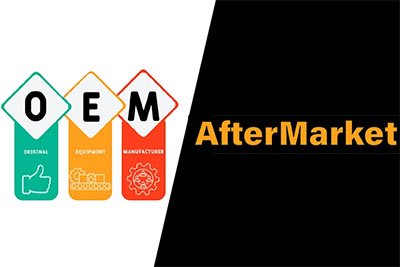
Many buyers compare OEM suspension parts with aftermarket alternatives before making purchasing decisions.
OEM strut mounts are designed according to original vehicle specifications, including:
- Rubber hardness
- Bearing performance
- NVH reduction
- Suspension geometry compatibility
High-quality aftermarket manufacturers may achieve similar performance when strict engineering and testing standards are followed.
However, low-end aftermarket products sometimes prioritize cost reduction over durability.
For distributors, balancing price competitiveness with long-term reliability is often the key challenge.
How to Reduce Suspension Warranty Claims?
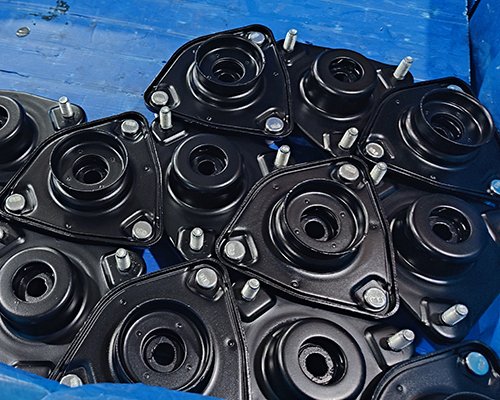
Reducing warranty returns requires more than selecting the lowest-cost supplier.
Successful aftermarket businesses often focus on:
- Stable supplier relationships
- Product consistency
- Technical support
- Quality inspection procedures
- Long-term durability testing
Many importers also perform sample testing before confirming container orders.
Field testing under real driving conditions can help identify potential durability issues before large-scale distribution begins.
Building partnerships with experienced suspension manufacturers is usually more effective than frequently changing suppliers based only on pricing.
Why Durability Matters in the Automotive Aftermarket?
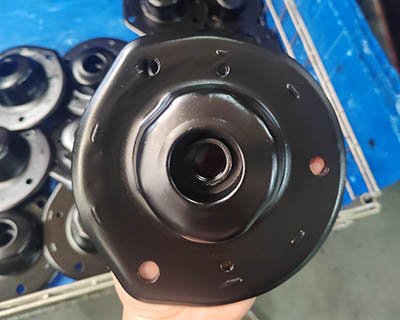
In today’s automotive aftermarket industry, buyers increasingly prioritize long-term reliability over short-term savings.
Poor-quality suspension parts may quickly lead to:
- Increased warranty claims
- Higher labor expenses
- Reduced customer trust
- Negative brand reputation
For wholesalers and distributors, durable suspension components help improve:
- Customer retention
- Business reputation
- Repeat orders
- Long-term profitability
As global aftermarket competition becomes more aggressive, warranty performance and supplier stability continue to play a larger role in purchasing decisions.
Recommend Topics
- What is a strut mount?
- Strut mount manufacturers in China
- Signs of a bad strut mount
- Cost of strut mount replacement
- How to replace the strut mount?
Final Thoughts
Although strut mounts are relatively small suspension components, their durability directly affects suspension performance, ride comfort, and steering stability. For wholesale buyers and aftermarket distributors, understanding strut mount lifespan, warranty coverage, and supplier quality standards is essential for reducing warranty risk and maintaining customer satisfaction.
Choosing a reliable suspension parts manufacturer with stable production quality and strong warranty support can provide long-term advantages in the competitive automotive aftermarket industry.