
Strange noises from the suspension, steering wheel shaking, or a rough ride over uneven roads can all point to suspension problems. In many cases, a failing strut mount is the hidden cause. Ignoring the issue may lead to poor handling, uneven tire wear, and reduced driving safety.
A strut mount connects the strut assembly to the vehicle’s body and helps absorb road vibration while supporting steering movement. Once the strut mount becomes damaged, the suspension system may no longer absorb road impact correctly. This can result in noise, steering instability, and faster tire wear. Repairing the issue generally includes removing the strut assembly and rechecking suspension alignment after the new part is installed.
Many drivers ignore suspension problems until the noise becomes severe. Below, we’ll explain how strut mount replacement works, the warning signs to watch for, and why professional suspension repair is recommended.
What Is a Strut Mount?
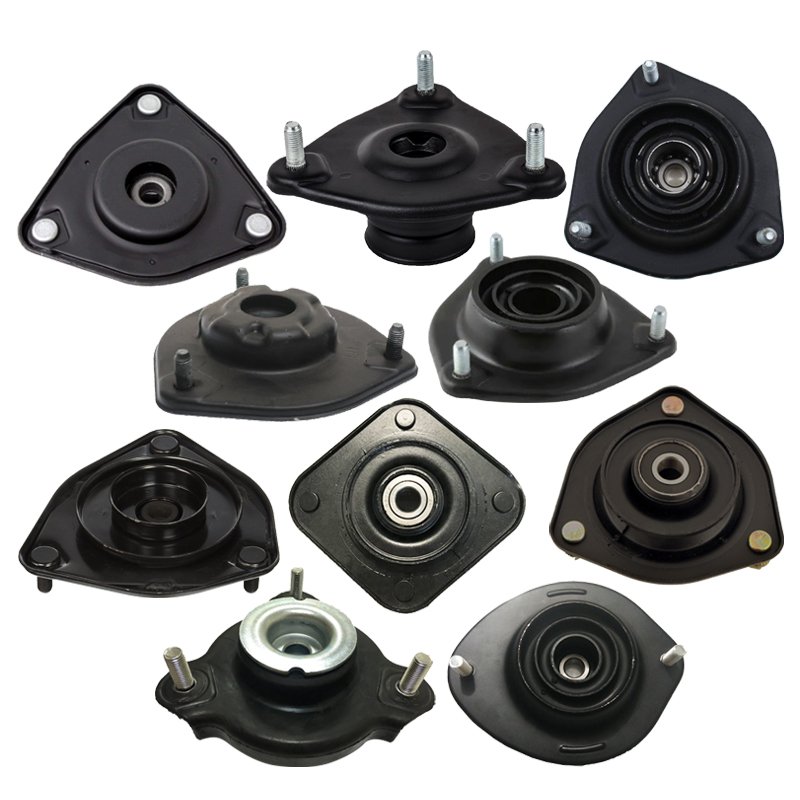
A strut mount is located at the top of the suspension strut and connects the suspension system to the vehicle chassis.
Its main functions include:
- Absorbing road vibration
- Reducing suspension noise
- Supporting smooth steering
- Stabilizing the front suspension system
We’ve also created a separate guide that explains the role of a strut mount in more detail: What Is a Strut Mount?
How Can You Tell If a Strut Mount Is Going Bad?
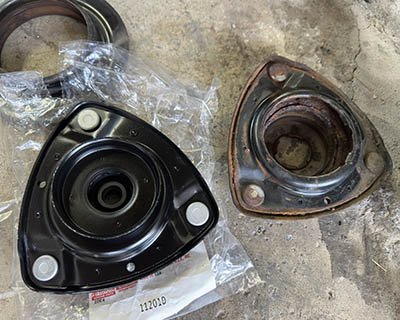
Many customers assume the shock absorber is the issue, but worn strut mounts are actually very common.
You may notice the following signs when a strut mount starts to fail:
- Clunking noises while turning
- Steering wheel vibration
- Uneven tire wear
- Loose or unstable handling
Ignoring these symptoms may lead to more serious suspension problems and affect safe driving.
Read our full guide here: Signs of a Bad Strut Mount
How to Replace a Strut Mount?
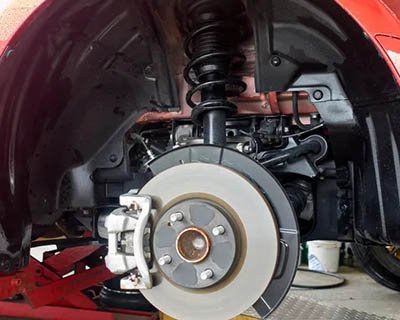
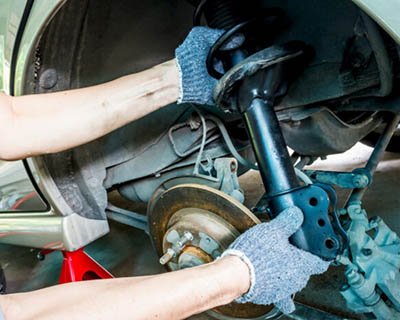
Strut mount replacement is more involved than many drivers expect because it requires disassembling the front suspension system.
Below is the standard process professional repair shops follow.
Step 1: Lift the Vehicle and Remove the Wheels
The technician will:
- Secure the vehicle on a lift
- Remove the front wheels
- Inspect suspension components
Additional suspension parts are usually checked at the same time, including:
- Sway bar links
- Control arms
- Shocks and struts
Step 2: Remove the Strut Assembly
The repair process continues by disconnecting:
- Brake line brackets
- Stabilizer links
- Strut mounting bolts
The complete strut assembly is then removed from the vehicle.
Step 3: Compress the Coil Spring
This is the most dangerous part of the repair.
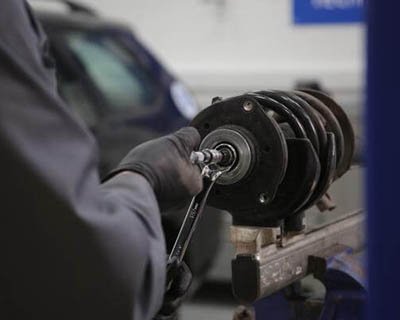
A professional spring compressor tool is used to safely compress the suspension spring before removing the strut mount.
Improper DIY handling can cause serious injury.
Step 4: Install the New Strut Mount
The old mount is removed and replaced with a new:
- Strut mount
- Bearing plate (if needed)
- Rubber isolator
If the shocks or struts show wear, replacement is often recommended at the same time.
Step 5: Reinstall the Suspension Components
After replacement, the suspension assembly is reinstalled, and all hardware is torqued to manufacturer specifications.
The technician will verify that all suspension connections are secure.
Step 6: Perform a Wheel Alignment
A wheel alignment is highly recommended after any front suspension repair.
Replacing a strut mount can slightly change suspension angles, which may cause:
- Steering wheel off-center
- Uneven tire wear
- Poor handling
Proper alignment restores vehicle stability and tire performance.
Here is a YouTube video that teaches you how to replace a strut mount in detail.
How Long Does Strut Mount Replacement Take?
Most vehicles require:
- 1–2 hours per side
- 2–4 hours for both front mounts
Repair time depends on:
- Vehicle type
- Rust conditions
- Suspension design
Some European vehicles may require additional labor.
How Much Does Strut Mount Replacement Cost?
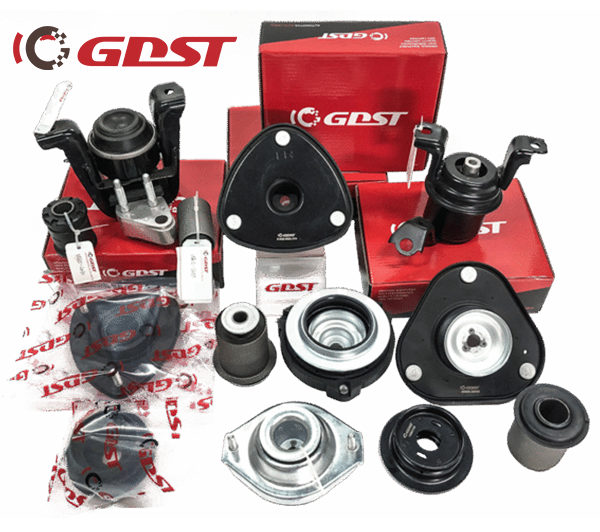
Strut mount replacement cost depends on several factors, including:
- Vehicle make and model
- Labor rates
- Suspension condition
- Whether shocks or struts also need replacement
Because pricing can vary significantly, we created a detailed breakdown covering labor, parts, and additional suspension repairs.
Read more here: Strut Mount Replacement Cost Guide
Should You Replace Struts at the Same Time?
In many cases, yes.
If your vehicle already has:
- High mileage
- Leaking shocks
- Excessive bouncing
- Poor ride quality
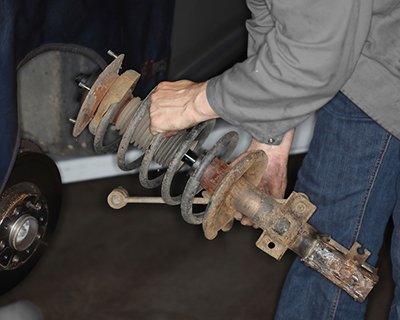
It may be more cost-effective to replace the entire strut assembly at once.
This can help:
- Save future labor costs
- Improve ride comfort
- Restore suspension performance
Can You Replace a Strut Mount Yourself?
Technically, yes.
However, DIY strut mount replacement requires:
- Specialized tools
- Suspension repair experience
- A spring compressor
- Alignment equipment
Because compressed springs can be dangerous, many drivers choose professional suspension repair instead.
Can I Drive with a Bad Strut Mount?

It is not advisable to continue driving with a worn or damaged strut mount.
A failing suspension system can affect:
- Steering stability
- Braking performance
- Tire traction
- Emergency handling
If you notice:
- Suspension clunking noises
- Steering wheel vibration
- Front suspension instability
It’s advisable to have the suspension system inspected promptly to avoid further issues.
Why Choose a Professional Suspension Repair Shop?
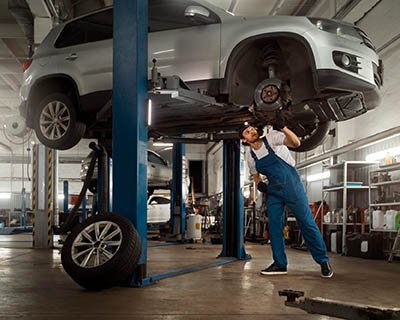
Professional repair shops do more than replace parts.
A complete suspension inspection helps identify hidden problems before they become more expensive repairs.
Technicians may also inspect:
- Control arms
- Tie rods
- Sway bar links
- Shocks and struts
- Steering components
This helps maintain proper suspension performance and overall driving safety.
Signs You Should Schedule a Suspension Inspection
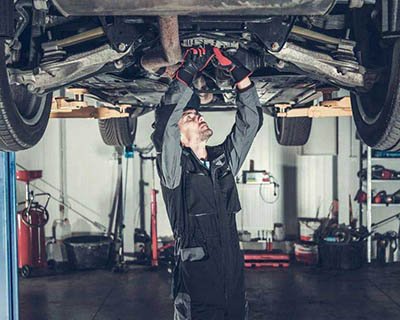
You should have your suspension system checked if you notice:
- Clunking noises over bumps
- Vehicle pulling while driving
- Uneven tire wear
- Steering wheel shaking
- Loose steering feel
- Excessive body roll
Early suspension repair can prevent more costly damage later.
Final Thoughts
Although the strut mount is a relatively small suspension component, it plays a major role in ride comfort, steering stability, and driving safety. If your vehicle is showing signs of suspension problems, professional inspection and repair can help prevent larger issues and restore safe handling.
If you’re looking for professional suspension repair or strut mount replacement services, contact our shop today to schedule an inspection.