If your steering rack fails, you lose control over your vehicle’s steering, which can lead to serious accidents. A failed steering rack compromises safety—making it difficult or impossible to steer the vehicle, especially during emergency maneuvers. Delaying repairs can also cause damage to other vehicle components, resulting in higher repair costs and longer downtime.
What Happens When a Steering Rack Fails

Immediate Symptoms of Steering Rack Failure
A few clear symptoms usually signal the failure of a steering rack:
- Difficulty Turning the Wheel: The steering wheel becomes harder to turn, or the car feels unresponsive.
- Fluid Leaks: Steering fluid may leak from the rack, often leaving noticeable spots or puddles beneath the car.
- Unusual Noises: Grinding, whining, or clunking sounds while turning the wheel often indicate internal damage to the steering rack.
Potential Risks
- Loss of Steering Control: At high speeds, a sudden failure could result in a complete loss of steering control, posing a significant safety risk.
- Accidents and Collisions: A malfunctioning steering rack makes it difficult to steer the car in emergencies, increasing the likelihood of an accident.
Pro Tip: If you hear strange noises or find fluid under your car, don’t delay. A damaged steering rack will continue to degrade, making repairs more expensive in the future. For more on diagnosing steering issues, see Steering Rack Problems.
How Steering Rack Failure Affects Vehicle Performance
Impact on Vehicle Handling
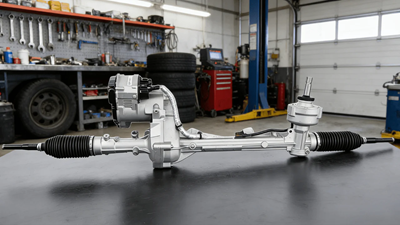
When the steering rack malfunctions, it directly affects the vehicle’s alignment and handling performance. The steering wheel may feel “loose” or unresponsive, and steering becomes more difficult.
- Decreased Steering Responsiveness: The car may not respond quickly to steering inputs, making it dangerous to drive, particularly at higher speeds or in tight turns.
- Unstable Vehicle Control: Handling becomes less predictable, increasing the risk of losing control during sudden maneuvers.
Alignment and Tire Wear
A damaged rack can also affect alignment geometry, leading to uneven tire wear. Misaligned tires cause additional strain on the vehicle’s suspension system, which may require costly repairs in the long run.
B2B Tip: Offering full assembly replacements instead of individual part repairs can prevent further damage to the vehicle’s suspension system. GDST’s complete steering rack assemblies come with 100% dynamic bench testing, ensuring reliable performance and lower warranty claims for wholesalers.
Common Symptoms of Steering Rack Failure
| Symptom | Potential Cause | Severity | Risk Level | Financial Impact |
|---|---|---|---|---|
| Hard to Turn the Wheel | Worn-out pinion gears or seals | High | Critical | High Repair Costs |
| Steering Fluid Leaks | Failed seals or damaged hoses | Medium | Moderate | Medium Repair Costs |
| Unusual Noises | Damaged internal components | Low | Moderate | Moderate Repair Costs |
| Pulling to One Side | Misaligned or damaged steering rack | High | Critical | High Repair Costs |
| Steering Wheel Vibrations | Worn-out gears or rack components | Medium | Moderate | Moderate Repair Costs |
B2B Insight: Early detection and full assembly replacement can save your clients from facing higher repair costs down the line. GDST’s steering racks are designed to minimize long-term repair expenses due to the durability of our high-strength steel and OE-quality seals.
How to Diagnose Steering Rack Failure
Step-by-Step Diagnosis
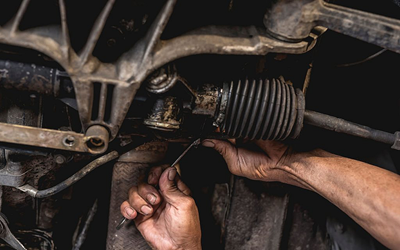
- Visual Inspection: Inspect the steering rack for leaks or visible damage to the seals and hoses.
- Turning Resistance Test: Try turning the wheel while the car is stationary. If the wheel is hard to turn, this is a clear indicator of internal rack wear.
Advanced Techniques for Professionals
- Pinion Gear Wear: Check for signs of wear on the pinion gear. If it’s worn or damaged, it may cause irregular steering input.
- Internal Seal Bypass: Inspect for bypassing internal seals, which can cause a loss of hydraulic pressure, leading to a lack of steering assistance.
Pro Tip: A simple pry bar test can help check for excess play in the rack, especially in cases of internal seal bypass. This technique is vital for professionals who want to quickly assess rack condition without disassembly.
For more on how steering racks function, see our article on How Does a Steering Rack Work.
What Should You Do If Your Steering Rack Fails
Short-Term Action
- If your steering rack fails, stop driving the vehicle immediately. Continuing to drive with a damaged steering rack is not only unsafe but will likely cause more damage to other components, leading to even higher repair costs.
Repair vs. Replacement
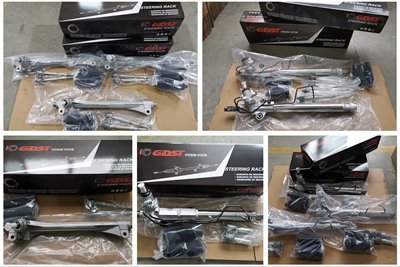
- While repairing individual components of the steering rack might seem cheaper, it often leads to higher labor costs and frequent follow-ups. Replacing the entire steering rack assembly is usually more cost-effective, reducing both labor time and long-term maintenance.
B2B Tip: GDST offers complete steering rack assemblies that are easier to install, reducing labor costs by up to 50% compared to repairing individual components. Our assemblies are tested to OE standards, which means fewer warranty claims for your business.
For more on the cost of replacement, refer to our Steering Rack Price Guide (2026).
Preventing Steering Rack Failure
Regular Maintenance
- Check Steering Fluid Levels: Ensure that the steering fluid is at the proper level. Low fluid can cause premature wear on the rack.
- Inspect for Leaks: Even minor leaks should be addressed before they cause bigger problems. Look for any signs of fluid around the rack and steering components.
Monitor Steering Performance
- Regularly check for any changes in steering performance. If the steering wheel becomes difficult to turn or starts making noise, it could be an early indicator that the rack is beginning to fail.
Pro Tip: Scheduling regular check-ups for steering components helps avoid internal seal bypass and pinion gear wear, ultimately extending the life of your steering rack.
Want to know how long a steering rack lasts? Check out our post on How Long Does a Steering Rack Last.
FAQ
Signs include steering difficulty, fluid leaks, and strange noises. If you notice any of these symptoms, it’s crucial to have the rack inspected by a professional mechanic.
While some components may be repairable, replacing the entire steering rack is typically more cost-effective and safer. GDST provides complete OE-compliant assemblies to ensure long-lasting reliability.
Costs range from $500 to $2,000, depending on the vehicle make and whether you use OEM or aftermarket parts. To get a more precise cost, refer to our Steering Rack Price Guide (2026).
Typically, it takes 4 to 6 hours for a mechanic to replace a steering rack. GDST’s easy-to-install assemblies reduce labor time and help improve service efficiency.
Related Steering Rack Guides
For a more comprehensive understanding, explore our related guides:
- Steering Rack Price Guide (2026)
- Hydraulic vs Electric Steering Rack
- Manual vs Power Steering Rack
- Steering Rack Problems
- How Long Does a Steering Rack Last
These related articles will help you make more informed decisions about steering racks and provide the best solutions for your needs.
Conclusion
A failed steering rack is not just an inconvenience; it’s a safety hazard that requires immediate attention. GDST’s OE-quality steering racks come with a one-year warranty, are dynamically bench-tested, and guarantee lower warranty claims. For a reliable and cost-effective solution, contact GDST today for your steering rack needs.
Request a Quote for Steering Racks: Reach out to GDST for high-quality, cost-effective steering rack assemblies that meet OE standards and ensure long-lasting performance. Get your quote now.