
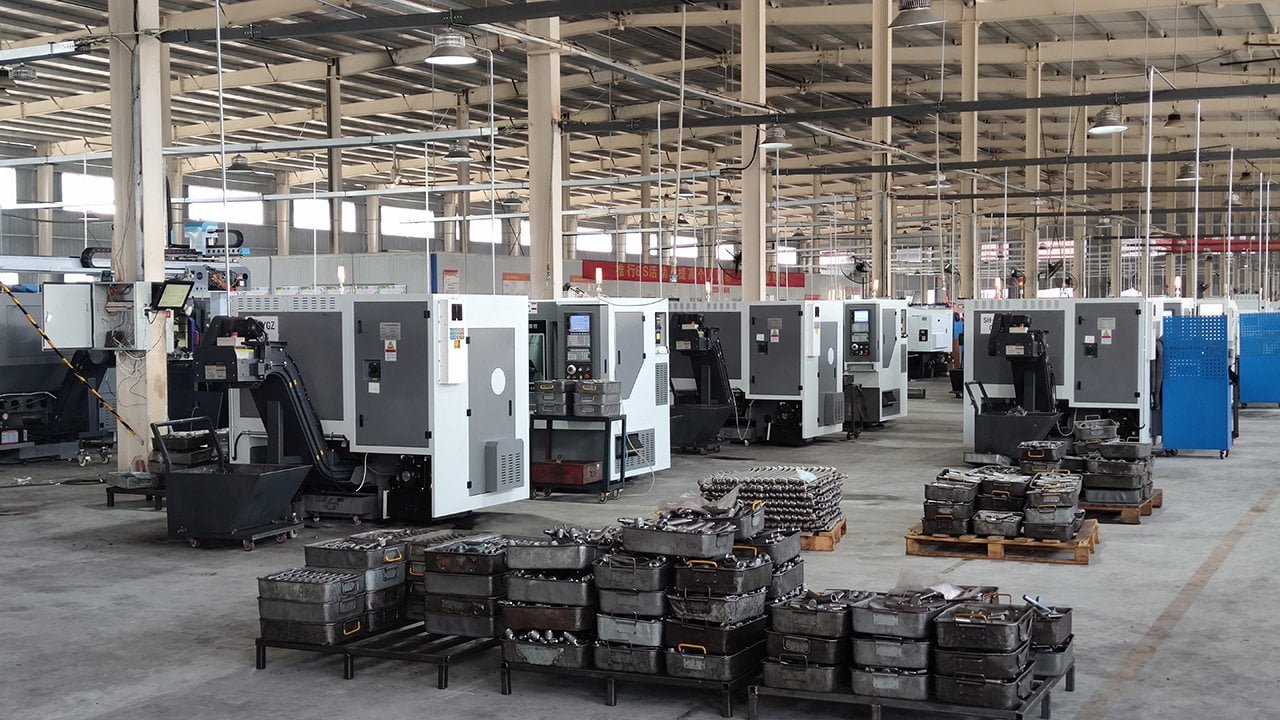
The cost of replacing a steering rack typically ranges from $500 to $2,000, depending on your vehicle’s make, model, and steering system type (hydraulic or electric). While you can attempt to repair individual components, replacing the complete assembly often proves more cost-effective, saving both time and labor costs by up to 50%. For B2B buyers, GDST Auto Parts offers high-quality, OEM-compliant steering racks with a one-year warranty and global delivery.
Factors Affecting Steering Rack Replacement Costs
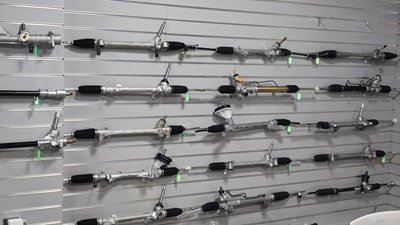
The price of a steering rack replacement can vary significantly based on several key factors, including vehicle type, labor costs, and the quality of parts used.
Vehicle Make and Model
Luxury vehicles or models requiring specialty parts often have higher replacement costs due to the need for harder-to-find components or advanced technology. For example, a replacement for a high-end European car may cost more than for a standard domestic model.
Hydraulic vs Electric Steering Racks
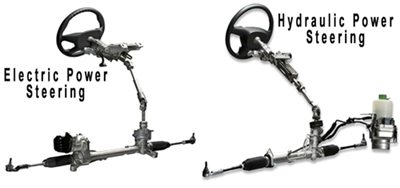
The type of steering rack also plays a significant role in determining the cost. Hydraulic steering racks are generally less expensive, ranging from $500 to $1,500, while electric steering racks can range from $1,200 to $2,000. Electric systems are more complex, using sensors and motors to assist steering, which increases their cost.
- Pro Tip: To determine whether a rack is hydraulic or electric, check the power steering fluid reservoir. Hydraulic systems use fluid, while electric systems don’t require fluid at all.
OEM vs Aftermarket Parts
OEM (Original Equipment Manufacturer) parts typically cost more than aftermarket components but offer better reliability and compliance with vehicle standards. GDST’s steering racks meet OE standards, offering the durability and precision you need for long-term vehicle performance.
Understanding Steering Rack Damage and Cost Implications
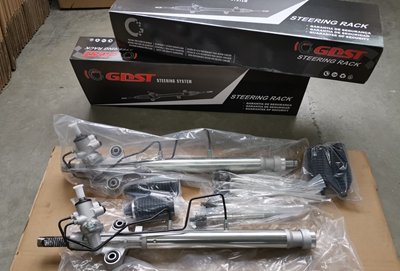
Physical Impact on Vehicle Alignment and Handling
The dynamic alignment geometry (DAG) of your vehicle can be compromised if the steering rack is worn or damaged. When a steering rack fails, it can lead to misalignment, causing uneven tire wear, poor handling, and a decrease in fuel efficiency. This not only affects the vehicle’s performance but can also increase repair costs if left untreated.
- Tech Tip: Look for “dry cracks” on the bushings and uneven wear on the tie rods to assess the wear on the steering rack. These are signs that the rack has undergone excessive stress and may soon fail.
How Damage Affects Your Vehicle’s Steering System
Steering racks contain several key components, such as high-strength steel gears and natural rubber seals. Over time, exposure to road conditions, weather, and fluid degradation causes these components to wear down. Natural rubber’s hardness is critical for maintaining seal integrity, and high-strength steel ensures the rack can handle high-stress loads without warping.
- B2B Advantage: GDST uses premium materials—including natural rubber and high-strength steel—to ensure longevity and reliability in every steering rack. This attention to quality results in fewer customer complaints and lower return rates, improving your bottom line.
For insights on the importance of material quality in steering racks, read our article on What is a Steering Rack
and learn more about the components that make up this vital part of your vehicle.
Cost Comparison: Hydraulic vs Electric Steering Racks
| Steering Rack Type | Average Cost Range | Benefits | Drawbacks | Risk Level |
|---|---|---|---|---|
| Hydraulic Steering Rack | $500 – $1,500 | Proven technology, lower cost | Requires maintenance, heavier | Moderate |
| Electric Steering Rack | $1,200 – $2,000 | Lighter, fuel-efficient, modern tech | Higher initial cost, complex system | High |
- B2B Tip: If you’re looking for cost-effective options for customers, hydraulic racks provide reliable performance at a lower price point. For customers seeking cutting-edge technology, electric racks offer better fuel efficiency but come at a higher cost.
Interested in how these systems compare in detail? Check out our post on Hydraulic vs Electric Steering Rack.
Why Replacing the Complete Assembly is More Cost-Effective
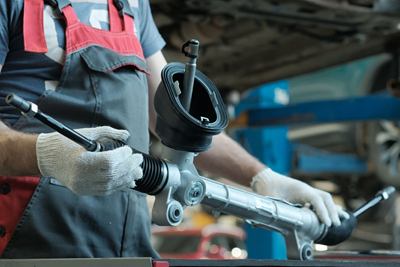
In many cases, replacing the entire steering rack assembly rather than repairing individual components can save you significant time and money. Here’s why:
Time-Saving
Replacing just the damaged component often requires disassembling multiple parts, leading to more labor-intensive repairs. Replacing the entire assembly streamlines the process, cutting labor time by up to 50%.
Reduced Return Rates
High-quality, complete assemblies like those from GDST Auto Parts come pre-tested, ensuring lower chances of failure and fewer customer complaints. This results in less warranty work and reduces the cost of expensive follow-up repairs.
Request a Quote: Contact GDST today for affordable, high-quality, complete steering rack assemblies that offer OE-quality performance with a 1-year warranty.
Diagnosing Steering Rack Problems: A Step-by-Step Guide
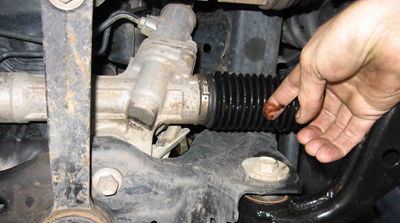
Signs of Steering Rack Failure
- Difficulty turning the wheel: This can indicate internal wear.
- Fluid leaks: Often caused by worn seals or hoses.
- Steering wheel noise: Grinding or whining noises when turning may point to rack damage.
Advanced Diagnostic Techniques
- “Prying test”: Using a pry bar to check for looseness in the rack can reveal worn internal components.
- Bushing wear inspection: Examine for dry cracking or unusual deformation in rubber bushings that can indicate excess stress on the steering system.
B2B Insight: Offering steering rack diagnosis kits or tools for technicians can increase service speed and accuracy. GDST can provide these solutions, helping you improve customer service while saving on long-term repair costs.
To learn more about the lifespan of steering racks, see our article on How Long Does a Steering Rack Last.
Related Steering Rack Guides
Explore Related Articles:
Provide links to other relevant articles for a more comprehensive understanding of steering and suspension systems.
- Steering Rack Price Guide (2026)
- Hydraulic vs Electric Steering Rack
- Manual vs Power Steering Rack
- Steering Rack Problems
- How Long Does a Steering Rack Last
Conclusion
Replacing a steering rack is a necessary investment to keep your vehicle safe and performing at its best. Understanding the costs, options, and diagnostic techniques can help you make an informed decision. GDST Auto Parts offers high-quality steering racks that meet OE standards, come with a 1-year warranty, and are available for global delivery.
Need a steering rack replacement? Get in touch with GDST today to request a custom quote tailored to your needs.
FAQ
Common signs include difficulty turning the wheel, unusual noises when steering, and fluid leaks. For a comprehensive guide, refer to our article on Steering Rack Problems.
Replacement costs typically range from $500 to $2,000. The price depends on factors like vehicle type, steering system (hydraulic vs electric), and labor costs. For more detailed pricing, check out our Steering Rack Price Guide (2026).
While some parts may be repairable (like worn seals), replacing the entire assembly is usually the more reliable solution. It saves time and reduces long-term costs. GDST offers high-quality OE-compliant steering racks that minimize future issues.
On average, a steering rack can last between 150,000 and 200,000 miles. Regular maintenance and early detection of issues can extend the lifespan. For more details, check out How Long Does a Steering Rack Last.
If you have the necessary skills and tools, you can attempt a DIY replacement. However, professional installation ensures that the job is done correctly and safely, preventing future issues. GDST offers easy-to-install, OE-compliant parts for both professionals and DIY enthusiasts.