Driving with a bad steering rack is a serious safety risk. A faulty steering rack can cause loss of steering control, which can lead to dangerous situations for both the driver and other road users. It’s important to recognize the signs of a bad steering rack and address the issue as soon as possible. If you’re unsure whether your steering rack is failing, this guide will help you understand the symptoms, risks, and what you should do.
What Happens When a Steering Rack Goes Bad
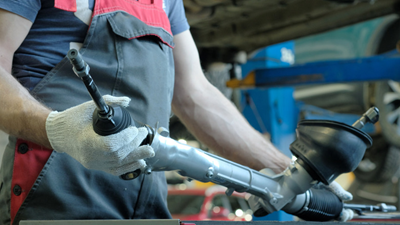
A steering rack plays a crucial role in your vehicle’s steering system, helping you control the direction of your car. Over time, wear and tear can cause the steering rack to fail. Here’s what can happen when your steering rack starts to go bad:
Symptoms of a Bad Steering Rack:
- Difficulty Turning the Wheel: The steering wheel may feel stiff or unresponsive, making it harder to turn the vehicle.
- Steering Wheel Freeplay or Looseness: You might notice that the steering wheel feels unusually loose or wobbly, which can be a sign of internal damage.
- Unusual Noises: A failing steering rack can cause clunking, grinding, or whining noises when you turn the wheel.
- Fluid Leaks: If hydraulic fluid is leaking from the steering rack, it’s usually a sign that seals have broken or worn out.
- Steering Dead Zones: If the wheel feels unresponsive at certain points, this is typically due to internal wear or damaged gears.
Risk Mapping Table:
Here’s a quick breakdown of symptoms, causes, and potential risks of driving with a bad steering rack.
| Symptom | Cause | Risk |
|---|---|---|
| Difficulty turning the wheel | Wear on rack components | Risk of sudden loss of steering control |
| Steering wheel feels loose or off-center | Failed inner seals (fluid leakage) | Steering instability, poor vehicle handling |
| Unusual noise while steering | Internal wear or damage | Can lead to complete steering failure |
| Fluid leaks near the steering rack | Deterioration of seals and hoses | Increased risk of power steering failure |
Can You Drive with a Bad Steering Rack
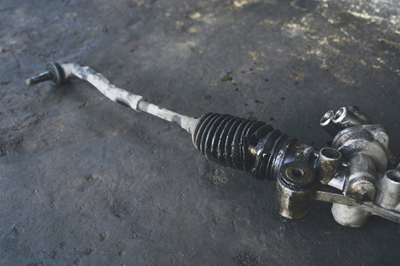
The answer is: Yes, you can drive with a bad steering rack, but it is not recommended. A faulty steering rack can seriously impact your vehicle’s handling, and driving with it can lead to a complete loss of steering control, which is extremely dangerous.
If you absolutely must drive with a bad steering rack (for example, if you can’t get to a mechanic immediately), make sure to:
- Drive slowly: Avoid making sharp turns or rapid lane changes.
- Maintain a safe distance: Keep a safe distance from other vehicles, as the handling may be unpredictable.
- Get it checked as soon as possible: Driving with a malfunctioning steering rack should only be temporary.
If you notice any signs of steering difficulty, it’s crucial to get your vehicle inspected immediately. A faulty steering rack will only worsen over time and can lead to costly repairs if ignored for too long.
For a complete step-by-step guide on how to replace your steering rack, check out our article on How to Replace a Steering Rack.
Why You Shouldn’t Ignore a Faulty Steering Rack

Ignoring a bad steering rack can lead to several problems, both for your safety and your wallet. Here’s why you shouldn’t delay repairs:
Long-Term Risks:
- Complete Steering Failure: If the problem worsens, you could lose all steering control, which is a major safety concern.
- Damage to Other Components: A bad steering rack can affect other parts of the steering system, leading to higher repair costs in the future.
- Increased Repair Costs: The longer you wait to fix it, the more expensive it will be to repair or replace. A small issue can become a much larger problem if left untreated.
Safety Concerns
Driving with a faulty steering rack is a significant safety hazard. If the steering system fails, you risk losing control of your vehicle, especially at high speeds or in heavy traffic. This loss of control can easily lead to serious accidents or collisions. Additionally, delaying the repair of a bad steering rack often causes further damage to other parts of the steering system, leading to higher repair costs down the line.
For more insight into the risks and consequences of a failing steering rack, check out our article on Steering Rack Problems.
How to Tell If Your Steering Rack Is Going Bad
Knowing the signs of a bad steering rack can help you act quickly before the problem gets worse. Here are the key symptoms to look for:
Common Signs of a Bad Steering Rack:
- Difficulty Turning: If your steering feels stiff or jerky, this could indicate internal wear or loss of hydraulic fluid.
- Unusual Noises: If you hear clunking or whining noises while steering, the steering rack may be damaged.
- Loose or Off-Center Steering Wheel: If your steering wheel feels loose or isn’t centered properly, it could be a sign of a malfunctioning steering rack.
- Fluid Leaks: Look for power steering fluid leaks near the steering rack. Leaking fluid can cause loss of steering assist, making it harder to control the vehicle.
Visual and Physical Checks:
- Check the ground under your vehicle for signs of fluid leaks.
- While driving, pay attention to any unusual feedback from the steering wheel, especially if you notice dead zones or delayed response when turning.
If you notice any of these symptoms, it’s essential to have your vehicle inspected by a professional mechanic as soon as possible. For more on the lifespan and maintenance of steering racks, refer to our article on How Long Does a Steering Rack Last?.
Repair vs. Replace: What’s the Best Option
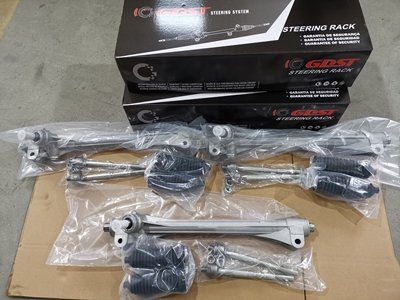
When your steering rack starts to fail, you may wonder whether you should repair it or replace it entirely. Here’s what you need to know:
Repairing the Steering Rack:
- In some cases, a steering rack can be repaired if the damage is minor, such as worn seals or fluid leaks. However, this is often only a temporary fix and may not resolve underlying issues.
Replacing the Steering Rack:
- If the steering rack is severely damaged, replacing it is usually the best option. GDST Auto Parts offers high-quality steering racks that are OE-compliant, durable, and cost-effective. Replacing your steering rack with a GDST part ensures that you get a reliable, long-lasting solution that will keep your vehicle running smoothly.
Why Choose GDST?
- OE-Quality Parts: GDST steering racks meet or exceed original equipment standards.
- Affordable: Competitive pricing for high-quality products.
- Low Return Rates: Our racks are built to last, with minimal returns and high customer satisfaction.
To learn more about steering rack repair vs. replacement, check out our article on Hydraulic vs Electric Steering Rack.
Cost of Replacing a Steering Rack
Replacing a steering rack is a significant investment, but it’s crucial for both your vehicle’s safety and overall performance. The following is a detailed explanation:
Cost Range:
- The cost to replace a steering rack can vary depending on your vehicle’s make and model, as well as the labor involved. Typically, the price ranges from $500 to $2,000, which includes both the parts and labor.
Factors That Influence the Price:
- Vehicle Make and Model: Certain vehicles may require specialized parts or more complex labor, which can drive up the cost.
- Labor Charges: Depending on how intricate the replacement process is, labor costs can fluctuate.
To get a more precise estimate, take a look at our Steering Rack Price Guide (2026) for up-to-date pricing details.
Related Steering Rack Guides
To learn more about steering and suspension systems, check out these related articles:
- Steering Rack Problems
- Steering Rack Price Guide (2026)
- Hydraulic vs Electric Steering Rack
- Manual vs Power Steering Rack
- How Long Does a Steering Rack Last
Conclusion
In conclusion, driving with a bad steering rack is unsafe and should not be ignored. A faulty steering rack can lead to loss of steering control, increased repair costs, and even accidents. If you notice any symptoms of a failing steering rack, it’s essential to have it inspected and repaired or replaced as soon as possible.
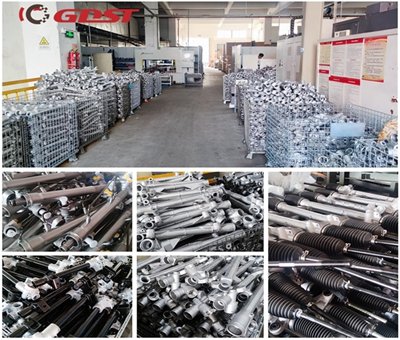
For high-quality, OE-compliant steering racks at competitive prices, Request a Quote for OE-Quality Steering Racks from GDST today.
Need a Replacement Steering Rack?
Contact GDST Auto Parts for affordable, durable, and high-performance steering racks that meet the highest standards.
FAQ
Steering racks can fail due to several factors, including wear and tear from normal use, lack of proper maintenance, fluid leaks, or damage to internal components. Poor alignment, driving on rough roads, or overloading the vehicle can also accelerate wear on the steering rack.
Replacing a steering rack is a complex task that requires specific mechanical knowledge and tools. If you’re experienced with car repairs, you may be able to do it yourself. However, for most people, it’s best to have the replacement done by a professional mechanic to ensure it’s done correctly and safely.
Check the power steering fluid regularly, keep your steering system aligned, and address leaks or unusual noises immediately. Properly maintaining your vehicle and driving it carefully can also help prevent premature wear.
Ignoring the signs of a failing steering rack can lead to more severe damage, including the complete failure of the steering system. This could make the vehicle unsafe to drive, potentially leading to accidents. It’s crucial to have any signs of trouble checked out and repaired immediately to avoid escalating issues.