
Do you need an alignment after replacing control arms? The short answer is yes. When you replace a control arm, your vehicle’s suspension geometry can change. This can affect the alignment of your wheels, causing issues with steering, tire wear, and overall vehicle handling. In this article, we’ll explain why wheel alignment is important after replacing a control arm, how to know when you need it, and what could happen if you skip this crucial step.
Why Is Alignment Important After Control Arm Replacement
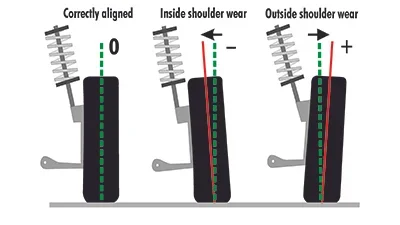
A control arm plays a crucial role in the suspension system of your vehicle. It connects the wheel to the vehicle’s frame, helping to maintain proper wheel alignment and ensuring smooth handling. When you replace a control arm, especially if it’s worn or damaged, the new part may not sit exactly like the old one. This can change the angles of the wheels, specifically the camber, toe, and caster angles, all of which affect how the tires make contact with the road.
The alignment is essentially how your wheels are positioned relative to the rest of the car. Misaligned wheels lead to uneven tire wear, poor handling, and can even cause your car to pull to one side. That’s why it’s essential to perform an alignment after installing a new control arm. It helps restore the correct wheel angles, ensuring that your vehicle handles smoothly and that your tires last longer.
What Happens if You Don’t Align After Control Arm Replacement

Skipping the alignment after control arm replacement can lead to several issues:
- Uneven Tire Wear: Without proper alignment, the tires will wear unevenly. This happens because the wheels are not making proper contact with the road, which can result in one part of the tire wearing down faster than others.
- Poor Handling: Misaligned wheels affect your vehicle’s handling. You may notice that the steering wheel shakes, pulls to one side, or feels “loose.” The car might not respond well to turns, making driving uncomfortable and potentially dangerous.
- Increased Fuel Consumption: When the wheels are misaligned, your car has to work harder to drive in a straight line. This can lead to higher fuel consumption, which is both costly and inefficient.
- Long-Term Suspension Damage: Over time, driving with misaligned wheels puts extra stress on other suspension components, potentially leading to premature wear and costly repairs down the road.
Symptoms That Indicate You Need Alignment After Control Arm Replacement
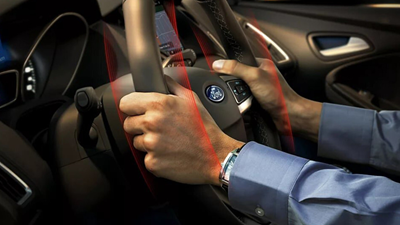
After replacing your control arm, if you notice any of the following symptoms, it’s a clear indication that you need a wheel alignment:
- Steering Wheel Vibration: If your steering wheel shakes or vibrates, this could be due to misaligned wheels.
- Pulling to One Side: If your car drifts to the left or right even when you’re driving straight, your wheels are likely out of alignment.
- Uneven Tire Wear: Inspect your tires. If they show more wear on one side, it’s often due to poor alignment.
- Steering Wheel Off-Center: If your steering wheel isn’t centered while driving straight, it’s another sign that the alignment is off.
Need to understand why your control arm is bad in the first place? Learn more in our article on Symptoms of a Bad Control Arm.
How to Perform a Wheel Alignment After Control Arm Replacement
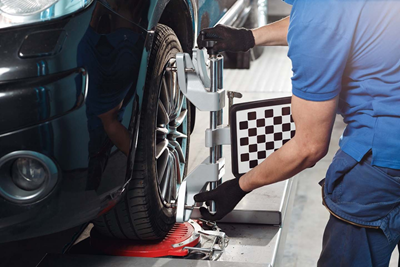
Performing a wheel alignment isn’t something most DIYers can do easily without the proper equipment. However, here’s an overview of what the process involves:
1. Check Control Arm Installation
Ensure that the new control arm is installed properly. If it’s not positioned correctly, the alignment won’t fix the issue. Double-check that all bolts are secure and the control arm is firmly attached to both the frame and the suspension.
2. Measure and Adjust the Angles
Alignment involves adjusting three primary angles:
- Camber: The tilt of the wheels relative to the ground. If the top of the wheel is tilted inward or outward, it can cause uneven tire wear.
- Toe: How much the tires point inward or outward when viewed from above. Incorrect toe angles can lead to rapid tire wear.
- Caster: The angle of the steering axis. A proper caster angle ensures good straight-line stability and smooth steering.
Alignment is typically performed with specialized tools that measure these angles. This is why most people go to a professional for this part.
3. Test Drive
Once the alignment adjustments are made, take the vehicle for a test drive. Check the steering feel and see if the car drives straight. If the steering wheel still pulls to one side or vibrates, the alignment might need further adjustment.
Alignment Before and After Control Arm Replacement
It’s essential to understand how alignment changes before and after replacing a control arm. A quick comparison between both stages can help highlight the importance of the alignment process:
| Aspect | Before Control Arm Replacement | After Control Arm Replacement |
|---|---|---|
| Camber Angle | May be within standard range | Can be misaligned, causing wear |
| Toe Angle | Proper toe settings for tire wear | May shift, leading to uneven wear |
| Caster Angle | Proper caster angle for stability | Can affect stability and handling |
| Tire Wear | Even wear on tires | Uneven or rapid tire wear without alignment |
| Steering Feel | Smooth and stable | Steering may pull or vibrate |
Tired of Suspension Issues?
At GDST, we offer high-precision control arms that ensure long-lasting performance and a smooth, vibration-free ride. Get factory-direct quality control arms with custom packaging and one-year warranty support.
How Much Does It Cost to Align After Control Arm Replacement
The cost of a wheel alignment after a control arm replacement typically ranges from $50 to $150. The price can vary depending on your vehicle’s make and model, as well as the repair shop you visit.
DIY vs. Professional Alignment
While DIY wheel alignment is possible with the right equipment, it can be tricky. Professional alignment services are equipped with advanced tools to measure and adjust the angles accurately, ensuring a precise result. It’s usually worth the cost to leave this task to the professionals.
If you’re curious about the cost of control arm replacement, check out our detailed guide on How Much Does Control Arm Replacement Cost?.
Related Control Arm Guides
- Function of a Control Arm in a Car
- Where Is the Control Arm Located?
- When Should You Replace a Control Arm?
- How Much Does Control Arm Replacement Cost?
- How to Replace a Control Arm?
- Lower Control Arm Replacement Cost
- Upper Control Arm Replacement Cost
Conclusion
Replacing a control arm is just the first step in ensuring your vehicle’s suspension is in top condition. However, it’s only truly effective when followed by a proper alignment. Aligning your vehicle after replacing a control arm ensures optimal handling, tire longevity, and a smooth driving experience. Neglecting this important step can lead to handling problems, uneven tire wear, and additional suspension wear over time.
If you’re looking for reliable, high-quality control arms that meet OE standards, GDST offers the best solutions. Our parts are built for durability and precision, ensuring your vehicle runs at its best.
Work with a Trusted Suspension Partner
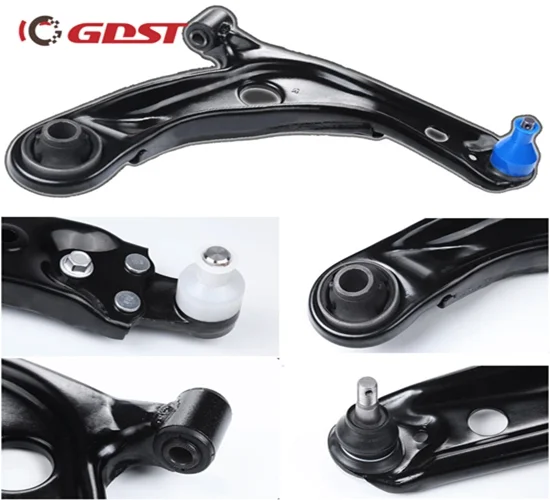
Looking for reliable control arm solutions or bulk orders? GDST provides factory-direct control arms with custom options and fast shipping. As your long-term partner, we are here to meet all your suspension needs with top-quality products and expert service.
Learn more about the functions, types, and importance of control arms in suspension systems. For a full guide on control arms, visit our Complete Control Arm Guide.
FAQ
Replacing a control arm can affect the angles of your wheels, like camber, toe, and caster. If these angles are off, it can cause uneven tire wear and poor handling. A wheel alignment ensures these angles are adjusted correctly.
While you technically can drive without an alignment, it’s not recommended. Misalignment can cause uneven tire wear, poor handling, and more damage to your suspension components over time.
Typically, a wheel alignment takes about 1–2 hours if done by a professional. For DIY, it could take a little longer depending on the tools you have and your experience.
The cost for an alignment typically ranges from $50 to $150, depending on your vehicle and where you go for the service.
While it’s possible to perform a wheel alignment yourself with the right tools, it’s generally recommended to have a professional do it. Proper alignment requires specialized equipment and precise measurements.