
Your car feels rough over bumps? Hearing clunking noises when turning or driving on uneven roads? Many drivers replace shocks or struts but ignore the strut mount, which is often the real problem. A worn strut mount can affect steering, suspension stability, tire wear, and overall driving safety.
A bad strut mount can cause clunking noise, steering vibration, uneven tire wear, poor handling, and suspension instability. Common signs include strut mount noise over bumps, noise when turning, and excessive movement in the suspension system. Replacing a worn strut mount early helps maintain ride comfort, wheel alignment, and driving safety.
In this guide, I’ll explain the most common signs of bad strut mount, what causes failure, and when replacement becomes necessary.
What Is a Strut Mount?
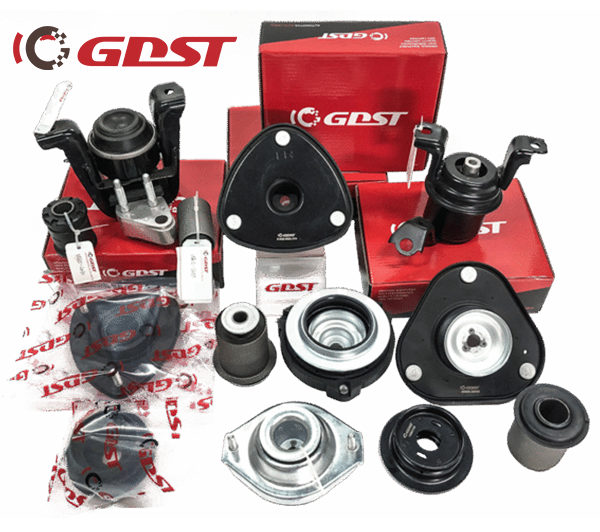
A strut mount is a key component of the vehicle suspension system. It connects the suspension strut assembly to the vehicle chassis while absorbing road shock and vibration.
In many front suspension systems, the strut mount also includes a strut bearing that allows smooth steering movement. Because of this, a failing suspension strut mount can directly impact ride comfort, steering response, and wheel alignment.
1. Clunking Noise Over Bumps
One of the most common signs of bad strut mount is a clunking or knocking sound when driving over bumps, potholes, or speed bumps.
This usually happens because the rubber inside the mount has worn out or cracked. Once the rubber deteriorates, metal components begin contacting each other directly.
Common bad strut mount sound symptoms include:
- Clunking noise over bumps
- Knocking sounds from the suspension
- Loose suspension feeling
- Noise during rough road driving
Drivers often mistake this issue for bad shocks or sway bar links.
2. Noise When Turning the Steering Wheel
Another common symptom is strut mount noise when turning.
If your vehicle uses a strut bearing inside the mount assembly, the bearing may wear out over time. When this happens, you may hear:
- Creaking noise
- Grinding sound
- Popping noise
- Clicking during steering
Bad strut bearing symptoms often become more noticeable at low speeds or during parking maneuvers.
In severe cases, steering may feel jerky or stiff because the suspension can no longer rotate smoothly.
3. Steering Wheel Vibration
A damaged strut mount may also cause steering wheel vibration.
Since the mount helps isolate road vibration, worn rubber bushings allow excessive vibration to transfer directly into the steering system.
Common symptoms include:
- Steering wheel shaking at highway speed
- Vibration during cornering
- Rough steering feel
- Reduced steering precision
This issue becomes worse if the strut mount bushing failure is ignored for a long time.
4. Uneven Tire Wear
Bad strut mounts can negatively affect wheel alignment.
When the mount shifts excessively, suspension geometry changes. This may cause uneven tire wear patterns such as:
- Inner tire wear
- Outer edge wear
- Cupping
- Feathering
Many mechanics perform wheel alignment after replacing a top strut mount because suspension positioning changes during repair.
Ignoring tire wear problems may shorten tire lifespan significantly.
5. Poor Handling and Stability
A failing suspension strut mount often reduces vehicle stability and handling performance.
You may notice:
- Increased body roll
- Reduced cornering stability
- Loose steering response
- Vehicle wandering
This happens because the strut mount can no longer properly stabilize suspension movement.
Poor handling becomes especially dangerous during emergency braking or high-speed driving.
6. Excessive Suspension Movement
A worn strut mount may allow excessive movement inside the suspension assembly.
Symptoms include:
- Excessive bouncing
- Suspension movement during braking
- Front-end instability
- Shaking over rough roads
In severe cases, drivers may even feel the suspension shifting under the hood area.
This problem often appears together with worn shocks or damaged struts.
7. Visible Cracks or Rubber Damage
Sometimes, the easiest way to diagnose a bad strut mount is through visual inspection.
Common visible signs include:
- Cracked rubber
- Separated mount components
- Rust damage
- Torn bushings
- Collapsed mount structure
If the center of the mount appears off-center, the strut mount may already be failing.
Mechanics usually recommend replacing the mount immediately once visible damage appears.
8. Alignment Problems After Suspension Repair
Some drivers replace struts but continue experiencing alignment issues afterward.
In many cases, the actual problem is the old strut mount.
A worn mount may prevent proper suspension positioning, causing:
- Vehicle pulling
- Crooked steering wheel
- Alignment instability
- Uneven suspension height
This is why many technicians recommend replacing struts and mounts together.
What Causes Strut Mount Failure?
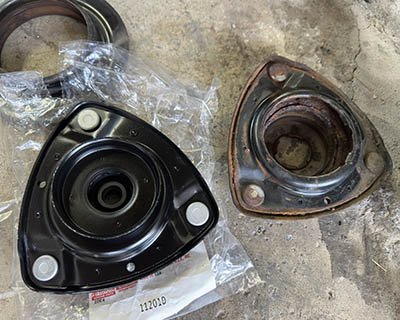
Several factors can cause strut mount failure over time.
Road Impact
Potholes, curbs, and rough roads place heavy stress on the suspension mount.
Rubber Aging
The rubber inside the mount naturally deteriorates with age and heat exposure.
Moisture and Corrosion
Water and road salt can damage metal components and bearings.
Worn Suspension Parts
Bad shocks and worn struts increase stress on the mount assembly.
Heavy Vehicle Loads
Overloading accelerates suspension wear.
How Long Can You Drive with a Bad Strut Mount?

Technically, you can still drive with a bad strut mount for a short period. However, it is not recommended.
Driving too long with a damaged mount may lead to:
- Unsafe handling
- Increased tire wear
- Suspension damage
- Steering instability
- Additional repair costs
If you hear persistent strut mount noise over bumps or during steering, inspection should happen as soon as possible.
Strut Mount Replacement Cost
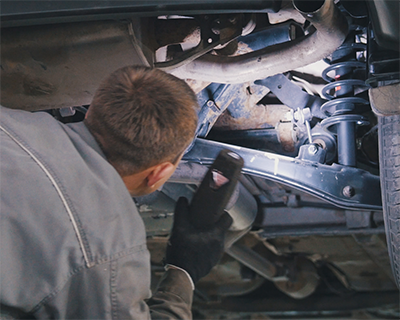
Strut mount replacement cost varies depending on vehicle type and labor rates.
Typical replacement costs:
| Repair Item | Estimated Cost |
|---|---|
| Strut Mount Part | $50 – $200 |
| Labor Cost | $150 – $400 |
| Full Strut Assembly Replacement | $300 – $1000+ |
Luxury vehicles and performance suspension systems usually cost more.
Should You Replace Struts and Mounts Together?
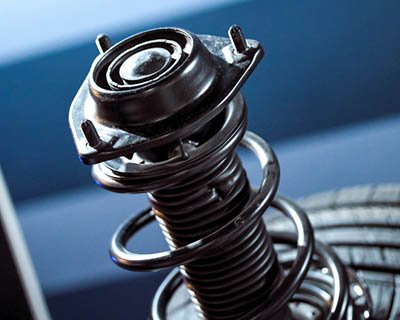
In most cases, yes.
Replacing struts without replacing worn mounts may shorten suspension lifespan and reduce ride quality.
Benefits of replacing both together include:
- Better ride comfort
- Improved steering response
- Reduced labor duplication
- Longer suspension life
- Better wheel alignment stability
Many aftermarket suppliers now offer complete strut assembly kits that include:
- Struts
- Coil springs
- Strut bearings
- Top mounts
This simplifies installation and saves labor time.
Final Thoughts
Bad strut mount symptoms should never be ignored. Clunking noises, steering vibration, uneven tire wear, and poor handling are all warning signs that your suspension system may need attention.
Early diagnosis and replacement can improve driving comfort, protect suspension components, and reduce long-term repair costs. For automotive parts businesses and repair shops, understanding these common symptoms also helps customers make faster and safer maintenance decisions.