Electric Steering Rack (EPS) is a modern steering system that uses an electric motor to assist the driver, offering lighter weight, higher energy efficiency, and more precise control compared to traditional hydraulic steering racks. Unlike hydraulic systems, EPS doesn’t rely on pumps or fluids, which reduces maintenance and simplifies vehicle design.
For B2B buyers, choosing the right EPS means focusing on key quality indicators such as torque accuracy, durability, compliance with international standards, and supplier reliability. At GDST, we provide OE-quality EPS with factory-direct pricing, custom product and packaging options, fast production in 30 days, and lifetime technical support—helping your business source steering systems confidently and efficiently.
This guide will walk you through everything you need to know about EPS, from technology and benefits to selection tips and practical applications, giving you a clear roadmap for sourcing high-quality steering racks for your business.
What is an Electric Steering Rack (EPS)?
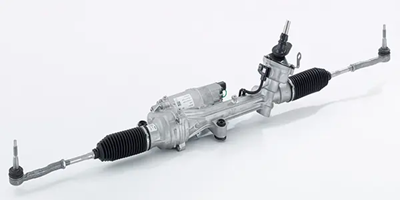
In simple terms, an EPS is a steering system powered by an electric motor rather than a hydraulic pump. Unlike traditional hydraulic steering racks, EPS is lighter, more energy-efficient, and easier to maintain.
For readers new to steering systems, you can check out What is a Steering Rack for a full breakdown.
EPS is widely used in passenger cars, SUVs, and commercial vehicles because it reduces engine load and improves fuel efficiency.
EPS vs Hydraulic Steering Rack Comparison
| Feature | EPS | Hydraulic Steering Rack |
|---|---|---|
| Power Source | Electric Motor | Hydraulic Pump |
| Efficiency | High | Medium |
| Maintenance | Low | Medium-High |
| Customization | Supported | Limited |
| Space Requirement | Compact | Bulky |
| Typical lifespan | 100,000 – 150,000 miles | 80,000 – 120,000 miles |
This comparison highlights why EPS dominates modern automotive designs that prioritize space and efficiency.
How Does an Electric Steering Rack Work?
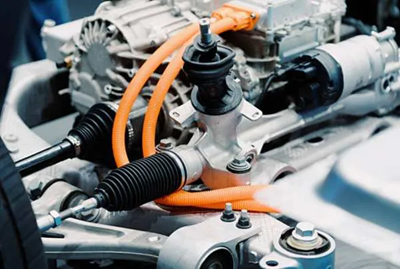
The operation of EPS is simpler than it sounds. Essentially, the driver turns the steering wheel, which moves the rack and pinion system. An electric motor provides assistive torque, while a control unit adjusts the level of assistance based on driving conditions such as speed and road type.
Flow of EPS System Components
| Component | Function |
|---|---|
| Steering Wheel | Sends driver input |
| Rack & Pinion | Converts rotational motion into linear movement |
| Electric Motor | Provides assistive torque |
| Control Unit | Adjusts torque based on sensors |
EPS systems are designed for precision, energy efficiency, and durability. For a deeper understanding of steering mechanics, see How Does a Steering Rack Work.
At GDST auto parts, every EPS unit undergoes strict quality control to ensure smooth steering performance and long service life.
Benefits of EPS for Automotive Businesses
EPS offers several advantages over hydraulic steering, which directly impact manufacturing efficiency, maintenance, and vehicle performance.
Key Electric Steering Rack Advantages
| Benefit | Description | GDST Advantage |
|---|---|---|
| Energy Efficiency | Reduced power loss | OE-quality EPS reduces fuel consumption |
| Maintenance | Less wear and tear | One-year warranty, lifetime support |
| Customization | Flexible design | Product & packaging customization available |
| Compact Design | Saves space | Perfect for modern car architectures |
| Consistency | Uniform steering feel | Precise OE-level quality control |
EPS not only improves vehicle performance but also reduces maintenance costs, making it an ideal choice for B2B buyers sourcing in bulk.
For a more detailed comparison, you can read Hydraulic vs Electric Steering Rack.
How to Choose the Right EPS for Your Business
Selecting the right EPS requires careful consideration. The following are key factors that B2B buyers need to consider:
- Torque & Performance: Match the EPS to the vehicle type and weight.
- Compatibility: Ensure the steering rack fits your target models.
- Durability: EPS should last thousands of kilometers with minimal maintenance. See How Long Does a Steering Rack Last for reference.
- Supplier Reliability: Factory-direct options with warranty and support are highly recommended.
- Customization Needs: Consider if your project requires special dimensions, torque settings, or packaging.
Pro Tip: GDST offers tailored EPS solutions with a standard production time of 30 days. Urgent orders can be prioritized to ensure your supply chain remains uninterrupted.
“Need a fast, worry-free EPS solution? Contact GDST today for customized options and quick delivery.”
EPS Installation & Replacement Tips
Installing or replacing an EPS may seem straightforward, but precision is key to safety and performance.
Installation Steps:
- Disconnect the battery and remove the old steering rack.
- Align the new EPS with the chassis mounting points.
- Connect the electric motor and control unit according to specifications.
- Test the system carefully before vehicle operation.
For step-by-step guidance, see How to Replace a Steering Rack. Proper installation ensures long-term performance and reduces maintenance costs.
EPS in Different Vehicle Applications
Electric Power Steering (EPS) is highly versatile and can be applied across a wide range of vehicle types, each with specific requirements for torque, steering feel, and durability. The following provides a detailed description of common use cases and their example models:
| Vehicle Type | Example Models | EPS Advantage |
|---|---|---|
| Passenger Cars | Toyota Corolla, Honda Civic, Volkswagen Golf | Light, precise steering; energy-efficient for everyday driving |
| SUVs / Crossovers | Toyota RAV4, Honda CR-V, Ford Escape | Handles higher torque, improves stability, reduces driver fatigue |
| Luxury Vehicles | BMW 3 Series, Audi A4, Mercedes C-Class | Smooth, responsive steering; customizable assist levels for premium feel |
| Commercial Vehicles | Ford Transit, Mercedes Sprinter, Isuzu N-Series | Durable EPS units support heavy loads and frequent use |
| Electric Vehicles (EVs) | Tesla Model 3, Nissan Leaf, Hyundai Ioniq | Lightweight, highly efficient, integrated with advanced vehicle control systems |
EPS provides precise steering performance for both everyday drivers and heavy-duty applications, making it ideal for B2B buyers sourcing components for a wide range of vehicles.
GDST’s EPS units are designed to meet international OE standards across these applications, ensuring reliability, performance, and flexibility in production.
- “Looking for EPS solutions tailored to specific models? Contact GDST to discuss customized options for your vehicle lineup.”
GDST EPS: Custom Solutions for Global Businesses
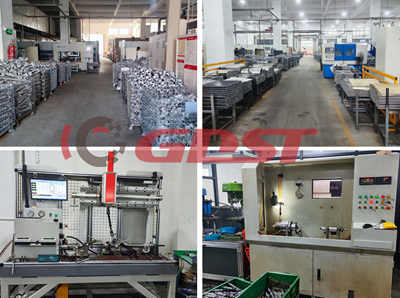
GDST understands B2B buyers want more than a product—they need complete solutions. Our EPS products provide:
- Factory Direct: Competitive pricing without middlemen.
- Customizable: Product and packaging tailored to your needs.
- Fast Production: Standard 30-day turnaround, with priority for urgent orders.
- Lifetime Support: One-year warranty with technical assistance available anytime.
- “Get in touch today to request a free quote or sample. GDST makes EPS procurement simple, fast, and reliable.”
Frequently Asked Questions
Focus on suppliers who offer hardware that covers multiple vehicle variants via software programming. Additionally, analyze your regional car-parc data to prioritize the top 20% of high-rotation OE numbers.
The cost is driven by the integrated ECU, high-precision sensors, and the electric motor. These components require clean-room assembly environments and computerized testing rigs that are not necessary for hydraulic systems.
Yes. We support full OEM/ODM services, including branded packaging that meets international shipping durability standards to protect the sensitive electronics during transit.
EPS allows a computer to control steering torque directly. This is essential for features like lane departure prevention, active parking assist, and future self‑driving systems. Hydraulic systems cannot do that.
Summary
Electric Steering Racks (EPS) are the future of automotive steering. They deliver precision, efficiency, and reduced maintenance—making them a smart choice for B2B buyers.
At GDST, we provide OE-quality, customizable EPS units with factory-direct pricing, fast production, and dedicated support.
“Contact GDST today to secure high-quality EPS solutions for your business. Enjoy customization, fast delivery, and lifetime support—all designed to make your procurement hassle-free.”
Related Steering Rack Guides
To help you make informed decisions and expand your knowledge on steering systems, here’s a selection of related guides from GDST:
- Steering Rack Price Guide (2026) – Understand the factors that affect steering rack pricing and plan your procurement budget effectively.
- Hydraulic vs Electric Steering Rack – Compare traditional hydraulic racks with modern EPS units to choose the right solution for your vehicles.
- Manual vs Power Steering Rack – Learn the key differences and advantages of manual and power-assisted steering systems.
- Steering Rack Problems – Discover common issues and how to troubleshoot or prevent them in your fleet.
- How Long Does a Steering Rack Last – Gain insights into the lifespan of different steering racks and plan maintenance cycles.
“Explore these guides to strengthen your understanding of steering racks and make smarter procurement decisions for your business.”