
If you’ve ever sourced control arms from overseas suppliers, you already know it’s not as simple as comparing prices.
One shipment looks perfect on paper — competitive price, wide model coverage — but once it arrives, problems start showing up:
- Inconsistent quality between batches
- Bushings and ball joints are wearing out too quickly
- Incorrect fitment causes customer complaints
For distributors and importers, these aren’t small issues. They directly affect your reputation, margins, and customer retention.
This guide is written from a practical point of view — not theory.
The goal is simple: help you choose the right suppliers, control your costs, and avoid common sourcing mistakes.
What Information You Must Provide Before Requesting a Control Arm Quote
When requesting quotations from suppliers, the accuracy of the information you provide directly affects both price accuracy and product compatibility.
In many real sourcing scenarios, problems don’t start in production — they start at the quotation stage.
Always Provide OE Numbers — Not Just Vehicle Models
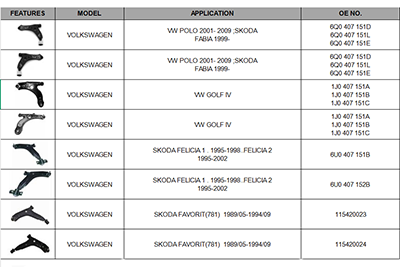
A common mistake is sending inquiries with only:
- vehicle model
- production year
While this information is helpful, it is not precise enough.
The most reliable way to identify a control arm is through its OE (Original Equipment) number.
Think of the OE number as the product’s “ID card”:
- each OE number corresponds to a specific control arm
- even the same model and year may have multiple variations
Without OE numbers, suppliers may:
- quote incorrect products
- make assumptions
- or deliver parts that don’t match the vehicle
Providing accurate OE numbers helps ensure:
- correct fitment
- fewer disputes
- smoother transactions
For a deeper comparison of product types and specifications, you can also check our guide on OEM vs aftermarket control arms→.
Confirm Whether the Control Arm Includes Ball Joints and Bushings
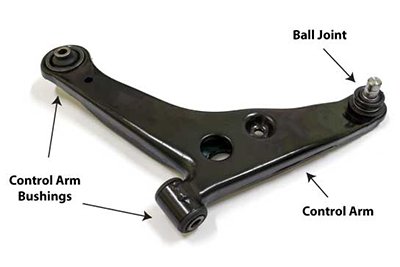
Another common issue appears when comparing quotations from different suppliers.
At first glance, one supplier may seem significantly cheaper — but there is usually a reason behind the price difference.
Always clarify what is included:
- Does the control arm include ball joints?
- Are bushings pre-installed?
- Is it a complete assembly or just the arm?
In real sourcing cases, some suppliers quote:
- complete assemblies (ready to install)
while others quote:
- only the bare control arm
This creates a price gap that is not directly comparable.
Don’t Rush to Choose the Lowest Price
Price differences between suppliers are normal.
However, if the gap is unusually large, it’s worth taking a closer look.
Instead of immediately choosing the cheapest option, ask:
- Are the specifications exactly the same?
- Are materials consistent?
- Are all components included?
In many cases, the lowest price leads to:
- higher return rates
- customer complaints
- hidden costs over time
If you’re unsure whether a quotation is reasonable, refer to our control arm price guide→ for a clearer understanding of pricing factors.
Key Factors to Consider When Buying Control Arms
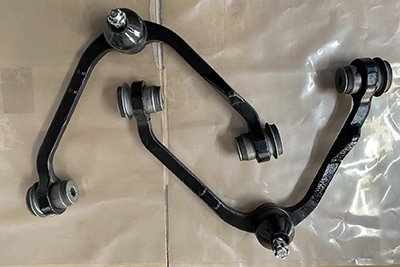
Choosing the right control arm is not just about the product itself — it’s about the consistency behind it.
A supplier may deliver a good first order, but if they cannot maintain quality across batches, it becomes a long-term risk.
Material Quality Directly Affects Warranty Risk
Material choice is not just a technical detail — it directly impacts your after-sales cost.
For example:
- lower-grade steel may reduce initial cost
- but increases the risk of deformation and early wear
Rubber bushings are another critical factor:
- poor-quality rubber tends to crack or harden quickly
- leading to noise issues and shorter lifespan
For distributors, this often results in:
- higher warranty claims
- damage to customer trust
Production Consistency Is More Important Than Perfection
In practice, consistency matters more than one perfect batch.
Ask yourself:
- Can this supplier maintain the same quality over multiple orders?
- Do they have stable production processes?
Inconsistent suppliers often create hidden costs:
- returns
- complaints
- unstable supply
To better understand how factories manage consistency, you can read our article on quality control in control arm production.
Certifications and Testing Matter — But Verify Them
Certifications like ISO can indicate a structured system, but they are not enough on their own.
Always ask for:
- real test reports
- inspection records
In many cases, actual data tells you more than certificates.
How to Choose a Reliable Control Arm Manufacturer
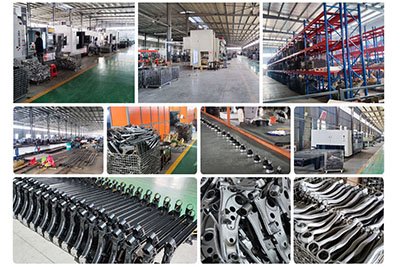
Not all suppliers operate at the same level.
Choosing the wrong one can cost far more than a slightly higher unit price.
Factory vs Trading Company
Understanding who you are dealing with is essential.
- Factories
- better control over production
- more stable quality
- customization options
- Trading companies
- wider product sourcing
- sometimes easier communication
If your goal is long-term cooperation, working directly with a factory is often the better choice.
For a deeper evaluation checklist, see our full guide on how to choose a reliable control arm manufacturer.
Production Capability and Capacity
Before placing an order, evaluate:
- production scale
- equipment
- product range
A supplier with limited capacity may struggle with:
- large orders
- delivery deadlines
Export Experience Reduces Risk
Suppliers experienced in export markets understand:
- packaging requirements
- documentation
- shipping processes
This reduces mistakes and improves efficiency.
Red Flags to Watch Out For
Be cautious if a supplier:
- offers prices far below the market level
- refuses to provide samples
- gives unclear or inconsistent answers
These are often early warning signs of deeper problems.
Control Arm Wholesale Strategy: How to Balance MOQ, Cost, and Inventory
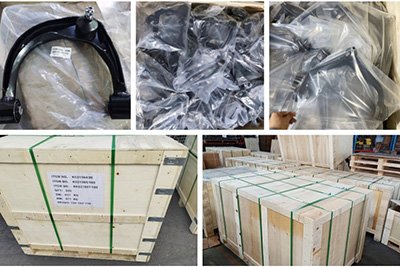
A profitable sourcing strategy is not about one order — it’s about long-term balance.
Understand MOQ Before Negotiating Price
Most manufacturers set MOQ based on production efficiency.
In general:
- lower MOQ = higher unit cost
- higher MOQ = better pricing
If you’re planning bulk purchasing, our control arm wholesale guide→ explains how to optimize MOQ and pricing.
Mix Best-Selling Models
Experienced buyers often:
- combine multiple fast-moving models
- optimize product mix
This helps:
- meet MOQ
- reduce risk
- improve inventory turnover
Avoid Overstocking Slow-Moving Items
Increasing order quantity for lower prices may seem attractive, but it can create:
- cash flow pressure
- excess inventory
A better approach is:
- test the market first
- scale gradually
Importing Control Arms from China: What Should You Pay Attention To
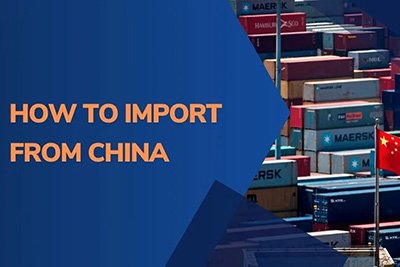
Importing is manageable — but details matter.
For a full step-by-step process, you can also read our guide on how to import control arms from China→.
Confirm Details Before Production
Always finalize:
- OE numbers
- specifications
- included components
- packaging
Clear communication at this stage prevents costly mistakes.
Always Request Samples
Samples help verify:
- fitment
- material quality
- finishing
Skipping this step increases risk significantly.
Understand Payment Terms
Common terms include:
- T/T
- L/C
For new suppliers, partial payment structures are standard.
Plan Logistics Carefully
Consider:
- shipping method
- lead time
- cost optimization
Poor planning often leads to delays.
Control Arm Manufacturing Process: Why It Matters for Buyers
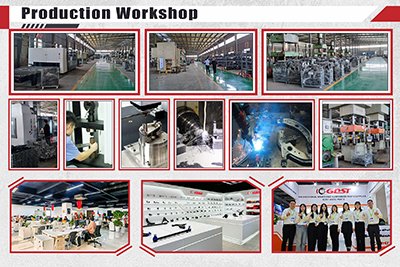
Understanding the basics of production helps you evaluate suppliers more effectively.
For a deeper breakdown, see our control arm manufacturing process→ guide.
Material Selection
Raw material quality affects:
- durability
- performance
Production Methods
Forging and casting result in:
- different strength levels
- different costs
Assembly and Finishing
Proper assembly ensures:
- product stability
- reduced failure rates
Quality Control in Control Arm Production: What You Should Expect
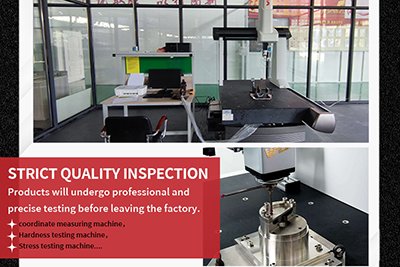
Quality issues usually result from weak systems, not isolated mistakes.
Multi-Stage Inspection
Reliable manufacturers perform:
- incoming material checks
- in-process inspections
- final testing
Testing and Verification
Testing ensures:
- durability
- performance consistency
Why It Matters for Your Business
Poor quality leads to:
- returns
- warranty costs
- customer dissatisfaction
Stable quality is often more valuable than the lowest price.
Recommended Control Arm Manufacturers and Sourcing Options
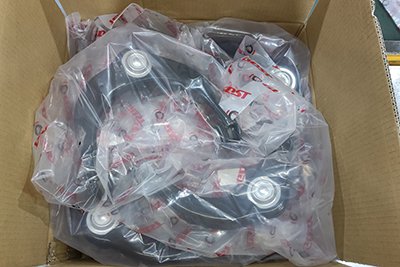
Choosing the right supplier is a key part of your procurement strategy.
You can explore:
Evaluate Beyond Price
Consider:
- product consistency
- communication
- reliability
Build Long-Term Relationships
Experienced buyers focus on:
- stable partnerships
- continuous improvement
This leads to better long-term results.
Conclusion: Smart Procurement Is About Balance
Successful sourcing is not about finding the cheapest option —
it’s about balancing cost, quality, and reliability.
By focusing on:
- accurate product identification
- clear communication
- realistic expectations
- and long-term cooperation
You can reduce risks and build a stronger, more sustainable business.
Get in Touch
If you’re sourcing control arms or expanding your product range, working with a supplier that understands both manufacturing and export requirements can make a significant difference.
Whether you need:
- OEM or aftermarket solutions
- stable quality across batches
- or support for your own branding
Feel free to reach out — a short conversation may help you avoid costly mistakes.
FAQ About Control Arm Procurement
The OE number is the most important. It ensures the correct product is quoted and avoids compatibility issues.
Differences usually come from:
material quality
included components
production methods
It depends on your market positioning. OEM offers consistency, while aftermarket offers flexibility.
You can:
optimize order quantities
focus on best-selling models
build long-term supplier relationships