
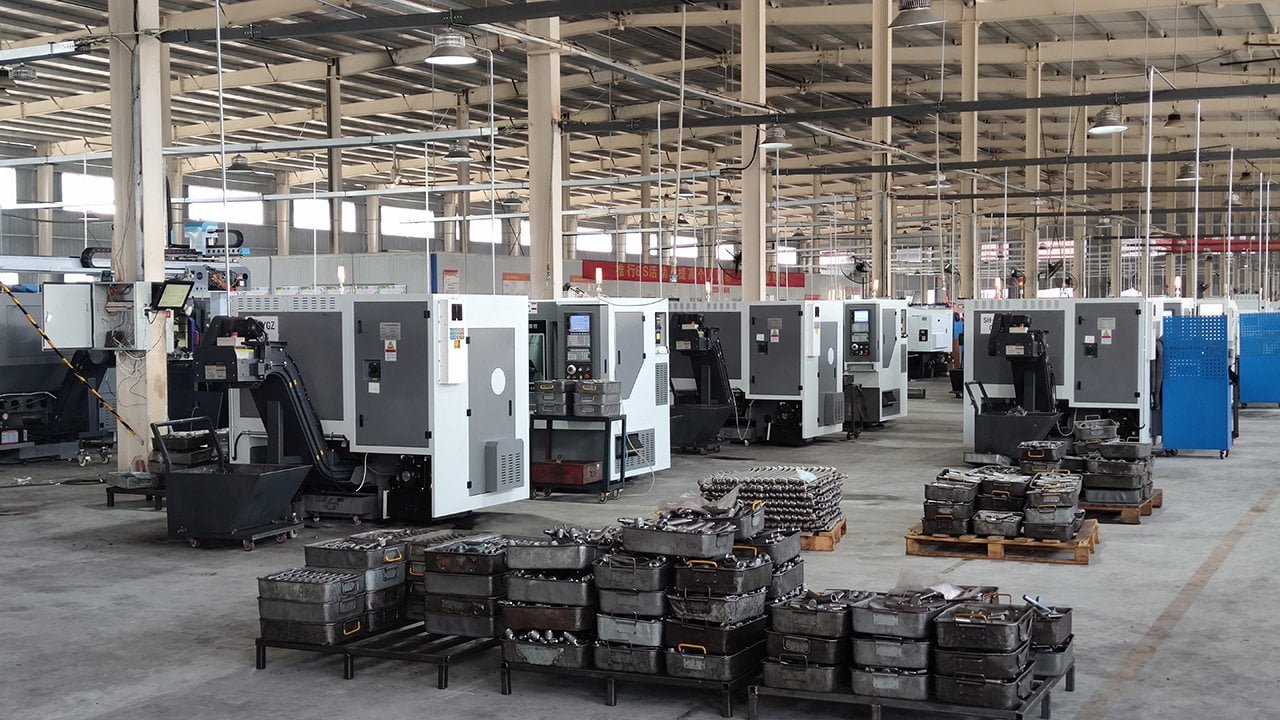
Executive Summary: This guide helps B2B buyers know how to Diagnose Steering Rack Problems, root causes, and simple checks. Learn what questions to ask suppliers, how to separate quality manufacturing from poor workmanship, and make smarter sourcing decisions – reducing warranty claims and customer complaints.
If you are a procurement manager, inventory planner, or workshop owner who buys steering racks regularly, you already know this: a failed steering rack doesn’t just cost you money – it costs you customer trust.
When a rack fails too early, you get complaints, warranty claims, and angry end-users. And most of the time, the root cause is not “bad luck” – it’s poor manufacturing quality.
- So instead of just selling products, we at GDST want to help you understand how to spot a failing rack before it becomes a big problem. Why? Because when you know how a rack fails, you also know exactly what to look for in a reliable steering rack manufacturer.
If you are new to steering racks, you may want to first read our beginner guide: What is a steering rack.
Common Steering Rack Failure Symptoms – A Quick Checklist
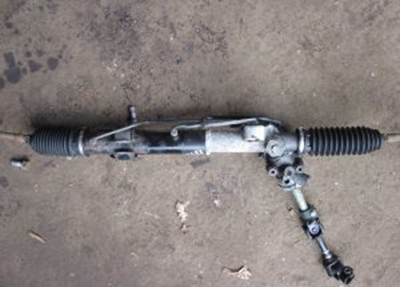
The table below is designed for busy buyers. Use it to quickly match symptoms with possible causes – and more importantly, what questions you should ask your supplier.
| Symptom | What to Observe | Likely Cause | Procurement Question |
|---|---|---|---|
| Vibration when turning | Steering wheel shakes left/right | Rack runout too high (over 0.08 mm) | “What is your runout control tolerance?” |
| Clunking or knocking noise | Noise during low-speed turns | Worn teeth or excessive backlash | “Do you test gear backlash before shipping?” |
| Hard to turn | Especially when parking | Internal binding or poor assembly | “Can you share your final assembly inspection report?” |
| Steering feels loose | Wheel moves before engaging | Internal play or bushing wear | “What material do you use for bushings?” |
| Oil leak (hydraulic type) | Fluid on boots or around rack | Seal failure or porous housing | “Do you perform seal pressure testing?” |
| Uneven tire wear | One side wearing faster | Pitch error or misalignment | “What is your tooth pitch tolerance?” |
- This checklist alone can save you months of trial and error with the wrong supplier.
How to Diagnose Steering Rack Problems in 5 Simple Steps
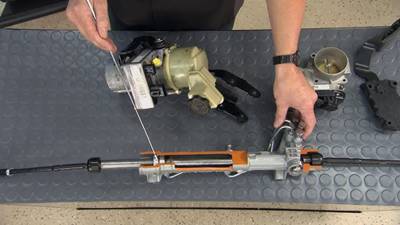
You don’t need a full engineering lab to spot a bad rack. Here are five practical steps that any experienced buyer or technician can follow.
Step 1 – Listen carefully
Start the engine (for hydraulic racks) or turn the wheel while parked.
- Clunking during turning → likely worn rack teeth or loose internal parts.
- Whining or squeaking → often a seal or fluid issue.
- Grinding → debris inside the rack, which usually means boot damage.
To fully understand how these noises are created, check out our detailed post: How does a steering rack work.
Step 2 – Look for leaks or damaged boots
Lift the vehicle (or look underneath if accessible).
- Cracked or torn rubber boots allow dirt and water into the rack. Once inside, they grind the teeth like sandpaper.
- Oil on the boots or ground means the rack seals are failing.
Step 3 – Feel the steering while driving
Take the vehicle for a short test drive on a straight, flat road.
- If you constantly need to correct the steering to keep it straight, there is internal play.
- If the wheel returns slowly after a turn, the rack may be binding.
Step 4 – Check for play (simple shake test)
With wheels on the ground, gently shake the steering wheel left and right.
- If you feel more than a few millimeters of “dead zone” before the wheels move, the rack has excessive backlash.
Step 5 – Ask for runout measurement data
Runout is how “straight” the rack bar is. A bent rack causes vibration and uneven wear. Professional manufacturers control runout below 0.08 mm over the entire length.
- This is where you separate low-cost vendors from real quality suppliers.
Root Causes of Steering Rack Failure – What They Mean for Sourcing
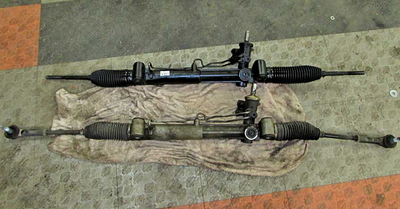
Now let’s go deeper. Why do steering racks fail prematurely in real-world use? Almost always, it comes down to one of these five root causes.
| Root Cause | What Fails | Supplier Red Flag |
|---|---|---|
| Poor material quality | Teeth wear out fast | Cannot provide steel grade certificate |
| Wrong or skipped heat treatment | Soft surface, early pitting | No hardness testing data |
| Low machining accuracy | Uneven engagement, noise | No CNC runout report |
| Cheap seals | Oil leaks after few months | Cannot name seal brand or test pressure |
| Poor assembly | Binding, uneven feel | No final bench test |
If you want to know how long a good rack should last under normal use, read our article: How long does a steering rack last.
When you evaluate a new supplier, ask directly:
- “What heat treatment process do you use?”
- “What is your typical hardening depth?”
- “Do you leak-test every rack before packing?”
A manufacturer that hesitates to answer these questions is likely hiding something.
From Diagnosis to Sourcing – A Vendor Evaluation Framework
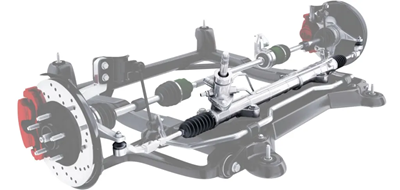
You now know how to spot a failing rack. The next step is to use that knowledge when choosing a supplier.
Here is a simple framework that procurement teams can use before placing the first order.
1. Ask for real data, not just promises
- Request the runout report from their last batch.
- Ask for hardness test results (surface and core).
- Ask which seal brand they use (e.g., NOK, SKF, or generic?).
2. Visit the factory (or do a virtual tour)
- Can they show you their CNC machines and testing equipment?
- Do they have an IATF 16949 quality system? (This is the automotive industry gold standard.)
3. Request a sample order
- One sample rack can tell you more than ten technical brochures.
- Install it on a test vehicle and follow the diagnosis steps we shared above.
If you are preparing to replace your current sourcing partner, our guide How to replace a steering rack walks you through the whole process – from removal to new installation.
4. Check for customization ability
Every market is different. Some customers need heavy-duty racks for trucks, while others need electric racks for passenger cars. A good manufacturer should support product customization and packaging customization without endless delays.
Why GDST Is Your Trusted Partner for High-Quality Steering Racks
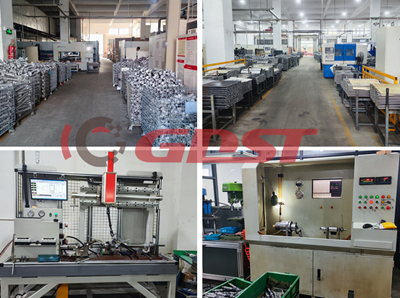
At GDST, we don’t just assemble steering racks – we engineer them for long-term reliability.
Here is what we do differently:
- CNC machining accuracy within ±0.01 mm
- Runout control ≤ 0.05 mm (even stricter than standards)
- 100% final test before shipping – each rack is checked for smoothness and noise
- IATF 16949 certified – not just a sticker, but real process control
- Seal pressure testing on every batch – we use premium brand seals only
And because we are a factory-direct steering rack supplier, you get:
- 1-year warranty + lifetime service support
- 30 days normal production time
- Emergency order handling when you really need it
- 24/7 sales team – no waiting for “office hours.”
Do you need a hydraulic rack or an electric one? The choice matters. Read our comparison: Hydraulic vs Electric Steering Rack.
Ready to source smarter?
Stop guessing which supplier will deliver a reliable product. Contact our technical team today – we will help you choose the right rack for your market, provide test data, and even arrange a sample order.
Conclusion
Diagnosing steering rack problems is not just a repair skill – it is a procurement advantage. When you know what causes failure, you know what questions to ask, which data to demand, and which suppliers to trust.
At GDST, we build steering racks that pass the real-world test – not just the paper checklist. Whether you need custom lengths, special coatings, or high-volume production, we are ready to support your business.
Have a specific problem with your current racks? Send us a message – our engineers will give you an honest diagnosis within 24 hours.
Related Steering Rack Guides
To help you make even more informed purchasing decisions, we’ve put together a collection of useful resources. Each guide addresses a different part of the steering rack buying process – from pricing comparisons to long‑term cost planning.
- Steering Rack Price Guide (2026) – Current market trends, price ranges by type, and how to get the best value without sacrificing quality.
- Hydraulic vs Electric Steering Rack – Detailed comparison of performance, maintenance, and suitability for different vehicle types.
- Manual vs Power Steering Rack – Which one fits your fleet or aftermarket needs? Pros and cons explained.
- Common Steering Rack Problems – A deeper look into the most frequent failure modes and how to avoid them.
- How Long Does a Steering Rack Last? – Expected lifespan under normal vs. harsh conditions, plus tips to extend service life.
- Steering Rack Replacement Cost – Breakdown of part costs, labor, and hidden expenses – essential for budgeting and quoting.
Bookmark this page, because we regularly update these guides with fresh data and real-world case studies from our factory.
Frequently Asked Questions
Normal wear usually appears after many years or high mileage (over 150,000 km) and develops gradually. Manufacturing defects often cause early failures – within the first 30,000 km or a few months. Look for uneven tooth wear, soft surface hardness, or leaking seals right after installation. If multiple racks from the same batch show similar symptoms, it is likely a quality issue.
In our experience, insufficient or uneven heat treatment is the most common hidden flaw. It makes the rack teeth too soft, causing rapid wear and pitting. Always ask potential suppliers for hardness test reports and hardening depth data.
No, not in the long run. A cheap rack with poor materials or loose tolerances will generate more warranty claims, labor costs, and customer complaints. Please consider the total cost of ownership, not just the purchase price. A slightly higher quality rack from a factory like GDST often lasts 2–3 times longer.
Ask for a sample inspection report for a recent batch. Reputable manufacturers can provide runout measurements, seal leak test results, and assembly checklists. Better still, request a video call to see the testing station. Factories that avoid this are likely skipping critical quality checks.
That is a red flag. Move to a supplier who is transparent. Before switching, order a small test batch from a new manufacturer and compare the performance side by side. Most quality issues become obvious within the first 1,000 km or through simple bench tests.