
If a control arm breaks, your vehicle’s safety and handling are severely compromised. A broken control arm can cause loss of steering control, make your vehicle unstable, and potentially lead to more expensive damage to other suspension components. In short, driving with a broken control arm is dangerous and should be avoided at all costs.
What Happens When a Control Arm Breaks?
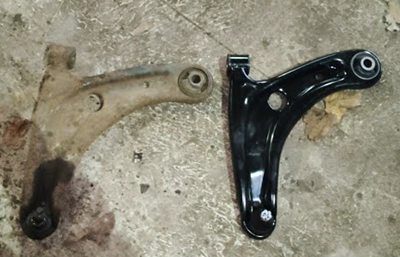
As a fundamental pillar of vehicle suspension, the control arm plays a decisive role in road safety; any compromise in its structural integrity can trigger severe handling and performance failures.
- Sudden Steering Instability: A fractured control arm instantly disrupts your wheel alignment. This shift creates erratic steering behavior, making the vehicle difficult to stabilize—particularly during high-speed cruising or sharp cornering.
- Damage to Other Parts: A broken control arm doesn’t just affect itself. It can lead to further suspension damage, wear on tires, and even cause problems with the braking system.
- Safety Risks: The handling becomes unpredictable, and braking distances increase, making the car unsafe to drive. In some cases, the wheel could even become completely misaligned, making driving almost impossible.
Symptoms of a Broken Control Arm

You don’t always have to wait for the control arm to break completely before noticing the problem. Here are some signs that it may be damaged:
- Strange Noises: If you hear clunking or knocking sounds when turning or driving over bumps, it could mean the control arm is damaged.
- Uneven Tire Wear: Misalignment caused by a broken control arm can lead to uneven tire wear, which can wear your tires down faster.
- Poor Handling: If the steering feels loose or the car pulls to one side, it could be because of a control arm issue.
| Symptom | What It Indicates | Action to Take |
|---|---|---|
| Clunking/knocking sounds | Control arm bushings or ball joints worn out | Immediate inspection needed |
| Uneven tire wear | Misalignment from control arm damage | Schedule alignment & replacement |
| Steering instability | Loss of control, possibly from a broken control arm | Replace the control arm immediately |
Learn more about the Symptoms of A Bad Control Arm →
Can You Drive with a Broken Control Arm?
Technically, you might still be able to drive with a broken control arm, but it’s not safe. Here’s why:
Handling Issues: The car will become difficult to control. At best, it will be uncomfortable; at worst, you could lose control completely, leading to an accident.
Increased Wear: Driving with a damaged control arm will also cause further damage to other suspension parts and tires, making future repairs even more expensive.
What to Do If Your Control Arm Breaks?

If you’re dealing with a broken control arm, here’s what you should do:
- Stop Driving Immediately: Continuing to drive is risky. If you notice steering issues or unusual noises, pull over safely and avoid further damage.
- Call for Help: Contact a tow service to take your vehicle to a mechanic or repair shop for immediate attention.
- Get It Repaired: A broken control arm needs to be replaced ASAP. Don’t wait—get it fixed to avoid more serious problems.
If you’re a business in need of reliable control arm parts for replacement or bulk orders, we offer OE-standard control arms at competitive prices. Contact us today to learn more.
Emergency Handling and Repair Guide for a Broken Control Arm
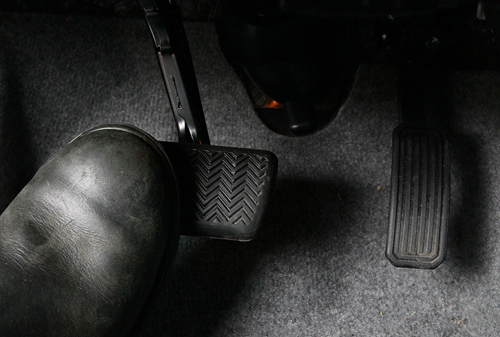
If your control arm breaks while driving, follow these simple steps:
High-Speed Emergency Handling
- Don’t Slam the Brakes: Braking hard can make things worse. Instead, slowly reduce speed by shifting into a lower gear (engine braking).
- Grip the Steering Wheel Firmly: Hold the wheel tight to keep control of the vehicle.
- Move to the Side: Steer gently and pull to the side of the road, avoiding sharp turns.
Towing Considerations
- Use a Flatbed Tow Truck: Since the wheel is misaligned, a flatbed tow truck is safer. A standard tow truck may cause further damage.
- Secure the Vehicle: Make sure the vehicle is properly secured during towing to avoid additional damage.
Repair Solutions
- Replace One or Both Control Arms?: It’s usually best to replace both control arms to maintain balance and avoid further issues.
- Choose Quality Parts: Use OEM or trusted aftermarket parts for reliability.
- Four-Wheel Alignment: Always do a four-wheel alignment after replacing the control arm to ensure proper handling.
The Importance of Timely Replacement
Delaying control arm replacement can lead to bigger, more expensive issues. Here’s why you should act fast:
- Safety First: A broken control arm compromises your vehicle’s ability to handle properly. Getting it replaced immediately can prevent accidents.
- Cost of Delayed Repair: Ignoring a damaged control arm can lead to damage to other suspension components. The longer you wait, the more costly the repair becomes.
For more information on control arm replacement costs, check out our article on How Much Does Control Arm Replacement Cost?.
Conclusion
To wrap up, a broken control arm is a serious issue that should not be overlooked. It plays a key role in your vehicle’s suspension system, influencing everything from handling to safety and long-term maintenance costs. If you notice any signs of control arm damage or suspect a failure, it’s crucial to act quickly and replace the control arm.
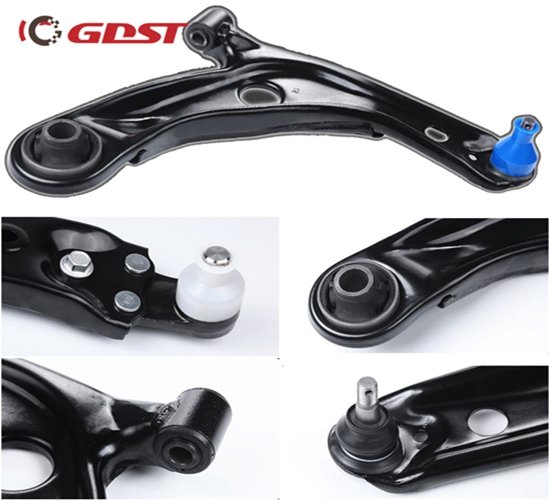
For businesses in need of high-quality, OE-standard control arms, we provide customized solutions and competitive bulk pricing to meet your specific requirements. We would be delighted to hear from you at any time to discuss our support options for your business.
To learn more about suspension control arms and their importance, explore our Complete Control Arm Guide.
Related Control Arm Guides
If you’re interested in learning more about control arms and suspension systems, here are some additional guides that may be helpful:
- How to Replace a Control Arm? – A step-by-step guide to replacing a control arm safely and efficiently.
- Function of a Control Arm in a Car – Learn how this vital component helps stabilize your vehicle’s suspension system.
- Where Is the Control Arm Located? – Discover where control arms are positioned in a vehicle and why their placement matters.
- Swing Arm vs. Control Arm – Understand the differences between these two suspension components and how they affect vehicle performance.
- Upper Control Arm vs Lower Control Arm – A breakdown of the roles and differences between the upper and lower control arms in your vehicle’s suspension system.
- Adjustable Control Arm Explained – Explore the benefits of adjustable control arms and their applications in performance vehicles.
- Stamped Steel vs Forged Control Arm – Learn about the manufacturing processes and how they affect the durability and strength of control arms.
FAQ
If a control arm breaks while driving, you’ll lose control over your vehicle’s steering and suspension. This can cause severe instability, making the car harder to handle, especially when turning or braking. In some cases, the wheel could completely misalign, making it dangerous to continue driving.
If you hear clunking or knocking sounds when turning or driving over bumps, it could indicate that the control arm or its components are worn or damaged. While it might still be drivable in the short term, it’s important to get the issue inspected and repaired soon to avoid further damage to the suspension system and ensure safe driving conditions.
No, it is not safe to drive with a broken control arm. However minor the damage may seem, it is likely to affect the vehicle’s handling. The situation can quickly worsen, leading to more extensive and costly repairs, or even a breakdown that leaves you stranded on the road.
Replacing a control arm typically takes 2 to 4 hours, depending on the vehicle’s make and model and the condition of the suspension components. However, more extensive repairs or additional issues could extend the repair time.