When it comes to vehicle suspension systems, control arms play a key role in ensuring stability, comfort, and handling. There are several types of control arms used in vehicles, including single, double, and multi-link configurations, each designed to meet specific vehicle needs. In this article, we’ll explore the different types of control arms and explain how they impact vehicle performance.
For wholesalers and auto parts distributors, understanding these variations isn’t just about mechanics—it’s about inventory optimization and meeting the specific quality demands of your local market.
Distributor Insight: If you’re looking for a foundational breakdown of these components, start with our core guide: [What Is a Control Arm?→].
Why Understanding Control Arm Types Matters
When selecting control arms for vehicles, understanding the different types is crucial for both vehicle performance and inventory management. By choosing the right type of control arm, wholesalers can better meet customer demand and ensure proper vehicle handling. Control arm types vary by suspension design, driving performance requirements, and cost, making it vital to stock the right parts for the right vehicles.
For more on the basics of control arms and their functions, be sure to read What Is a Lower Control Arm?→
and What Is an Upper Control Arm?→, as both are key elements in a vehicle’s suspension system.
Types of Control Arms in Vehicles
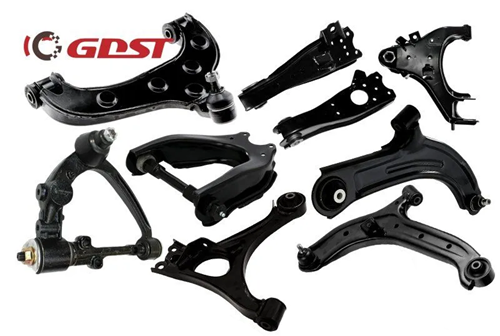
- Single Control Arm
- Description: Single control arms are found in front-wheel drive (FWD) vehicles. They are simpler, more cost-effective, and commonly used in everyday passenger vehicles.
- Key Benefits: Cost-effective, simple design, low maintenance.
- Market Demand: High demand in compact and economy vehicles.
- Double Control Arm
- Description: Double control arms are used in rear-wheel drive (RWD) and all-wheel drive (AWD) vehicles. This setup offers better handling and stability, especially on rough terrain or sharp turns.
- Key Benefits: Improved stability and handling, especially during turns and uneven driving conditions.
- Market Demand: Common in trucks, sedans, and SUVs.
- Multi-Link Suspension
- Description: Multi-link suspensions use several control arms to provide superior precision and performance. This setup is often used in luxury or performance vehicles.
- Key Benefits: High precision, superior handling, and better ride quality.
- Market Demand: Popular in high-end and performance vehicles.
- Independent Suspension
- Description: Independent suspension uses multiple control arms for each wheel, enhancing stability and ride comfort. This system is most common in luxury and performance vehicles.
- Key Benefits: Excellent handling, better comfort, and reduced road noise.
- Market Demand: Common in luxury cars, high-performance vehicles, and some SUVs.
Professional Comparison: Control Arm Types
| Control Arm Type | Application | Key Benefits | Market Demand | Inventory Strategy |
|---|---|---|---|---|
| Single Control Arm | Front-Wheel Drive (FWD) | Simple, cost-effective design | High demand for mass-market cars | Stock in high quantities for everyday vehicles like sedans and hatchbacks. |
| Double Control Arm | Rear-Wheel Drive (RWD) & AWD | Better handling, stability | Common in trucks, sedans, and SUVs | Ensure a balanced inventory of both upper and lower control arms for RWD and AWD vehicles. |
| Multi-Link Suspension | High-Performance & Luxury Vehicles | Precise control, superior ride quality | High demand for luxury and performance cars | Focus on limited, high-quality stock for luxury and sports car brands. |
| Independent Suspension | Luxury & Performance Cars | Excellent handling, improved comfort | Popular in sports cars & luxury vehicles | Smaller, specialized inventory tailored for performance and luxury cars. |
Materials Used for Control Arms
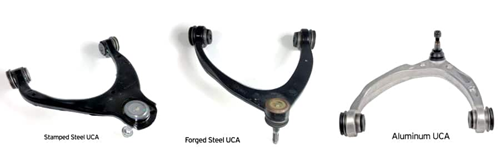
The material used for control arms significantly affects their durability, weight, and cost. Here are some common materials:
- Stamped Steel: Cost-effective and commonly used in standard vehicles.
- Cast Iron: Durable and strong, ideal for heavy-duty vehicles.
- Forged Aluminum: Lightweight and strong, often used in high-performance or luxury vehicles.
Rising Demand for Aluminum: With the growth of electric vehicles (EVs) such as Tesla and BYD, demand for lightweight aluminum control arms is increasing. Aluminum helps improve energy efficiency, making it a popular choice for EVs looking to optimize performance and range.
Looking for OEM-grade aluminum control arms?
At GDST, we provide high-quality, lightweight forged aluminum control arms ideal for electric vehicles and performance cars. Get a Customized Bulk Quote to meet your specific needs.
Choosing the Right Control Arm for Your Vehicle
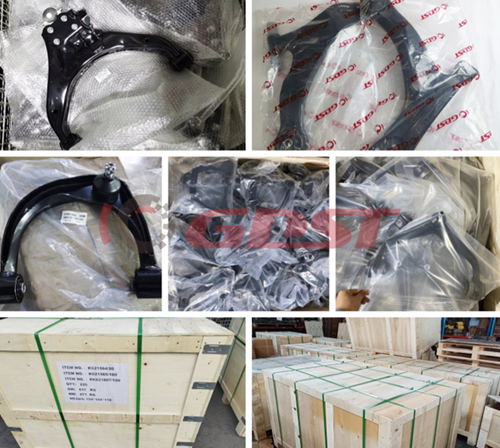
Choosing the right control arm for your vehicle is crucial to maintaining both its performance and safety. Different vehicles require different types of control arms, and the material, design, and purpose of the control arm play a significant role in its effectiveness.
- For daily drivers and economy vehicles: Single control arms made from stamped steel are typically sufficient, providing durability and a cost-effective solution.
- For high-performance or luxury vehicles: A more advanced setup, like double control arms or multi-link suspensions, made from forged aluminum or cast iron, ensures better handling and stability under demanding conditions.
Whether you’re looking to replace worn-out parts with aftermarket control arms or seeking OEM-grade control arms, it’s essential to know what’s best for your vehicle’s suspension system. This will help you avoid unnecessary repairs and maximize the lifespan of your suspension.
For more detailed guidance on sourcing control arms and making the right choices for your vehicles, be sure to check out our Control Arm Procurement Guide. It offers practical tips on control arm replacement, understanding quality standards, and choosing the right aftermarket parts for different vehicle models.
Conclusion
Suspension control arms play a pivotal role in maintaining your vehicle’s stability, comfort, and overall performance. By understanding the different types of control arms, the materials used in their construction, and their specific applications, wholesalers and vehicle owners can make more informed decisions when selecting the right parts.
The right control arm not only improves handling and safety but also ensures smoother operation and minimizes long-term repair costs. Additionally, selecting the right type of control arm can significantly improve inventory management for wholesalers, ensuring that you have the right parts for various vehicle models on hand.
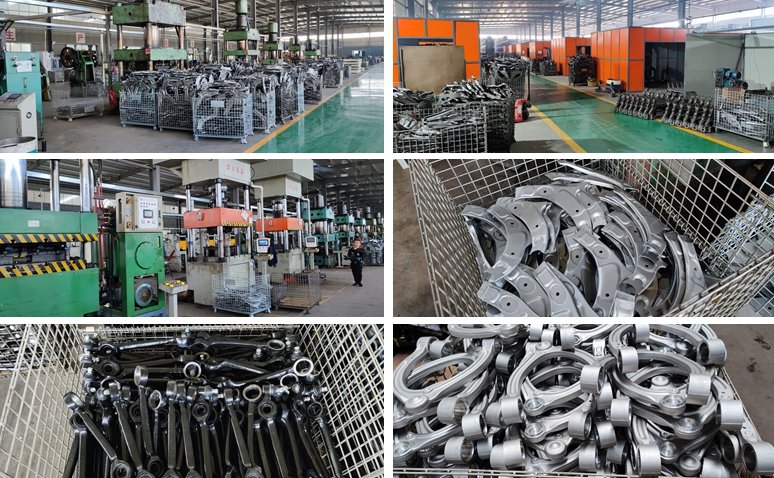
Looking for high-quality, reliable control arms?
At GDST Auto Parts, we specialize in OEM-grade suspension control arms and offer factory-direct pricing. We provide custom solutions for various vehicle types, with a focus on fast delivery and long-lasting performance. Contact us today to discuss your needs and receive a personalized bulk quote.
For a comprehensive guide to all things control arm, be sure to explore our Complete Control Arm Guide.
Related Control Arm Guides
💡 Expand Your Knowledge
If you found this article helpful, you might also be interested in these related guides:
- 🔗 What Is a Lower Control Arm?– Learn about the lower control arm’s role in suspension systems.
- 🔗 What Is an Upper Control Arm?– Understand the function of the upper control arm in your vehicle’s suspension.
- 🔗 Swing Arm vs Control Arm– Compare the differences between swing arms and control arms.
- 🔗 How to Replace a Control Arm– Step-by-step guide on replacing control arms in your vehicle.
- 🔗 How to Choose a Reliable Control Arm Manufacturer – Tips on selecting a trustworthy control arm manufacturer that meets your quality and delivery requirements.
FAQ: Frequently Asked Questions
Stamped steel is lighter and more cost-effective, commonly used in standard vehicles. Cast iron, on the other hand, is more durable and often used in heavy-duty or performance vehicles due to its strength.
Forged aluminum is lightweight yet strong, making it ideal for performance vehicles that require high precision, better handling, and improved fuel efficiency. It’s also more resistant to corrosion compared to steel.
No, you must select the control arm based on your vehicle’s suspension system and requirements. For example, performance vehicles require double control arms or multi-link suspensions, while everyday cars often use single control arms.
The material depends on your vehicle’s usage. Stamped steel is ideal for regular vehicles, cast iron for heavy-duty cars, and forged aluminum for performance or luxury vehicles.