
If you’ve ever looked under the hood of a running car, you might notice something interesting. Even though the engine is extremely powerful and constantly moving, it stays firmly in place. That’s not an accident. It’s the job of a small but critical component called the engine mount.
In the automotive world, these parts are also known as motor mounts on a car. They don’t get the same attention as engines, transmissions, or suspension systems, but without them, modern vehicles would be far noisier and far less comfortable to drive.
Let’s take a closer look at what engine mounts are and the main engine mount types used in today’s vehicles.
What Is Engine Mounting in a Car?
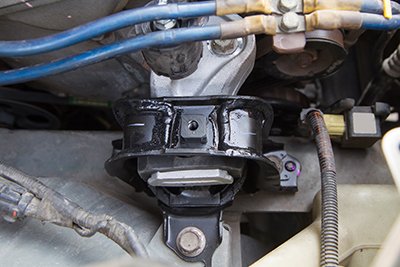
A common question people ask is: what is engine mounting in a car?
Simply put, engine mounting is the system that secures the engine to the vehicle’s frame or chassis. Instead of bolting the engine directly to the metal body, manufacturers use specialized mounts that absorb vibration and control engine movement.
Every running engine creates vibration. Combustion inside the cylinders, rotating parts, and road movement all contribute to it. Without a proper mounting system, that vibration would transfer directly to the car body, making the ride uncomfortable and potentially damaging other components.
This is where automotive engine mounts come into play.
Most car motor mounts consist of two main parts:
- A metal bracket that connects to the engine block and vehicle frame
- A vibration-absorbing material, usually rubber or polyurethane
Together, they hold the engine in place while allowing just enough flexibility for normal movement during acceleration or gear shifts.
If you look at a typical engine mount diagram, you’ll usually see the engine supported by three or four mounts placed around the engine bay.
Main Types of Engine Mounts
In the automotive industry, there are several common engine mount types used across different vehicles.
Each type has its own advantages depending on the vehicle design and performance requirements.
The most common types of engine mounts include:
- Rubber engine mounts
- Hydraulic engine mounts
- Polyurethane engine mounts
- Active electronic mounts
Let’s go through them one by one.
Rubber Engine Mounts
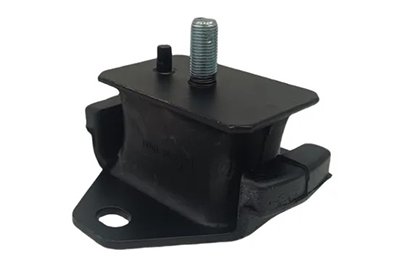
Among all engine mount types, rubber mounts are by far the most common.
These mounts use a thick piece of rubber sandwiched between two metal plates. The rubber acts as a cushion, absorbing vibration from the engine.
Why Rubber Mounts Are So Popular?
Rubber mounts are widely used because they provide:
- Excellent vibration isolation
- Lower manufacturing cost
- Reliable everyday performance
For this reason, most standard passenger cars rely on engine rubber mounts.
However, rubber does have some limitations. Over time, exposure to heat, oil, and constant stress can cause the rubber to crack or weaken.
Typically, car motor mounts made from rubber last around five to seven years before needing replacement.
Hydraulic Engine Mounts
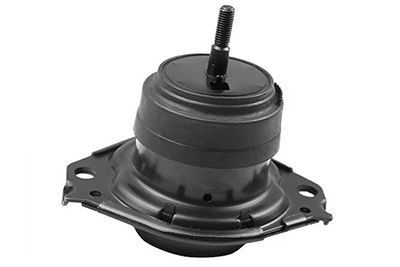
As vehicles became quieter and more refined, manufacturers started using hydraulic engine mounts.
These mounts contain a small chamber filled with hydraulic fluid. When the engine vibrates, the fluid moves within the mount to absorb the motion.
This design provides better vibration control than traditional rubber mounts.
Hydraulic mounts are commonly used in:
- Modern sedans
- SUVs
- Luxury vehicles
The main downside is cost. Hydraulic mounts are more complex and generally more expensive than basic auto motor mounts made from rubber.
Polyurethane Engine Mounts
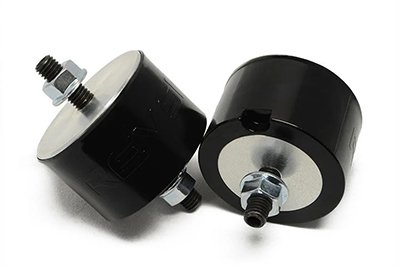
Another popular option, especially in the aftermarket performance market, is the polyurethane engine mount.
Often called poly engine mounts, these mounts use polyurethane instead of rubber.
Polyurethane is much stiffer than rubber, which means it allows less engine movement.
Advantages of Poly Engine Mounts
Performance enthusiasts often prefer them because they offer:
- Higher durability
- Better engine stability
- Improved power transfer
These mounts are commonly used in performance cars, racing vehicles, and modified engines.
However, there’s a trade-off. Because polyurethane is stiffer, it absorbs less vibration. This means drivers may notice more noise and vibration inside the vehicle.
Active Engine Mounts
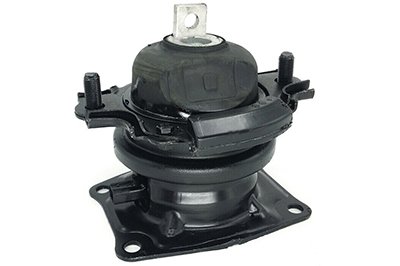
The most advanced types of mounts used today are active or electronic engine mounts.
These mounts use sensors and electronic controls to adjust vibration damping in real time.
When the engine vibrates, the system automatically changes the mount’s stiffness to counteract the vibration.
Active mounts are typically found in:
- Premium sedans
- High-end SUVs
- Luxury vehicles
While they offer excellent comfort and vibration control, they are also the most expensive type of automotive engine mounts.
How Many Engine Mounts Does a Car Have?
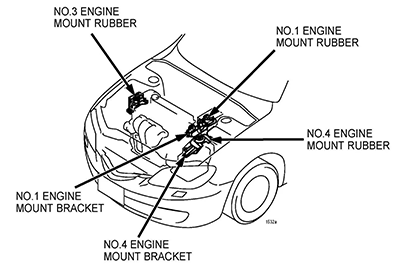
People often ask how many motor mounts on a car needs to support the engine.
In most cases, a vehicle has three or four mounts.
A typical setup might include:
- Right engine mount
- Left engine mount
- Rear mount
- Transmission mount
The exact number depends on the engine layout and drivetrain configuration.
An engine mount location diagram usually shows these mounts positioned around the engine to balance weight and control movement.
FAQ – You Also Want to Know
Engine mounts hold the engine in place, reduce vibration, maintain drivetrain alignment, and improve overall driving comfort. They prevent excessive movement that could damage surrounding components.
The four main types are rubber mounts, hydraulic mounts, polyurethane mounts, and active electronic mounts. Each type has its own advantages depending on vibration control, performance, and vehicle requirements.
Polyurethane mounts are stiffer and more durable than rubber mounts, making them popular in performance vehicles. However, they transmit more vibration and noise to the cabin compared to rubber mounts.
Signs of failing engine mounts include excessive engine vibration, knocking or clunking noises, engine movement during acceleration, and visible damage like cracks in rubber or leaking hydraulic fluid.
The Chevy 350 motor mount bracket supports the Chevrolet 350 small-block engine. It’s widely used in classic cars, engine swaps, and performance builds, making it a common item in the auto parts market.
If you are in the engine mount business with wholesale and want to find a reliable engine mount factory with competitive prices, you can take a look at our List of Engine Mount Manufacturers in China. Trust it will help you a lot.