
Hydraulic Power Steering Rack Manufacturer for Automotive Aftermarket Buyers
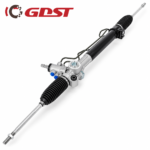
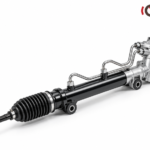
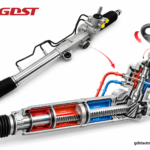
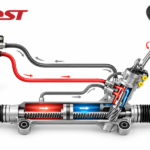
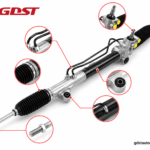
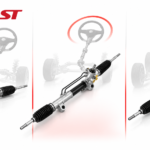
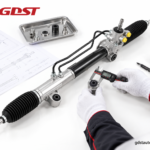
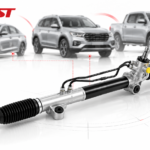
- MOQ
- 30pcs/Model
- Price
- $30-$100
- Warranty
- 1 Year From Receipt of Goods
- Delivery Time
- 45-55 Days
- Customization
-
- Customized Logo
- Customized Packaging
- ODM/Sample Development
ISO9001 Certified
Fast Delivery
OEM/ODM
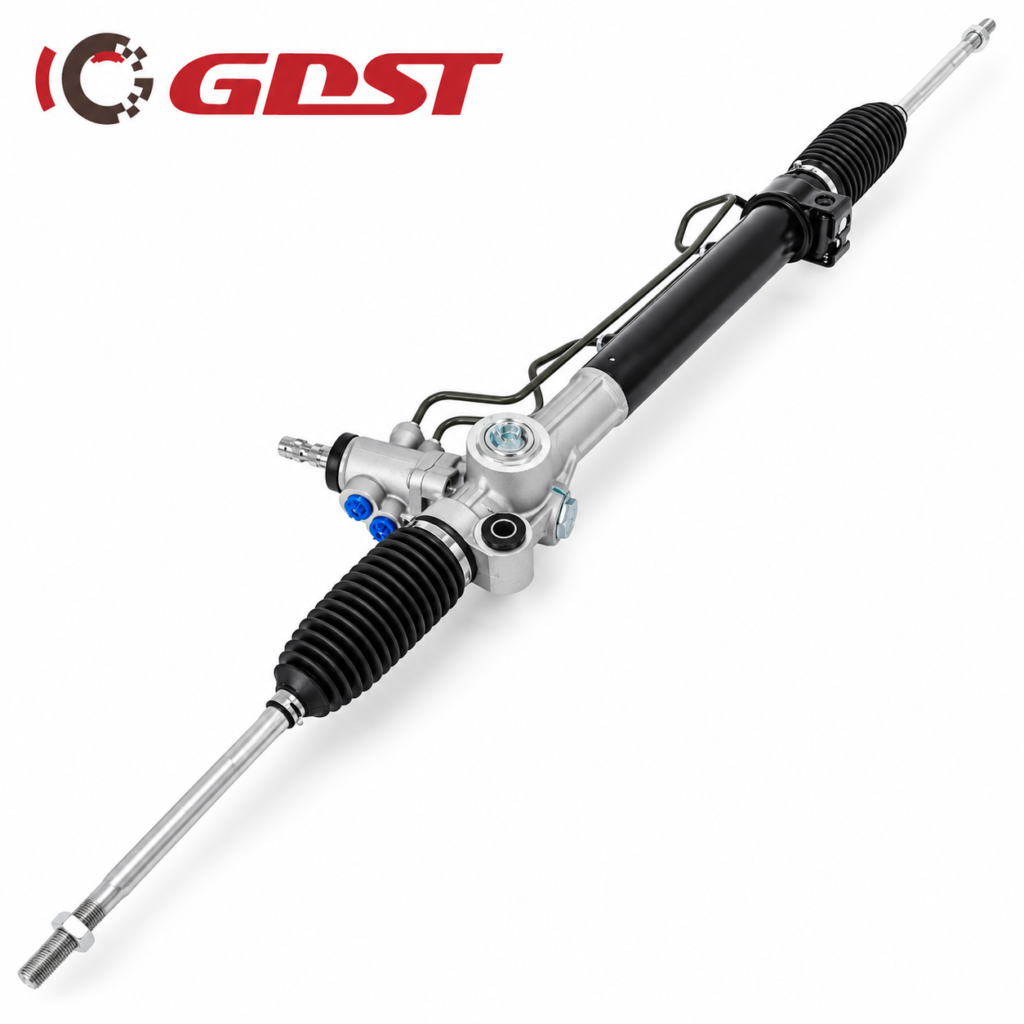
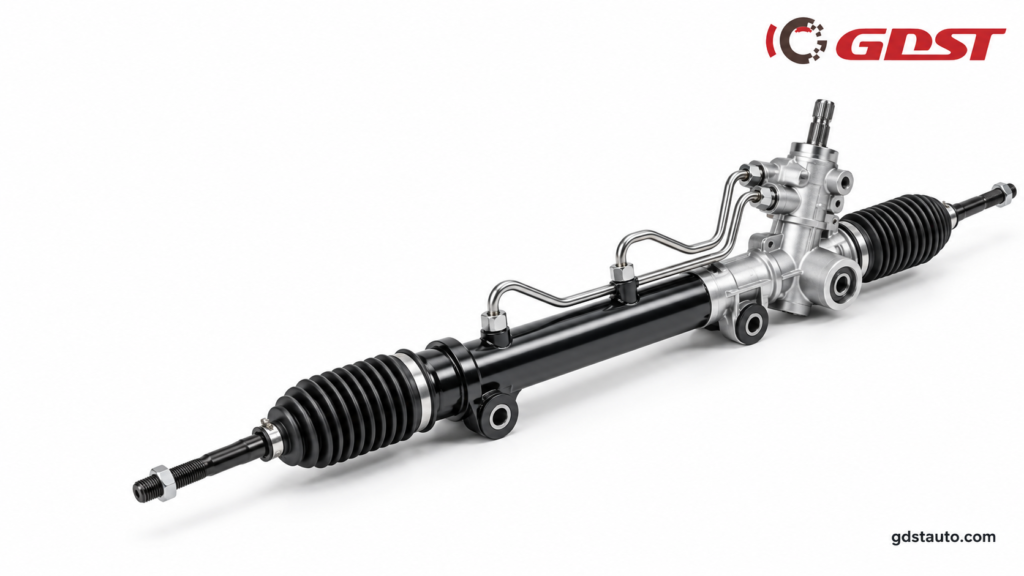
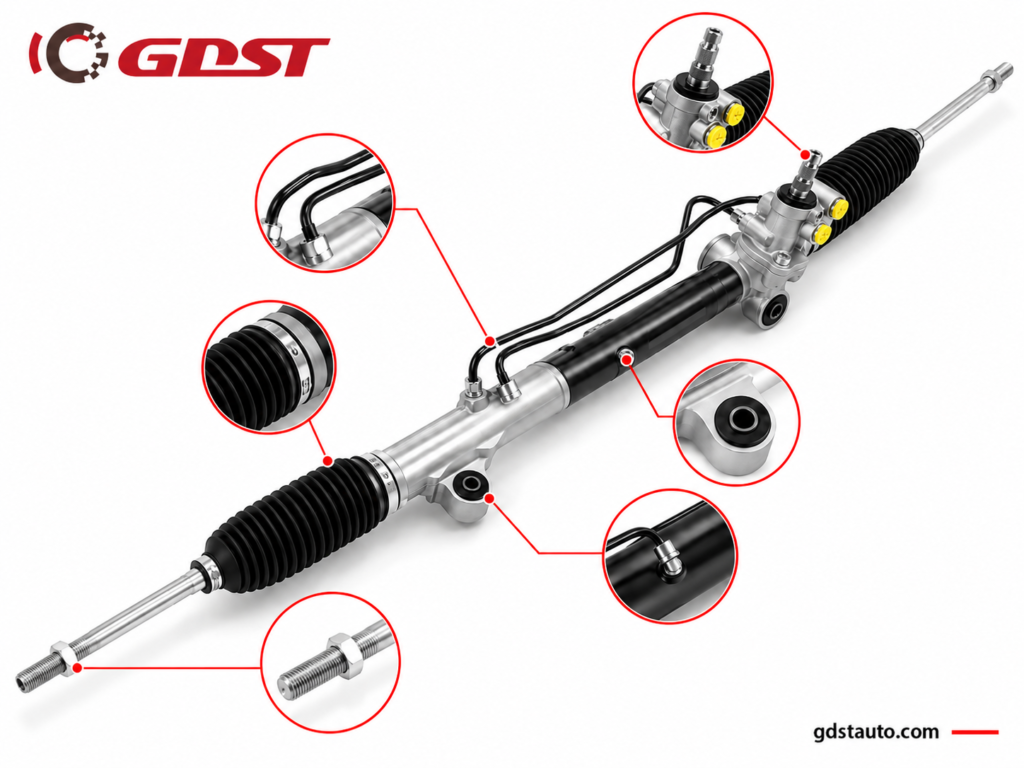
Source hydraulic power steering racks and rack-and-pinion assemblies for the automotive aftermarket from GDST Auto Parts. Wuhu GDST Auto Parts Co., Ltd. supports importers, wholesalers, distributors, and private-label brands with product matching, bulk supply, and customized packaging options.
Whether you are expanding your steering parts catalog or sourcing replacement hydraulic steering racks for established applications, our team can review your OE number, aftermarket part number, vehicle information, photographs, or physical sample to help identify a suitable product.
GDST’s overall steering rack catalog covers more than 4,000 models across manual, hydraulic, and electric steering categories. Hydraulic model availability and technical specifications must be confirmed for each requested application.
|
OEM NO. |
Car Brand |
|
44200-60022 |
Toyota Prado 3400 1996-2008 |
|
44200-35061 |
Toyota Prado 2700/4000 2002-2010 |
|
44250-08020 |
Toyota Sienna 2000-2003 |
|
44200-48080 |
Lexus RX300/RX330/RX350 |
|
44250-0K800 |
Toyota Revo 2WD 2015- |
|
45510-12460 |
Toyota Corolla ZZE141 2007-2014 |
|
44200-60090 |
Land Cruiser 4700 2003-2007 |
|
44200-60130 |
Land Cruiser 5700 2007- |
|
44250-48031 |
LEXUS RX300 2000-2003 |
Hydraulic Steering Rack Solutions for the Automotive Aftermarket
A hydraulic power steering rack combines rack-and-pinion steering mechanics with hydraulic assistance. Its design must coordinate mechanical interfaces, hydraulic connections, and steering geometry to operate correctly in the intended vehicle.
For automotive aftermarket buyers, selecting the correct replacement rack involves more than matching the vehicle make. Steering type, model year, market specification, OE reference, mounting dimensions, input shaft connections, and hydraulic port configuration can all affect compatibility.
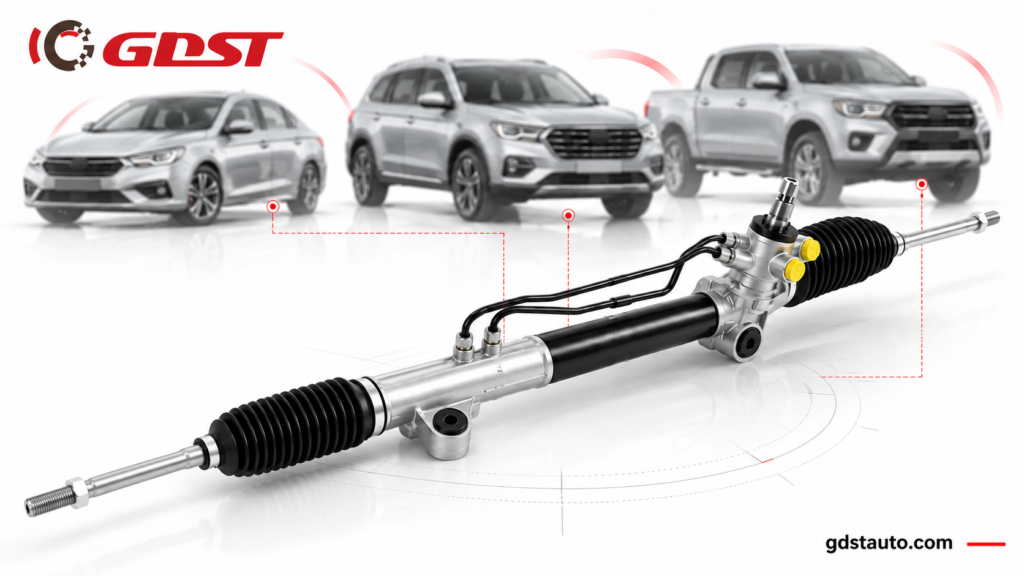
GDST supports steering rack sourcing across Japanese, Korean, European, American, and other vehicle applications within its overall catalog. Please submit your target OE references to confirm which hydraulic steering rack models are available for your product line.
GDST Steering Rack Supply Information
|
Item |
Published information and purchasing guidance |
|
Product categories |
Manual, hydraulic, and electric steering racks |
|
Overall catalog |
4,000+ steering rack models across all types |
|
Product matching |
OE number, aftermarket part number, vehicle details, photographs, or sample |
|
Standard MOQ |
100 pieces per model on the published steering rack page; confirm the requested SKU |
|
Standard lead time |
Approximately 40–45 days on the published steering rack page; subject to confirmation |
|
Warranty |
One year after receipt of goods, subject to applicable warranty terms |
|
Private-label service |
Product marking, labels, and customized packaging options |
|
Technical documentation |
Drawings and applicable inspection records can be discussed for the requested model |
The catalog size refers to the overall steering rack range, not the number of hydraulic models alone. Commercial terms and documentation availability should be confirmed in the quotation.
What Is a Hydraulic Power Steering Rack?
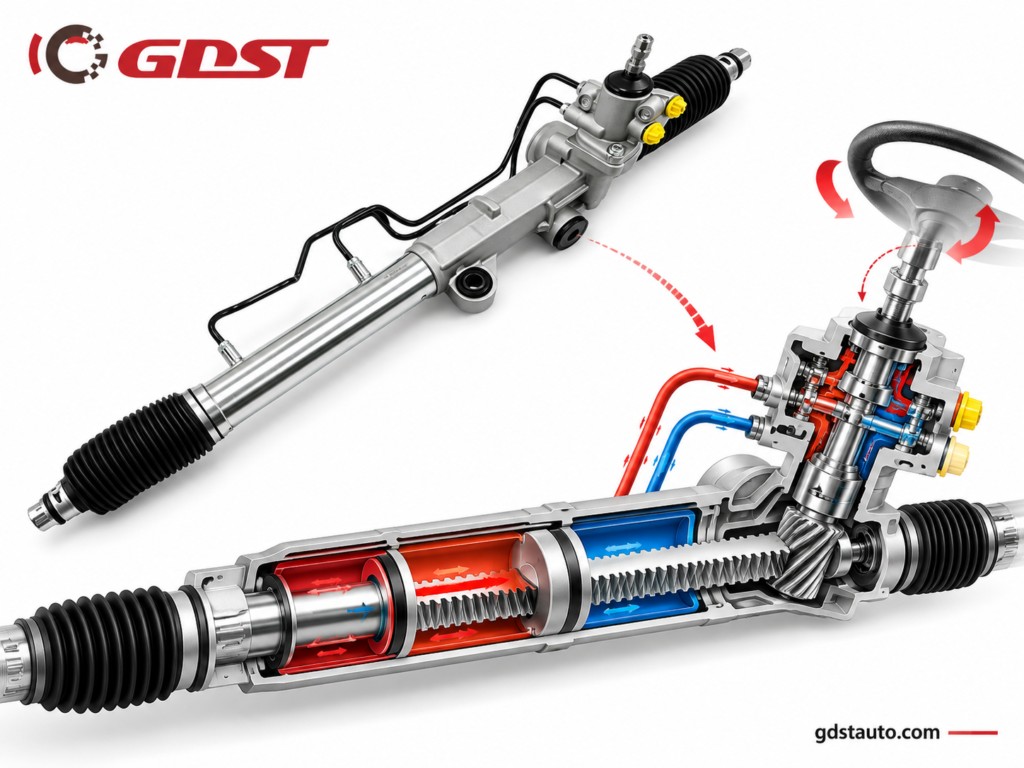
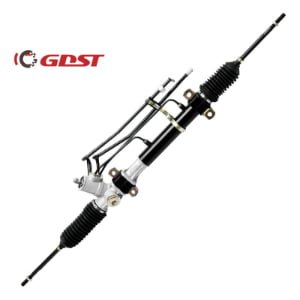
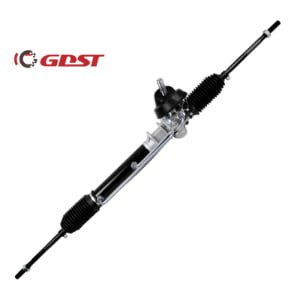
A hydraulic power steering rack is a steering assembly that combines a mechanical rack-and-pinion mechanism with hydraulic assistance. It is used in vehicles equipped with a hydraulic power steering (HPS) system.
The pinion gear converts steering shaft rotation into linear rack movement. Hydraulic pressure acting on an internal piston assists rack movement, reducing the steering effort required from the driver.
Research on hydraulic power steering systems has examined the interaction between the mechanical steering mechanism, rotary spool valve, hydraulic supply lines, pump characteristics, and friction. These elements collectively influence system response and steering behavior.
A typical hydraulic rack-and-pinion assembly may include:
- A rack bar and pinion shaft for mechanical motion transmission.
- A hydraulic cylinder and piston integrated into the rack assembly.
- A rotary or spool control valve that directs hydraulic fluid according to steering input.
- Seals and O-rings that help maintain hydraulic separation and prevent fluid leakage.
- Hydraulic ports for connection to the applicable pressure and return lines.
- Mechanical interfaces for the steering column and steering linkage.
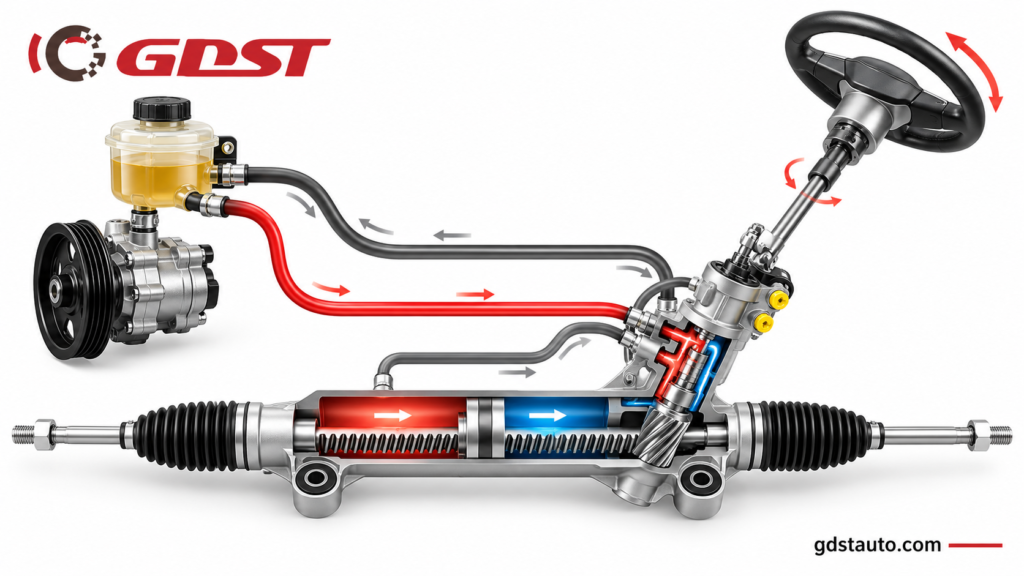
The exact construction varies by application. The steering pump, reservoir, and external hoses belong to the surrounding hydraulic system and should not automatically be assumed to be included in the rack assembly.
How Does Hydraulic Rack and Pinion Steering Work?
Hydraulic rack-and-pinion steering combines mechanical motion transmission with fluid-powered assistance.
1. Steering input
The driver turns the steering wheel, transmitting rotational movement through the steering column and input shaft to the pinion gear.
2. Hydraulic valve response
The control valve responds to steering input and directs fluid to the appropriate side of the hydraulic piston.
3. Hydraulic assistance
Pressure acting on the piston assists rack movement in the required direction, reducing the driver’s steering effort.
4. Mechanical motion conversion
The pinion engages the rack teeth, converting rotational movement into linear movement.
5. Steering linkage movement
The rack moves the connected steering linkage, including the applicable inner tie rods and associated components, to change the direction of the steered wheels.
6. Hydraulic fluid circulation
Fluid circulates through the applicable return circuit, allowing the system to continue providing assistance.
The dynamic behavior of this system depends on both mechanical and hydraulic characteristics. Research has shown that valve geometry, flow-rate variation, hydraulic line behavior, and system friction can affect transient response and vibration.
For replacement purchasing, the key consideration is compatibility between the rack assembly and the vehicle’s original mechanical and hydraulic interfaces.
Main Components of a Hydraulic Power Steering Rack
The following table distinguishes components typically associated with the rack assembly from components that may belong to the external hydraulic circuit.
|
Component |
Primary function |
Buyer verification points |
|
Rack bar |
Converts pinion movement into linear steering movement |
Length, travel, tooth geometry, and mounting configuration |
|
Pinion shaft |
Transfers steering input to the rack |
Spline count, shaft dimensions, and connection type |
|
Hydraulic piston and cylinder |
Converts hydraulic pressure into assisting force |
Design, sealing arrangement, and model-specific requirements |
|
Rotary or spool valve |
Directs fluid according to steering input |
Valve configuration and application compatibility |
|
Seals and O-rings |
Help prevent internal and external hydraulic leakage |
Applicable material, dimensions, and sealing interfaces |
|
Hydraulic ports |
Connect the rack to the vehicle’s hydraulic circuit |
Port position, thread type, and connection dimensions |
|
Inner tie rods or rack ends |
Transfer rack movement to the steering linkage |
Whether included, connection type, and dimensions |
|
Pump, reservoir, and hoses |
Supply, store, and circulate hydraulic fluid |
Whether supplied separately or included in a specified kit |
The exact component list and supply scope depend on the product design. Confirm whether a quotation covers the steering rack assembly alone or a larger package of components.
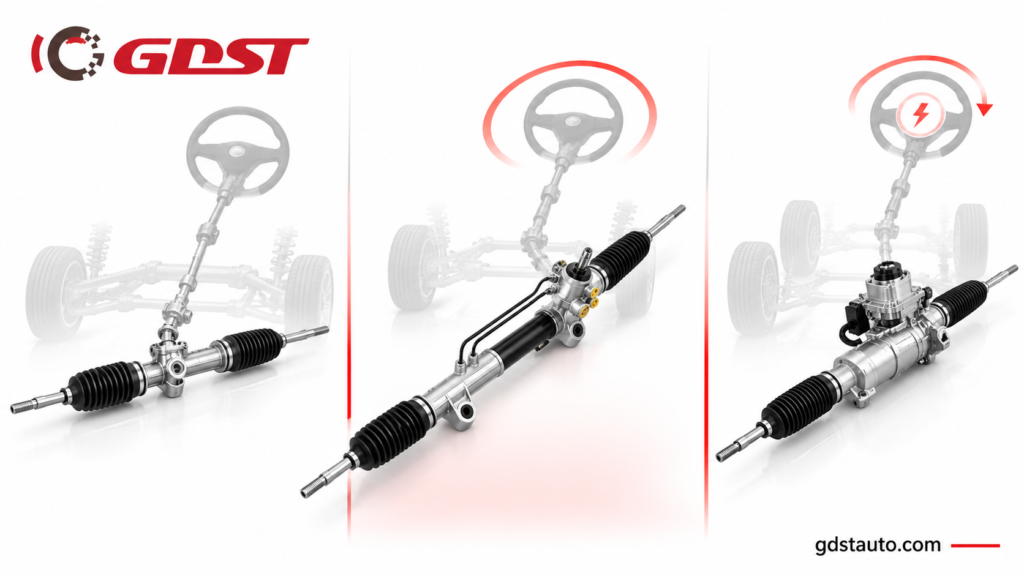
Hydraulic Steering Rack vs. Manual Steering Rack vs. EPS
Manual, hydraulic, and electric steering systems differ in how steering assistance is provided. Understanding these differences helps buyers avoid selecting an incompatible replacement part.
|
Comparison |
Manual steering rack |
Hydraulic power steering rack |
Electric power steering (EPS) rack |
|
Steering assistance |
No powered assistance |
Hydraulic pressure |
Electric motor |
|
Main assistance mechanism |
Mechanical steering mechanism |
Hydraulic pump or applicable hydraulic supply, control valve, and piston |
Electric motor and electronic control components, depending on design |
|
Hydraulic fluid circuit |
No |
Yes |
No hydraulic circuit in a conventional EPS system |
|
Typical maintenance considerations |
Mechanical wear, adjustment, and linkage condition |
Fluid condition, seals, hoses, pump, and hydraulic leakage |
Electrical connections, sensors, motor, and control system |
|
Energy supply |
Driver input |
Conventional HPS generally uses an engine-driven pump; other configurations may use electric pump drive |
Electrical power |
|
Replacement compatibility |
Must match the original mechanical system |
Must match the original hydraulic system and interfaces |
Must match the original electric steering architecture |
|
Key sourcing requirement |
Mechanical dimensions and linkage |
OE reference, hydraulic connections, rack dimensions, and steering configuration |
OE reference, electrical and mechanical interfaces, and system configuration |
Electro-hydraulic power steering (EHPS) uses an electric motor to drive a hydraulic pump while retaining hydraulic assistance. Conventional EPS instead uses an electric motor to provide assistance directly through the steering mechanism.
Research into electro-hydraulic steering architectures illustrates that mechanical, hydraulic, and electrical parameters can interact to affect energy consumption and steering behavior . These systems should not be treated as interchangeable simply because they perform the same broad steering-assistance function.
No single steering architecture is universally superior for every vehicle. For replacement parts, the original system type and confirmed part compatibility take priority over general comparisons.
Hydraulic Steering Rack Specifications and Fitment Checks
Hydraulic steering rack specifications vary by vehicle and part number. Before confirming an order, buyers should verify the applicable drawing, OE reference, and installation interfaces.
|
Specification or fitment item |
Information to confirm |
|
OE number and cross-reference |
Original equipment number and applicable aftermarket references |
|
Vehicle application |
Make, model, model year, market, and relevant configuration |
|
Steering type |
Confirm that the original vehicle uses hydraulic rack-and-pinion steering |
|
Steering position |
Left-hand drive (LHD) or right-hand drive (RHD) |
|
Input shaft |
Spline count, dimensions, and connection configuration |
|
Mounting points |
Mounting positions, hole spacing, and applicable dimensions |
|
Hydraulic connections |
Port position, thread specifications, and connection type |
|
Rack travel and steering ratio |
Model-specific values, where available |
|
Steering linkage |
Inner tie rods, rack ends, and other included components |
|
Supply scope |
Rack assembly alone or an explicitly specified component package |
|
Packaging |
Standard packaging or approved private-label requirements |
These are fitment verification items, not universal product specifications.
Research on rack-and-pinion steering linkages has demonstrated that manufacturing tolerances, assembly errors, and clearances can influence steering kinematics and steering error . For this reason, dimensional acceptance criteria must be based on the applicable product drawing and inspection specification rather than a generic industry-wide dimension.
If your existing part number is unavailable, provide photographs of the steering rack, OE label, mounting points, input shaft, and hydraulic connections. These details can assist an initial assessment, although photographs alone may not establish interchangeability.
Hydraulic Steering Rack Applications and Product Selection
GDST’s overall steering rack range includes applications for Japanese, Korean, European, American, and other vehicle markets. Availability of an individual hydraulic rack must be confirmed against the requested part number and vehicle configuration.
When evaluating a replacement steering rack, confirm:
- Whether the original vehicle uses hydraulic, electric, or manual steering.
- Whether the requested part matches the vehicle’s model year and market.
- Whether the steering configuration is LHD or RHD.
- Whether mounting points, input shaft connections, and steering linkage interfaces match.
- Whether the hydraulic ports match the vehicle’s existing lines.
- Whether the quotation includes the complete assembly or only specified components.
For distributors managing multiple part numbers, submitting a consolidated OE list can simplify sourcing. The team can review the requested applications and confirm model availability, MOQ, lead time, and packaging requirements.
Hydraulic Steering Rack Performance Testing
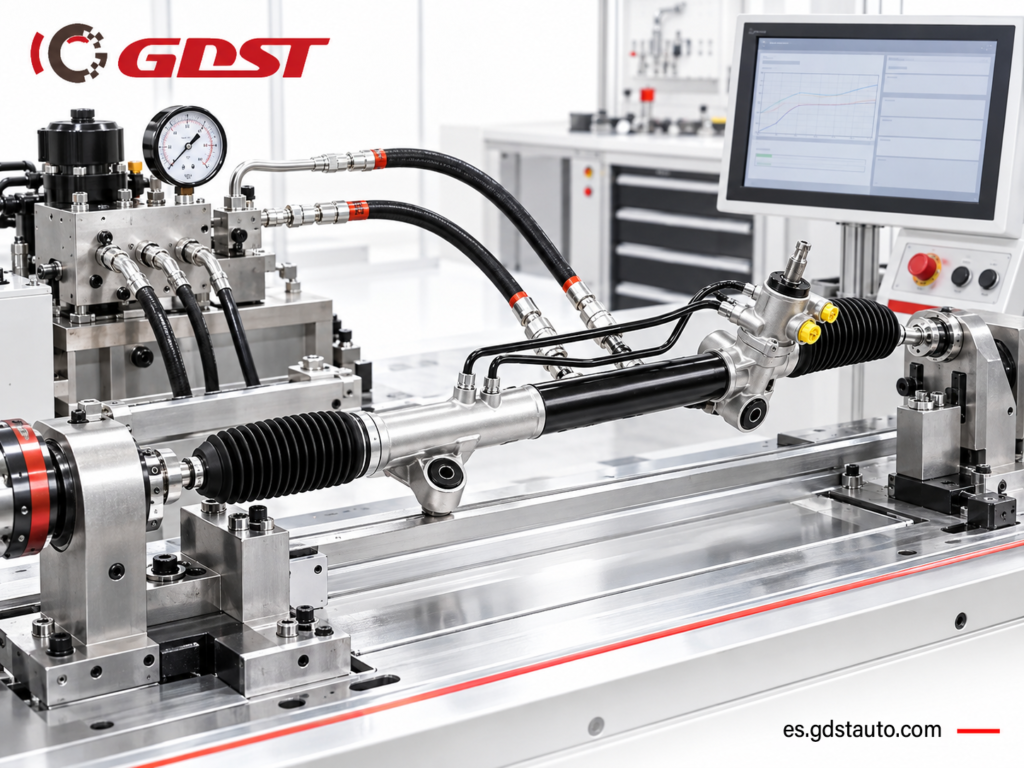
Hydraulic steering performance depends on the interaction between mechanical components and the hydraulic assistance system. Research has investigated how control-valve geometry, flow-rate variation, hydraulic supply lines, and friction influence system dynamics.
GDST has a documented hydraulic steering performance test report for product reference 8780, product code DBG, dated September 20, 2026. The report records the following test conditions and measured results.
Representative Hydraulic Performance Test Record
|
Test item |
Recorded result |
|
Product reference |
8780 |
|
Product code |
DBG |
|
Test report date |
September 20, 2026 |
|
Test flow rate |
6.00 L/min |
|
Test pressure |
8.00 MPa |
|
Total steering turns |
3.22 turns |
|
Maximum no-load torque |
Left: 2.14 N·m; Right: -1.972 N·m |
|
No-load starting torque |
Left: 0.43 N·m; Right: 0.274 N·m |
|
Return time |
Left: 2.91 s; Right: 2.92 s |
|
Return force |
Left: 611 N; Right: 600 N |
|
Maximum functional steering torque |
Left: 4.67 N·m; Right: -4.35 N·m |
|
Functional steering torque starting value |
Left: 0.22 N·m; Right: 0.22 N·m |
|
Overall recorded result |
Pass |
The torque signs above are reproduced from the original report. Direction conventions should be retained when comparing results or reviewing test data.
The report records an overall passing result for the tested product under its applicable test conditions. These measurements are specific to the documented test and must not be interpreted as universal specifications, guaranteed limits, or acceptance criteria for every hydraulic steering rack model.
The report also contains a force-characteristic conformity percentage, a temperature entry, and left/right leakage-quantity readings. Those fields should be published only after the measurement definitions, temperature-field meaning, leakage classification, and applicable acceptance limits have been confirmed against the controlled test procedure.
Steering Returnability and Torque Characteristics
Steering returnability is influenced by the combined behavior of the steering mechanism and other vehicle-system parameters. Experimental research has investigated how frictional resistance affects steering returnability, while vehicle-dynamics research has examined the influence of steering-system friction and steering ratio on steering response and steering feel.
For replacement steering racks, return-time and torque measurements should therefore be interpreted against the applicable test conditions and product specification. Measurements from one model should not be transferred to another without verification.
Quality Control from Components to Finished Assembly
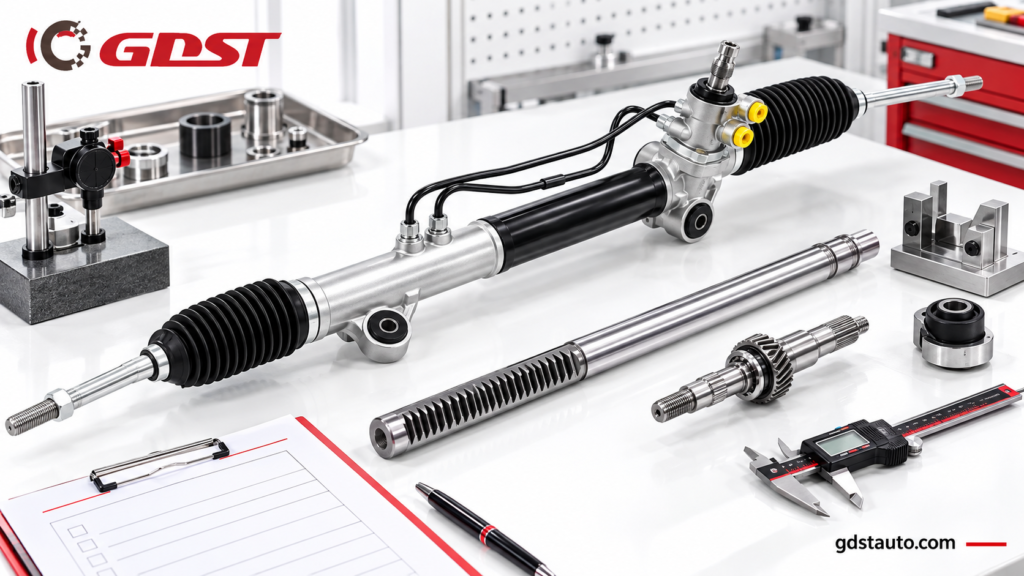
Steering rack quality depends on dimensional accuracy, correct component assembly, suitable material processing, and appropriate functional inspection.
GDST’s available inspection records cover individual component dimensions, gear metallographic inspection, incoming inspection of selected components, and hydraulic performance testing. These records illustrate different inspection activities; they should not be interpreted as one continuous traceability chain unless the relevant part numbers and production records establish that relationship.
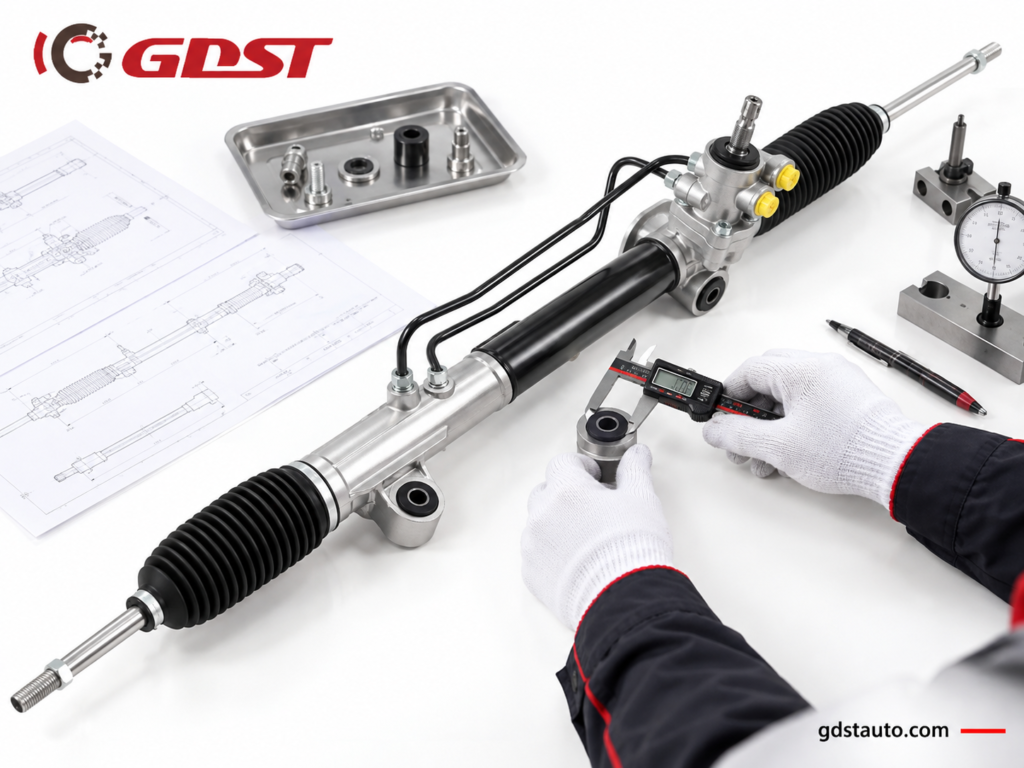
Component-Level Dimensional Inspection
Machined steering components require dimensional verification against their applicable drawings.
|
Component inspection record |
Inspection areas documented |
Recorded outcome |
|
Steering rack housing |
Rack and gear bores, overall length, diameters, threaded features, and other drawing dimensions |
All 18 listed inspection items marked conforming |
|
Rack bar |
Overall length, internal diameters, threads, thread depth, coaxiality, cylindricity, and other drawing-specific features |
All 22 listed inspection items marked conforming |
|
Pinion shaft |
Shaft diameters, dimensional distances, and coaxiality-related checks |
All 7 listed inspection items marked conforming |
The supplied records are dated June 28, July 27, and July 28, 2026, respectively. Each is a separate component inspection record.
These results demonstrate that the listed dimensional inspection items were recorded as conforming in the respective reports. The exact dimensional requirements vary by part number and must be checked against the applicable drawing.
Gear Heat Treatment and Metallographic Inspection
Heat treatment changes the microstructure and mechanical properties of steel. Research on quenched 40Cr steel has examined how quenching conditions affect its microstructure and hardness, while gear research has demonstrated that material and microstructural characteristics can influence gear load-carrying behavior.
GDST’s available metallographic inspection report documents the following results for a submitted gear specimen.
|
Inspection item |
Documented information |
|
Specimen |
Gear |
|
Material designation |
40Cr |
|
Heat-treatment process identified |
Gear-tooth quenching |
|
Specified metallographic grade range |
Grade 4–6 |
|
Recorded martensite grade |
Grade 4–5 |
|
Standard cited in the report |
JB/T 9204-2008 |
|
Recorded result |
Pass |
|
Report date |
July 6, 2026 |
The report explicitly states that its result applies only to the tested specimen. It should not be interpreted as proof that every GDST gear uses the same material, heat-treatment process, or metallographic grade.
The cited research explains general relationships between heat treatment, microstructure, and material behavior. It does not independently verify the performance, strength, or service life of the gear specimen in GDST’s report.
Incoming Inspection of Rubber-Bonded Mounting Components
Incoming inspection records for rubber-bonded mounting components include dimensional checks and surface-hardness inspection.
These checks help verify selected component characteristics against the applicable drawing and material requirements. Exact hardness values should be stated only after the relevant material specification, drawing revision, and acceptance criteria have been reconciled.
Finished Assembly Inspection
Final assembly inspection helps verify that the assembled steering rack meets the applicable drawing and assembly requirements.
Depending on the product design and inspection plan, relevant checks may include:
- Visual condition, burrs, and surface defects.
- Mounting dimensions and threaded connections.
- Dust boots, clamps, and associated components.
- Adjustment hardware and applicable sealing checks.
- Hydraulic port condition and thread verification.
- Product identification and marking.
- Overall assembly dimensions and functional movement.
The inspection scope depends on the specific model and drawing. Ask GDST to confirm the applicable inspection items and available records for the product under quotation.
Hydraulic Steering Rack Quality Documentation
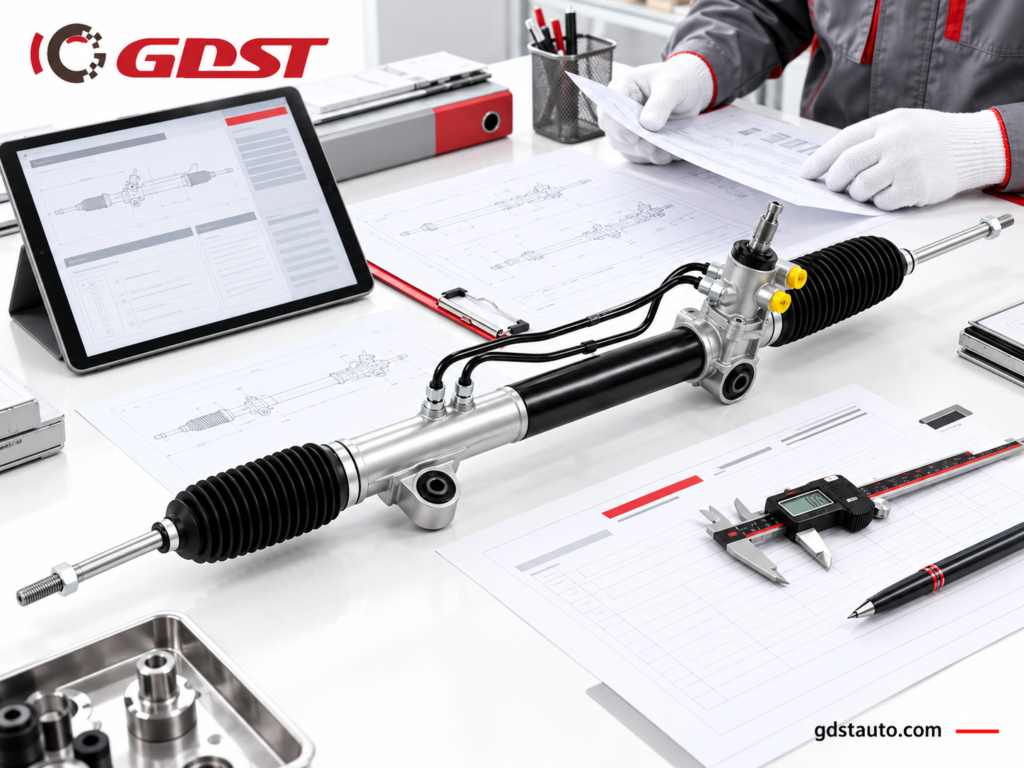
Quality documentation can help distributors and aftermarket brands evaluate a supplier, review product requirements, and establish their own product approval procedures.
GDST’s available records include hydraulic performance testing, dimensional inspection of steering components, and metallographic inspection of a gear specimen. The team can confirm which documents are applicable to the requested model.
Depending on the product and inspection plan, buyers may request:
- Applicable dimensional inspection records.
- Hydraulic performance test records.
- Relevant material or metallographic inspection records.
- Finished-assembly inspection records.
- Applicable quality management certificates and their scope.
- Technical drawings or sample-based fitment documentation.
Document availability depends on the model, production batch, and applicable inspection plan. A report for one component or specimen should not automatically be treated as evidence for every product in the catalog.
Request Product and Quality Documentation
To help identify the applicable records, please provide your OE number or aftermarket part number, vehicle application, and required quantity.
For supplier qualification or new product development, you may also specify required inspection documents, technical drawings, sample approval requirements, and packaging arrangements.
Contact GDST to confirm hydraulic steering rack availability, fitment information, and the quality documentation applicable to your order.
OEM and Private-Label Hydraulic Steering Rack Supply
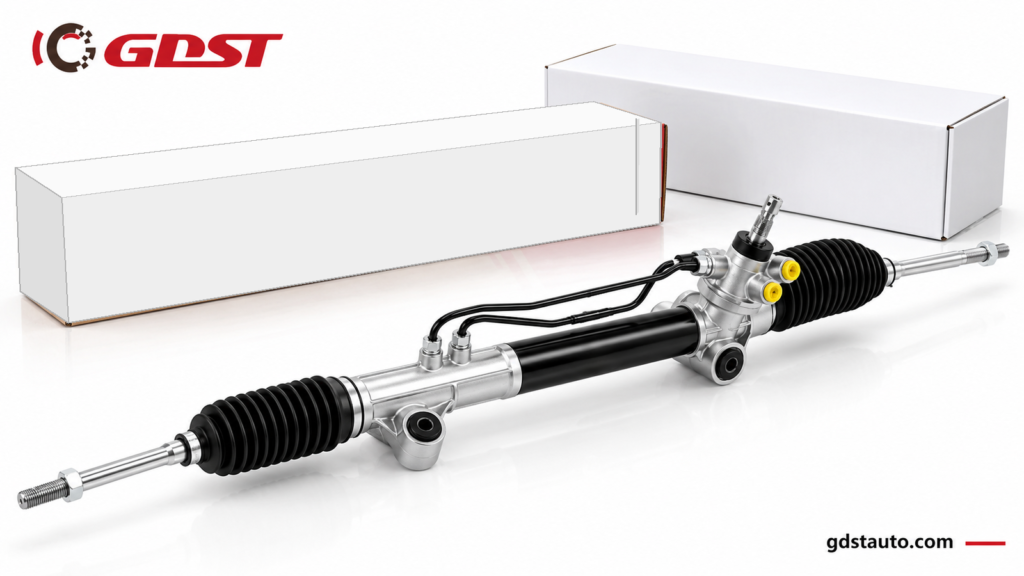
For importers, wholesalers, and aftermarket brands, correct fitment is only one part of a successful sourcing program. Product identification, packaging, and consistent order management also matter.
GDST’s published steering rack information describes OEM/ODM and private-label options, subject to confirmation for the selected product and order.
Potential customization requirements include:
- Product marking with an agreed brand or part number, where supported.
- Customized product labels and identification.
- Branded packaging bags or boxes.
- Packaging artwork and product information for the destination market.
- Product and packaging requirements for new sourcing projects.
To evaluate a private-label project, provide your target model list, brand requirements, packaging artwork, estimated quantities, and destination market. Packaging minimums and customization feasibility should be confirmed before the order is finalized.
MOQ, Lead Time, and Warranty
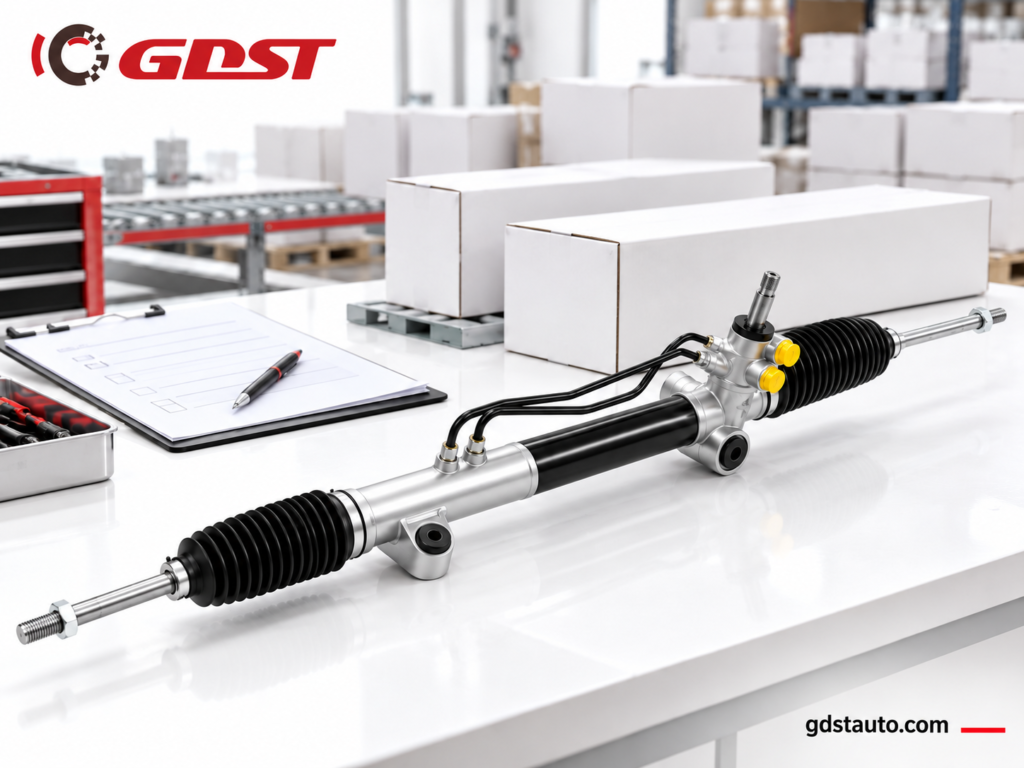
GDST’s published steering rack page lists the following standard commercial information. Actual terms should be reconfirmed in the quotation.
|
Commercial item |
Published information |
Confirmation required |
|
Minimum order quantity |
100 pieces per model |
Confirm the requested SKU and any special packaging |
|
Standard production lead time |
Approximately 40–45 days |
Confirm production schedule, quantity, and customization |
|
Warranty |
One year after receipt of goods |
Confirm the applicable warranty terms |
|
Product range |
Manual, hydraulic, and electric steering racks |
Confirm availability of each requested hydraulic model |
|
Private-label service |
Customization options available |
Confirm artwork, marking, packaging, and MOQ |
How to Order Hydraulic Steering Racks from GDST
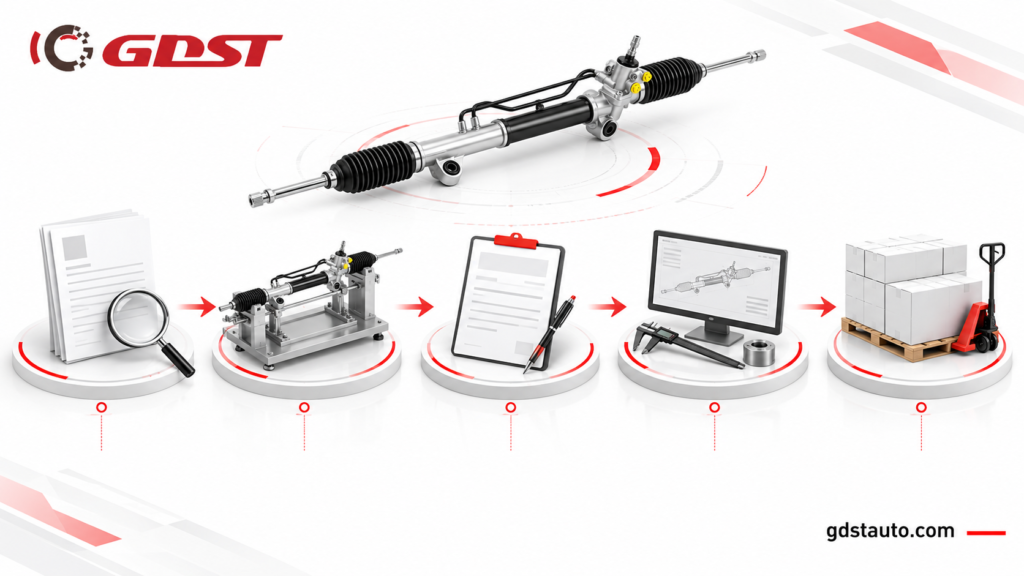
Request a Hydraulic Steering Rack Quote
- OE number or aftermarket part number.
- Vehicle make, model, year, and market.
- LHD or RHD configuration.
- Required quantity per model.
- Product photographs or sample availability.
- Private-label and packaging requirements.
- Destination country and any specific documentation needs.
Frequently Asked Questions About Hydraulic Steering Racks
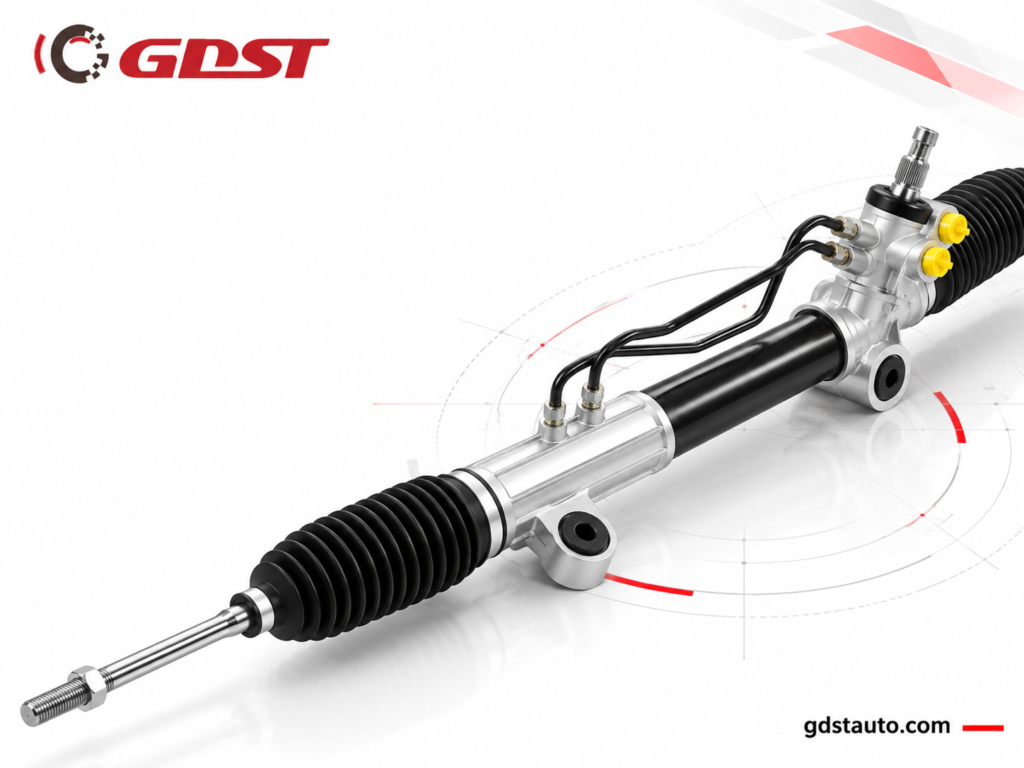
A hydraulic steering rack is a rack-and-pinion steering assembly that uses hydraulic pressure to assist rack movement. It reduces steering effort while converting steering input into the movement required to change the direction of the wheels.
Not exactly. Rack and pinion describes the mechanical transmission mechanism. Hydraulic power steering describes the method of assistance. A hydraulic power steering rack combines rack-and-pinion transmission with hydraulic assistance.
Not necessarily. These are components of the surrounding hydraulic system and may be supplied separately. Confirm the exact supply scope in the quotation.
Provide the OE number or part number, vehicle make, model year, market, LHD/RHD configuration, and photographs or a sample where available. Mounting dimensions, input shaft connections, and hydraulic ports may also require verification.
Availability depends on the requested model and vehicle configuration. Submit the OE reference and steering position so the team can check the applicable product.
GDST’s published steering rack page lists a standard MOQ of 100 pieces per model. Confirm the applicable MOQ for your requested SKU and any private-label packaging requirements.
The published steering rack page lists approximately 40–45 days. Actual timing depends on the model, order quantity, production schedule, and customization.
GDST has a documented hydraulic steering performance test record. Please provide the required part number so the team can confirm whether an applicable report is available for your requested model.
No. Results depend on the product design, test conditions, and applicable acceptance criteria. Measurements from one product should not be applied to another model without verification.
Sample-based development can be evaluated for applicable steering rack projects. Send the sample and available OE references for an initial feasibility review. Development scope and commercial terms must be agreed for the individual project.
GDST publishes private-label options for steering racks, including product marking and customized packaging. Availability, artwork requirements, and any additional MOQ should be confirmed for the selected product and order.
Not automatically. Hydraulic and electric systems use different assistance architectures and may have different mechanical, electrical, or hydraulic interfaces. Replacement parts should match the original vehicle configuration and confirmed part reference.
Quality Assurance
Every product undergoes rigorous testing and inspection to ensure reliability and performance
Material Inspection
Premium steel from certified suppliers with full traceability
Performance Testing
Fatigue, torque, and stress testing per OE standards
Dimensional Control
Tolerance control for precise OE fitment
Final Inspection
100% inspection before shipment