
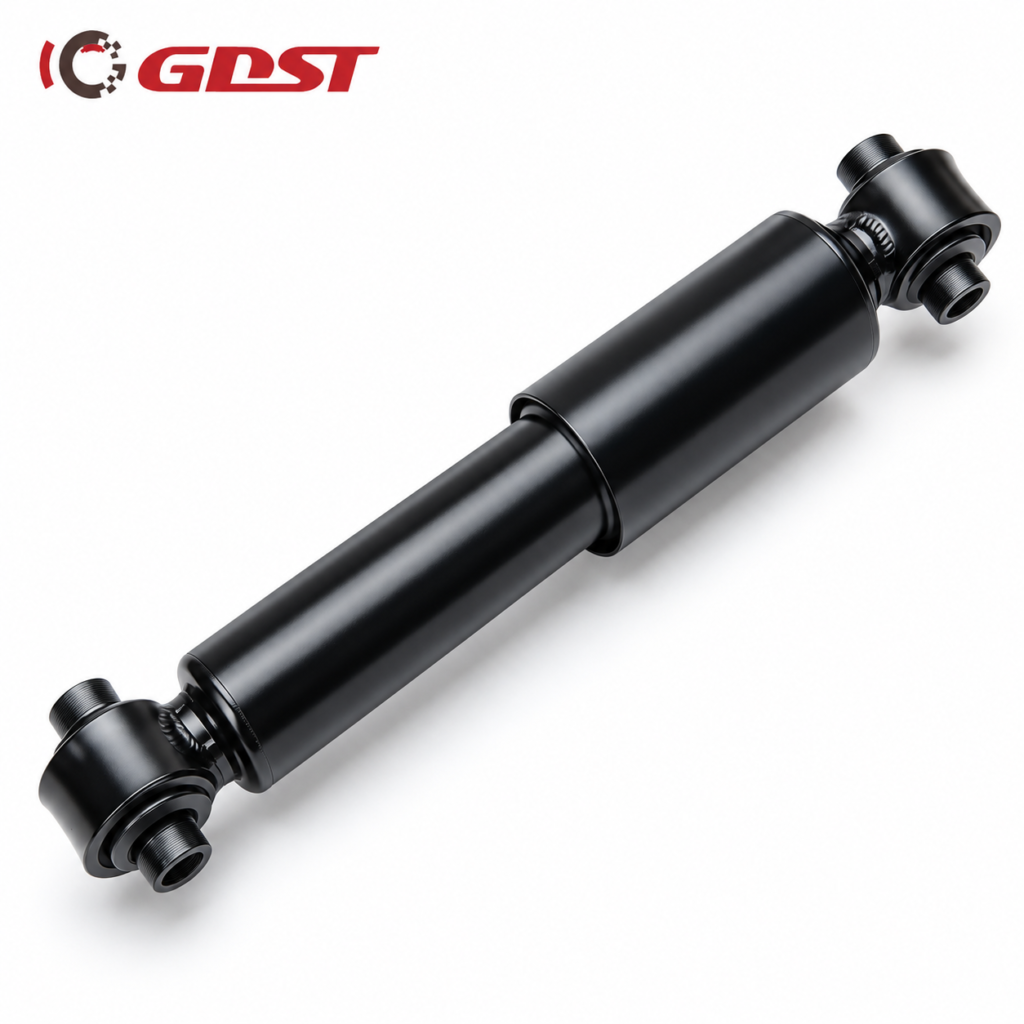
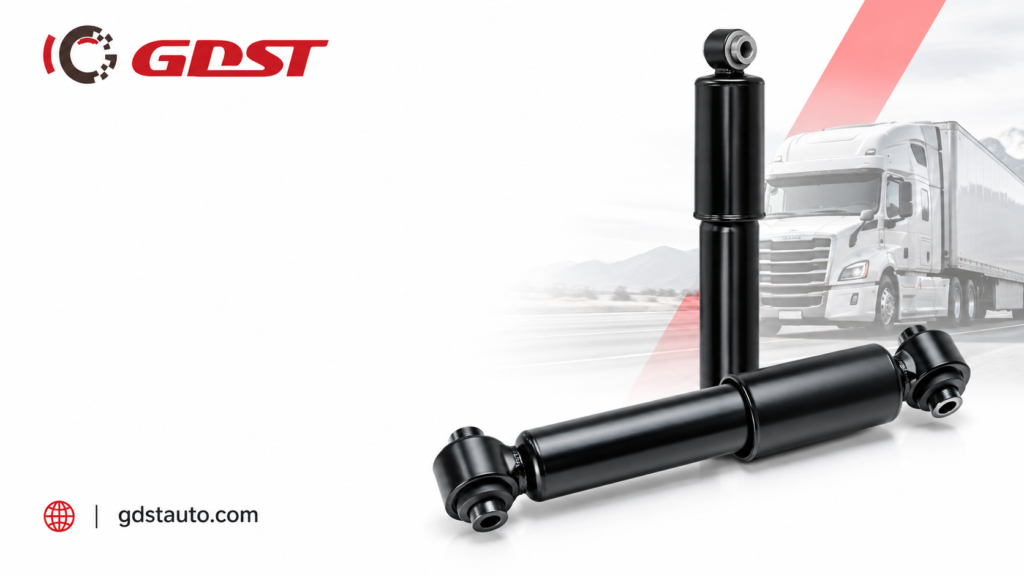
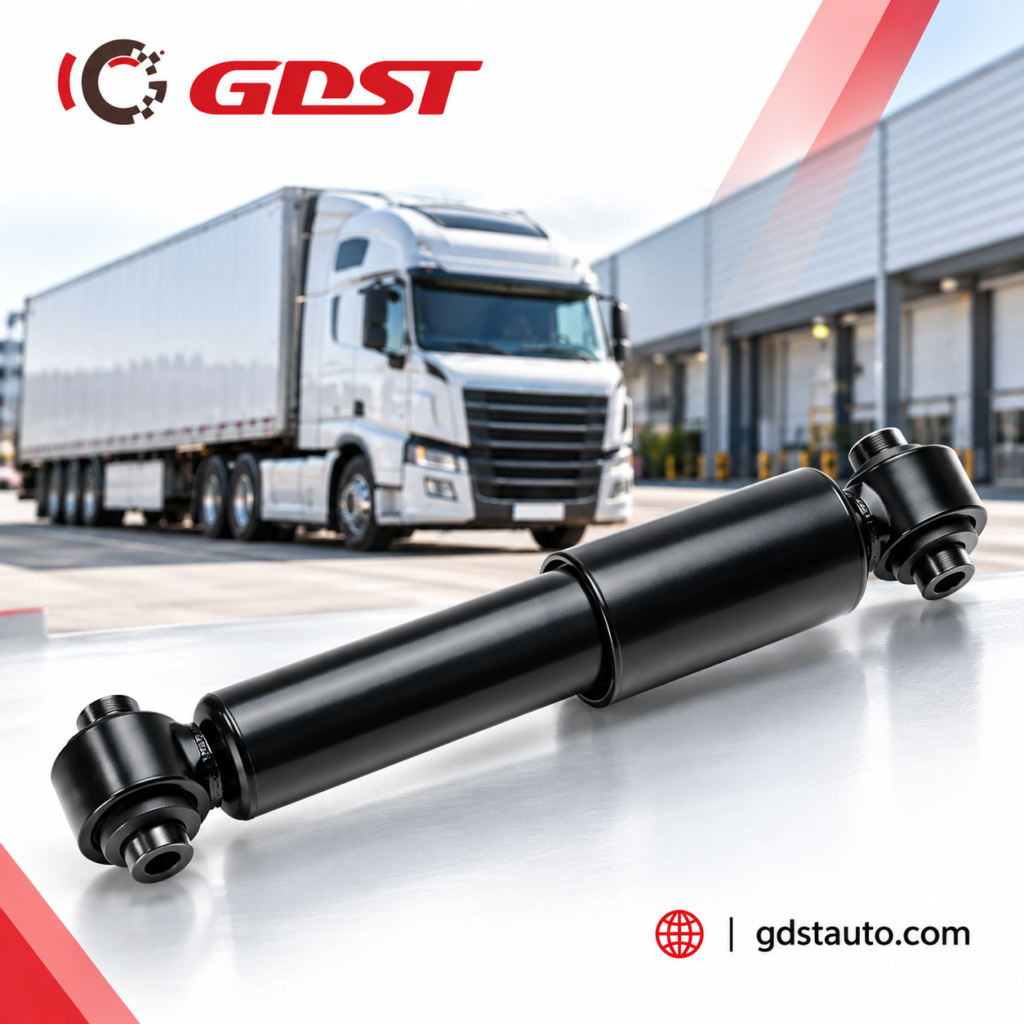
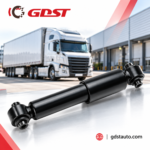
Heavy Duty Truck Shock Absorbers for Commercial Vehicle Aftermarket
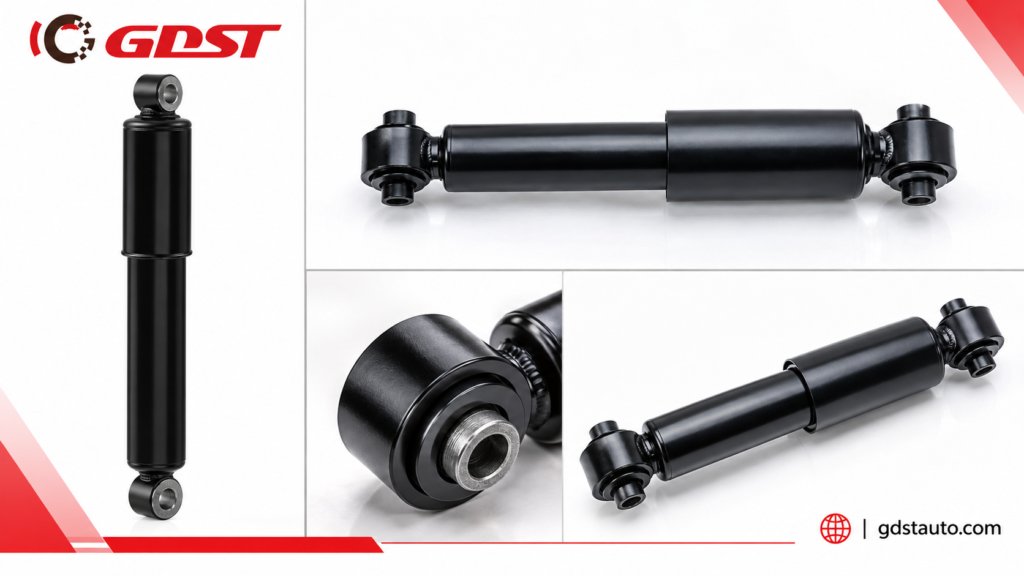
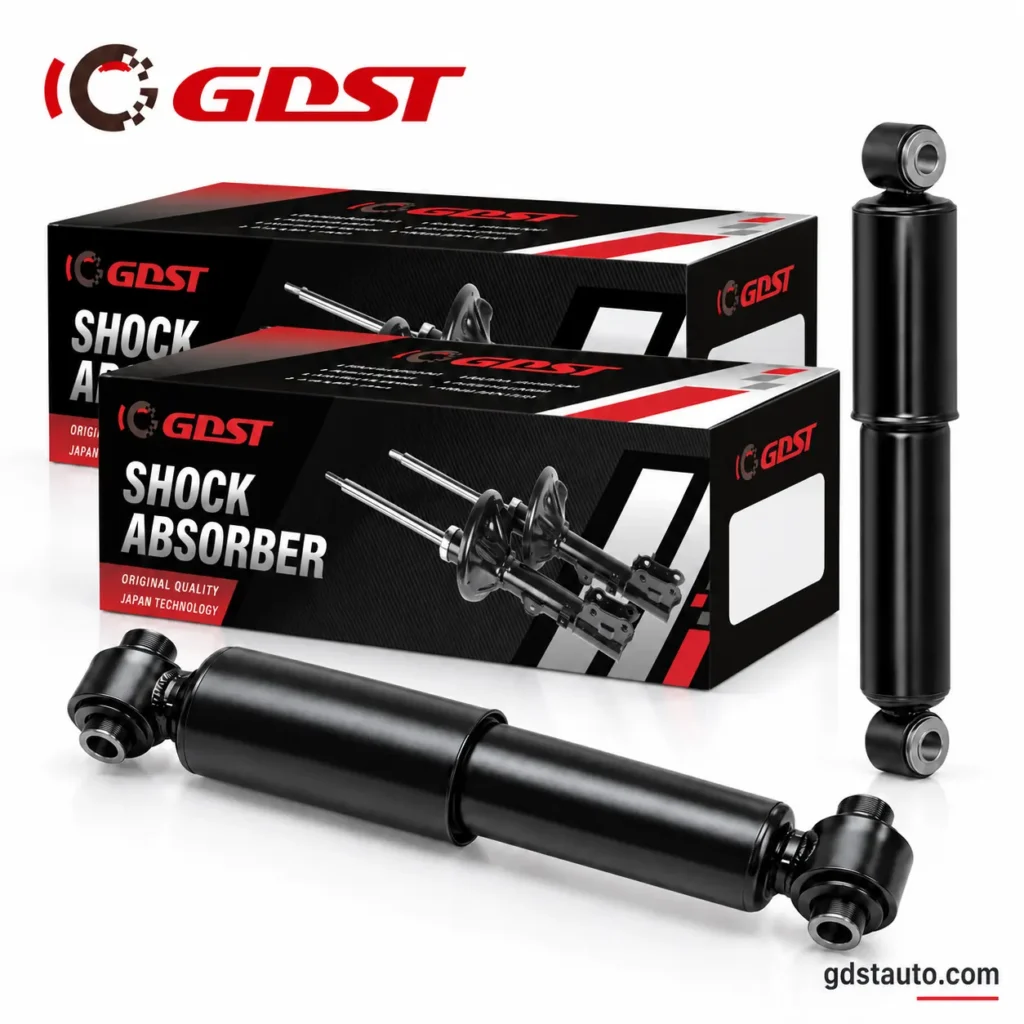
- MOQ
- 50PCS
- Price
- $6 - $25
- Warranty
- 1 Year From Receipt of Goods
- Delivery Time
- 45-55 Days
- Customization
-
- Customized Logo
- Customized Packaging
- ODM/Sample Development
ISO9001 Certified
Fast Delivery
OEM/ODM
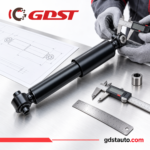
Looking for heavy duty truck shock absorbers for your commercial vehicle aftermarket business?
Wuhu GDST Auto Parts Co.,Ltd supports automotive aftermarket customers with shock absorber sourcing, technical data review, and product development services. We work with importers, wholesalers, distributors, and automotive brands seeking suspension components for their product programs.
Whether you need replacement heavy duty truck shocks, technical specifications for a particular part number, or a supply partner for a new aftermarket product range, our team can help review your requirements and identify the information needed to confirm a suitable solution.
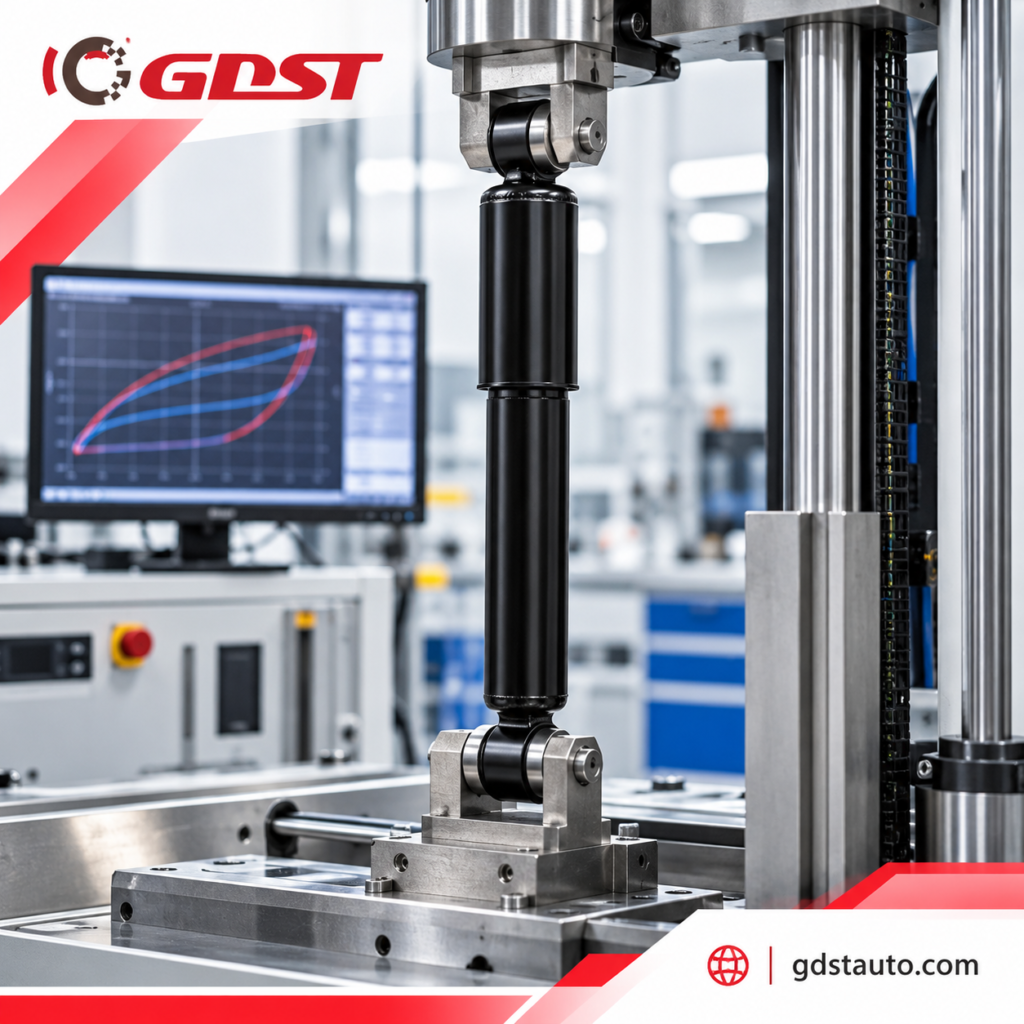
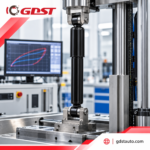
For selected shock absorber models, available technical documentation includes damping force characteristics, test conditions, part identification, and other model-specific specifications.
Tell us what you need:
-
- OE or reference part number
- Truck make, model, and year
- Required installation position
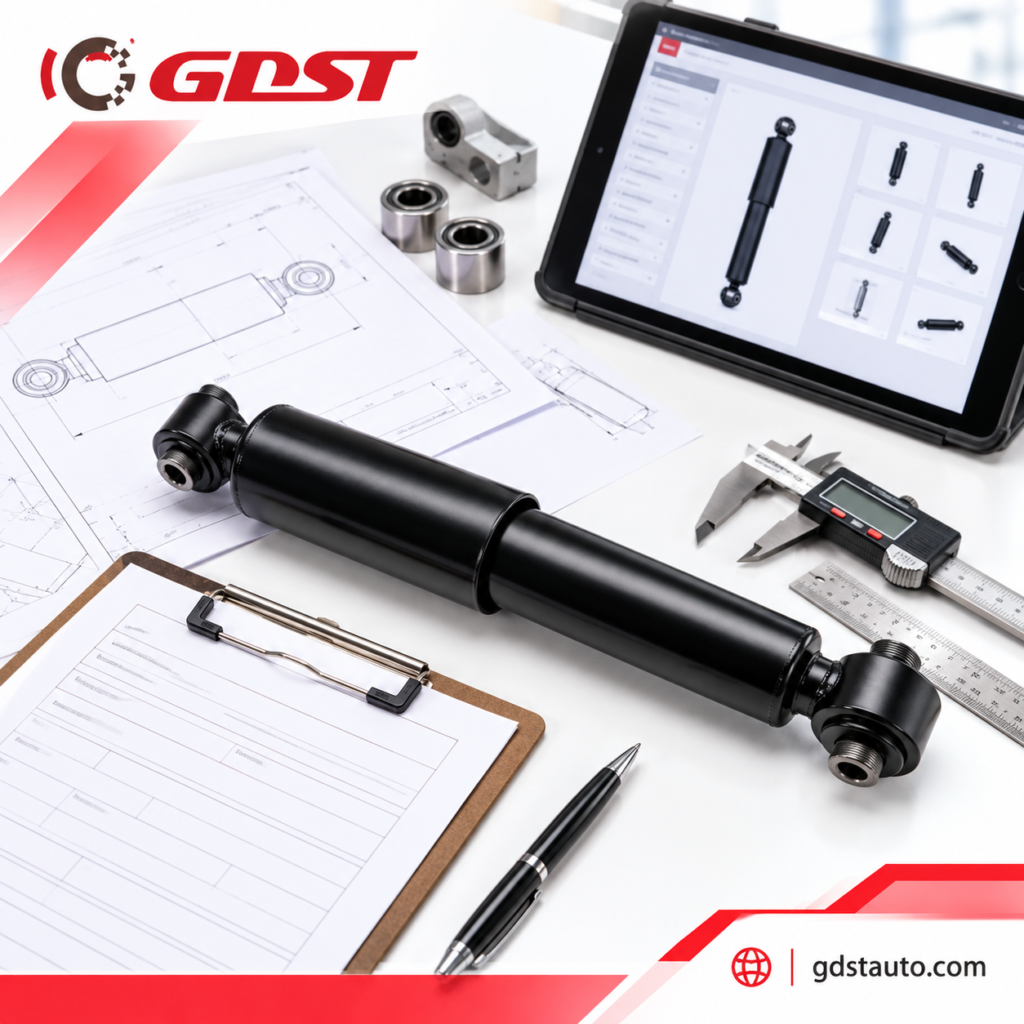
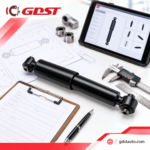
- Existing part photographs or technical drawings
- Estimated order quantity and target market
Recommended Products
|
Application |
Car Model |
OEM |
Position |
|
Nissan |
Datsun Truck (Pick up) |
5621001G00 |
R |
|
Mitsubishi |
L400 / Space Gear |
MR112385 |
R |
|
Mitsubishi |
L300, Delica |
MB339213 |
R |
|
Toyota |
Picnic, Ipsum |
4853144020 |
R |
|
Renault |
Laguna II (K74_) |
8200108182 |
R |
|
Renault |
Kangoo |
7702225147 |
R |
|
Renault |
R19 |
7700789511 |
R |
|
Suzuki |
Sierra |
4170082CA0 |
R |
|
Mitsubishi |
L200 / Forte |
MB111214 |
R |
|
Mitsubishi |
PAJERO V32W 1995-1996 |
MB242118 |
R |
|
Toyota |
Hi Lux |
4853139605 |
R |
Download GDST Truck Shock Absorber Catalog 2026
Heavy Duty Truck Shock Absorbers for Commercial Vehicle Applications
Shock absorbers dissipate energy and control suspension oscillations. Their damping characteristics influence vehicle vibration response, while overall ride comfort, road holding, and suspension travel depend on the interaction of the complete suspension system, tires, vehicle mass, and road conditions.
Research on heavy vehicles has investigated how suspension damping and stiffness affect ride comfort, including studies involving nonlinear suspension dynamics and real-vehicle testing. These findings support evaluating a shock absorber within the context of its intended vehicle and suspension system rather than treating one component specification as a guarantee of overall vehicle performance [1][2].
For commercial vehicle buyers, correct application matching is therefore an important part of replacement sourcing.
Depending on the confirmed product range, sourcing requirements may include:
-
-
- Heavy-duty commercial truck suspension
- Semi-truck and tractor-unit applications
- Truck cab suspension systems
- Front and rear suspension positions
- Compatible commercial trailer applications
- Fleet maintenance and aftermarket replacement programs
-
These are application categories for sourcing inquiries, not a guarantee that every category is covered by every GDST product. Availability and compatibility must be confirmed for the specific part number.
How to Select the Right Heavy Duty Truck Shock Absorber
Selecting a heavy duty truck shock absorber requires more than matching a general vehicle category or choosing a product described as heavy duty.
Research on an 8×4 heavy truck has examined the matching and optimization of suspension damper and stiffness parameters, using vehicle dynamics simulation and real-vehicle testing to evaluate the approach [2]. Research on commercial vehicle suspension has also shown the importance of considering nonlinear damping when analyzing ride comfort and suspension performance [1][3].
For practical sourcing, the following factors should be reviewed.
Vehicle and Part Number Identification
Start with the truck manufacturer, model, model year, suspension configuration, and OE or existing part number wherever possible.
A verified reference number can help narrow the search to the relevant replacement component. If the reference cannot be confirmed, additional vehicle information, photographs, dimensions, or a physical sample may be required.
Mounting Configuration and Dimensions
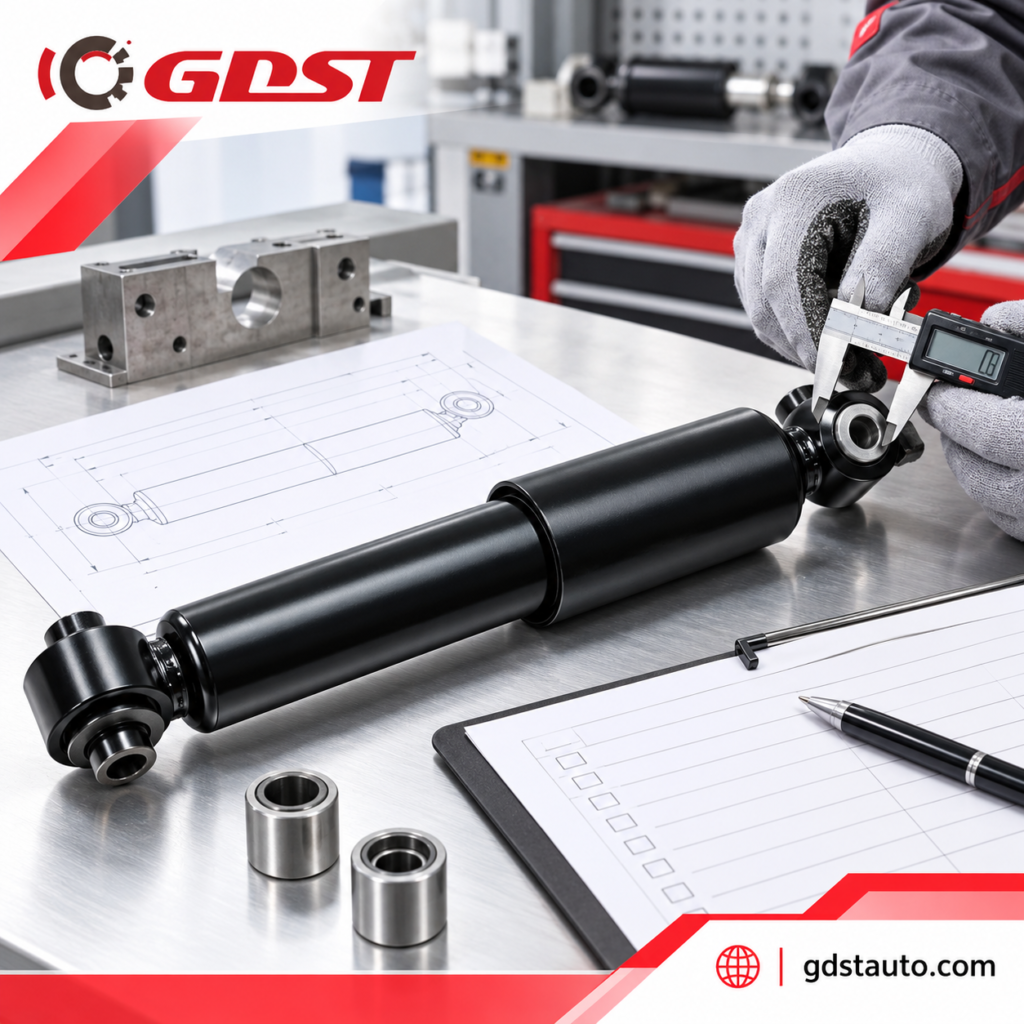
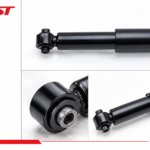
The upper and lower mounting interfaces must match the intended installation points. Compressed length, extended length, and available working stroke should also be verified against the application requirements.
A shock absorber that looks similar to the original may still be unsuitable if its mounting geometry or working travel differs from the required specification.
Final compatibility should be confirmed against the applicable vehicle reference, product drawing, and validated part information.
Damping Characteristics
Rebound and compression damping forces describe the resistance generated during extension and compression, respectively.
Experimental research has characterized shock absorber behavior using relationships among force, velocity, and displacement. Other research has modeled nonlinear and hysteresis behavior using experimentally measured damper data [4][5].
These studies support reviewing damping data under defined test conditions rather than relying on a single nominal force value as a complete description of performance.
Operating Conditions
The intended vehicle application, suspension configuration, operating duty, and maintenance requirements should be considered during selection.
Ride comfort, dynamic tire load, and suspension working space are distinct performance measures used in commercial vehicle suspension research. Optimizing one measure does not automatically establish that every other performance objective has also been optimized [3].
For sourcing decisions, use the original technical specification or validated engineering requirements as the basis for evaluating a replacement.
Heavy Duty Shock Absorber Types and Configuration Options
Shock absorbers can differ in hydraulic design, gas charging, internal construction, valving, and damping characteristics.
The table below provides a general selection framework. Actual construction and availability must be confirmed for the specific GDST product and intended vehicle application.
|
Configuration or application |
What it describes |
What to verify |
|
Hydraulic shock absorber |
Uses hydraulic fluid to generate damping force |
Design specification and vehicle application |
|
Gas-charged shock absorber |
Uses a gas charge as part of the damping system |
Original design and applicable pressure specification |
|
Twin-tube construction |
Uses inner and outer tube chambers |
Construction, dimensions, and application compatibility |
|
Monotube construction |
Uses a single main pressure tube with an internal piston arrangement |
Internal design, mounting dimensions, and application requirements |
|
Axle-mounted shock |
Installed at a designated suspension position |
Axle position, mounting interfaces, and working stroke |
|
Cab shock |
Used in a truck cab suspension system |
Cab suspension design, mounting geometry, and working travel |
|
Trailer shock |
Used in a compatible trailer suspension application |
Trailer suspension design and verified part reference |
These categories describe common engineering and application distinctions. They do not imply that every configuration is available from GDST or suitable for every heavy-duty truck.
Damping Force Characteristics and Technical Documentation
For selected shock absorber models, GDST maintains technical data that identifies the part number, installation position, damping-force specifications, and associated test conditions.
The supplied GDST technical records include the following information:
-
-
- Part number and installation position
- Damping-force test stroke
- Test velocity
- Nominal rebound force and tolerance
- Nominal compression force and tolerance
- Corresponding minimum and maximum force limits
-
In the records reviewed, the specified test stroke is 30 mm, and the test velocity is 0.300 m/s or 0.314 m/s, depending on the part number.
These are model-specific test conditions, not universal specifications for the entire GDST shock absorber range.
Experimental research has demonstrated the value of describing damper characteristics through force–velocity–displacement relationships rather than relying exclusively on a single force value. Research using experimental automotive damper data has also shown that nonlinear and hysteresis effects may need to be considered when modeling damping behavior [4][5].
For buyers, the practical implication is straightforward: damping-force figures should be reviewed together with the applicable test conditions and the specification for the exact part number.
Technical Specifications for Model-Level Review
|
Parameter |
Information recorded or to be confirmed |
Why it matters |
|
Part number |
Specific GDST reference |
Connects the technical data to the correct product |
|
Installation position |
Front or rear, where specified |
Helps identify the intended installation location |
|
Test stroke |
30 mm in the supplied records |
Defines the stroke used in the recorded damping-force test |
|
Test velocity |
0.300 or 0.314 m/s in the supplied records |
Provides context for interpreting the damping-force values |
|
Rebound force |
Model-specific nominal value and tolerance |
Defines the specified rebound damping-force characteristics |
|
Compression force |
Model-specific nominal value and tolerance |
Defines the specified compression damping-force characteristics |
|
Compressed length |
Requires model-specific dimensional data |
Helps establish physical compatibility |
|
Extended length |
Requires model-specific dimensional data |
Helps establish physical compatibility |
|
Working stroke |
Requires confirmation against the application |
Establishes the available mechanical travel |
|
Mounting configuration |
Requires the applicable drawing or specification |
Helps verify the installation interfaces |
|
Vehicle and OE references |
Requires confirmed application data |
Helps determine replacement compatibility |
Technical note: The 30 mm test stroke listed in the supplied technical sheets should not be assumed to represent the shock absorber’s total mechanical working stroke. The compressed length, extended length, and available working stroke should be verified separately using the applicable drawing and test definition.
Not every parameter listed above appears in the supplied technical sheets. Vehicle fitment, OE references, and dimensional information must be confirmed using additional product documentation.
What Information Do We Need to Match the Correct Shock?
Providing the correct application information helps establish whether a potential replacement matches the intended vehicle and suspension configuration.
|
Information to provide |
Why it matters |
Priority |
|
OE or existing part number |
Provides a starting point for reference checking |
Highest |
|
Truck make, model, and year |
Narrows the vehicle application |
Highest |
|
Suspension position |
Identifies the intended installation location |
Highest |
|
Compressed and extended lengths |
Helps verify dimensional compatibility |
High |
|
Mounting end types and dimensions |
Helps confirm the physical interface |
High |
|
Original product photographs |
Helps review visible construction and mounting features |
Helpful |
|
Technical drawing or sample |
Supports detailed review when reference data is insufficient |
Helpful |
|
Target market and order quantity |
Helps establish commercial requirements |
Required for quotation |
If you do not have a complete specification, start with the OE number and clear photographs of the original shock absorber, including both mounting ends and any visible identification markings.
If a direct catalog match cannot be established, GDST can review the additional information required to assess sourcing or product development feasibility.
Manufacturing and Quality Documentation
For B2B buyers, technical documentation should be linked to the actual product and production requirements.
For selected shock absorber models, GDST’s available technical records include damping-force specifications and test conditions. Buyers can request the documentation applicable to the identified part number and project requirements.
Depending on the product and available records, the documentation review may include:
-
-
- Damping-force specifications
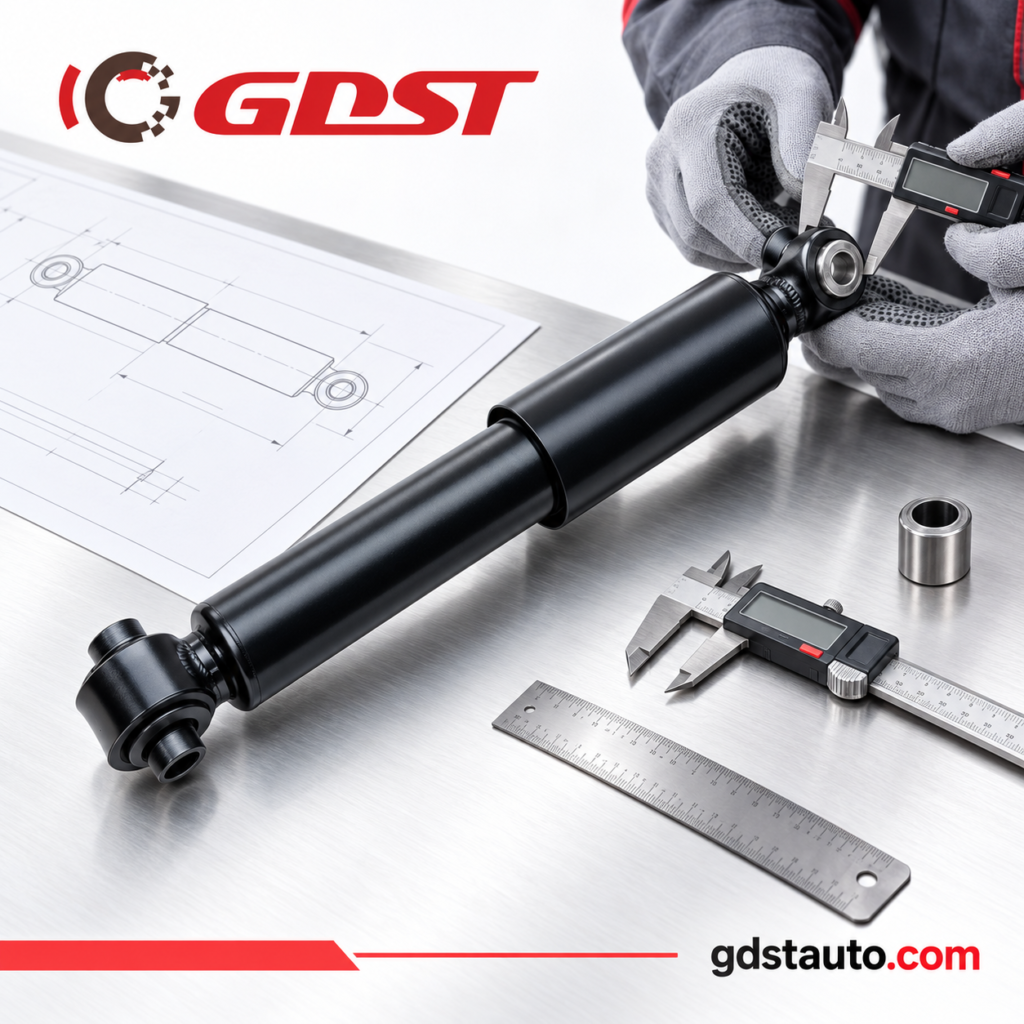
- Dimensional drawings
- Mounting and installation information
- Applicable inspection records
- Available performance test records
- Product identification and packaging requirements
-
The supplied damping-force sheets document specified values and tolerance limits. They do not, by themselves, establish independent laboratory certification, completed durability testing, or compliance with a particular standard.
Where a buyer requires a named standard, certification, or product-level test result, the applicable evidence should be confirmed before the claim is made.
OEM, ODM, and Private Label Supply
For eligible product programs, GDST supports discussions about product development, customized identification, and private label requirements.
Potential discussion points include:
-
-
- Existing product references and target vehicle applications
- Technical requirements and dimensional drawings
- Damping-force specifications
- Sample review and development feasibility
- Product marking and identification requirements
- Private label packaging and carton specifications
- Quality documentation requirements
- Estimated order quantity and production planning
-
Custom development is subject to technical feasibility, product scope, and commercial agreement. Providing a drawing or physical sample can help establish the information required for evaluation.
How to Request a Heavy Duty Truck Shock Absorber Quotation
Step 1: Submit Your Requirements
Provide an OE number, existing part number, vehicle details, dimensions, photographs, or a technical drawing.
Step 2: Review the Application
GDST reviews the available reference information and identifies any missing details needed to confirm compatibility.
Step 3: Confirm Technical Specifications
For an identified model, request the applicable damping-force data sheet and any available dimensional or application documentation.
Step 4: Confirm Commercial Information
Discuss quotation, minimum order quantity, lead time, packaging, quality requirements, and other applicable order conditions.
Step 5: Finalize the Specification
Confirm the exact part number, vehicle application, technical requirements, quantity, packaging, and delivery arrangements before proceeding.
For new or unverified applications, additional technical review may be required before a quotation or development proposal can be finalized.
Frequently Asked Questions About Heavy Duty Truck Shock Absorbers
Does GDST supply heavy duty truck shock absorbers for semi trucks?
GDST’s published product information includes commercial vehicle applications. However, the availability of specific semi-truck and heavy-duty truck models must be confirmed against the current catalog and technical references.
Provide the truck make, model, year, suspension position, and OE number if available so that the relevant application can be reviewed.
What is the difference between rebound force and compression force?
Rebound force describes damping resistance during extension, while compression force describes damping resistance during compression.
Both values should be interpreted together with the specified test conditions and the technical data for the exact shock absorber model. Experimental research shows that shock absorber characteristics can be nonlinear and may require more than a single nominal force value for a complete characterization [4][5].
Does a 30 mm test stroke mean the shock absorber has a 30 mm working stroke?
Not necessarily. The 30 mm value in the supplied GDST technical sheets is identified as the damping-force test stroke. It should not be interpreted as the total mechanical working stroke without confirmation from the applicable test definition.
The compressed length, extended length, and available working stroke must be verified separately.
Can I compare two shock absorbers by their rebound force alone?
A single rebound-force value is not sufficient to establish overall compatibility or equivalent performance.
The part number, test velocity, test displacement, compression characteristics, mounting geometry, and vehicle application should also be considered. Experimental studies of damper characterization support evaluating the relationship between force, velocity, and displacement rather than treating one value as a complete description [4][5].
Can I order a replacement using only an OE number?
An OE number is a useful starting point for a fitment review. If the reference cannot be confirmed from available application data, additional vehicle details, photographs, dimensions, or a physical sample may be required.
Can GDST provide technical drawings and product specifications?
Technical information depends on the identified model and the records available for that product.
Buyers should request the applicable dimensional drawing, installation dimensions, construction details, and damping-force information. The supplied damping-force sheets do not replace missing vehicle-fitment or dimensional information.
Does GDST support OEM, ODM, and private label orders?
GDST supports discussions for eligible OEM, ODM, and private label programs. Feasibility, minimum order quantities, packaging requirements, and delivery terms must be reviewed for the specific project.
What is the minimum order quantity for heavy duty truck shocks?
Minimum order quantities depend on the specific model, sourcing arrangement, customization requirements, and order quantity.
Contact GDST with the requested part numbers and estimated quantity to receive the applicable quotation and order conditions.
Can GDST develop a shock absorber based on a sample or drawing?
Development feasibility for a specific heavy-duty application must be reviewed individually.
Providing a sample, dimensional drawing, target application, and expected order volume will help establish the information required for evaluation.
What information should I include in a quotation request?
Please include your company name, business email, target market, requested part number or OE reference, vehicle information, estimated quantity, and any available technical documents.
Clear application information helps the team review your request more efficiently.
Technical References
The following peer-reviewed research supports the engineering principles discussed on this page. These publications provide general technical context; they do not establish fitment, performance, or certification for an individual GDST product.
[1] Research on ride comfort analysis and hierarchical optimization of heavy vehicles with coupled nonlinear dynamics of suspension
Chen, K., He, S., Xu, E., Tang, R., & Wang, Y. (2020). Measurement, 165, 108142.
Read the article on ScienceDirect
Relevance: Investigates nonlinear suspension dynamics and hierarchical optimization for heavy vehicles, supporting the need to evaluate damping and suspension parameters within the vehicle system.
[2] Ride Comfort Optimization and Test Research on an 8×4 Heavy Truck
Pang, H., Li, H. Y., Fang, Z. D., & Shan, N. (2010). Noise & Vibration Worldwide, 41(10), 65–71.
Read the article on SAGE Journals
Relevance: Studies damper and suspension stiffness matching for a multi-axle heavy truck using simulation and real-vehicle testing.
[3] Commercial Vehicle Ride Comfort Optimization Based on Intelligent Algorithms and Nonlinear Damping
He, S., Chen, K., Xu, E., Wang, W., & Jiang, Z. (2019). Shock and Vibration, 2019, Article 2973190.
Read the open-access article on Wiley Online Library
Relevance: Examines nonlinear damping in commercial vehicle ride comfort models and evaluates driver-seat acceleration, dynamic tire load, and suspension working space as separate performance measures.
[4] Experimental Characterization of Damping Force in Shock Absorbers with Constant Velocity Excitation
Basso, R. (1998). Vehicle System Dynamics, 30(6), 431–442.
Read the article on Taylor & Francis Online
Relevance: Investigates experimental characterization of shock absorber damping force and the use of force–velocity–displacement relationships to examine nonlinear behavior.
[5] A Combined Nonlinear and Hysteresis Model of Shock Absorber for Quarter Car Simulation on the Basis of Experimental Data
Barethiye, V., Pohit, G., & Mitra, A. (2017). Engineering Science and Technology, an International Journal, 20(6), 1610–1622.
Read the open-access article on ScienceDirect
Relevance: Uses experimental damper data to model nonlinear and hysteresis characteristics and examine their application in quarter-car simulation.
Request a Quote for Heavy Duty Truck Shock Absorbers
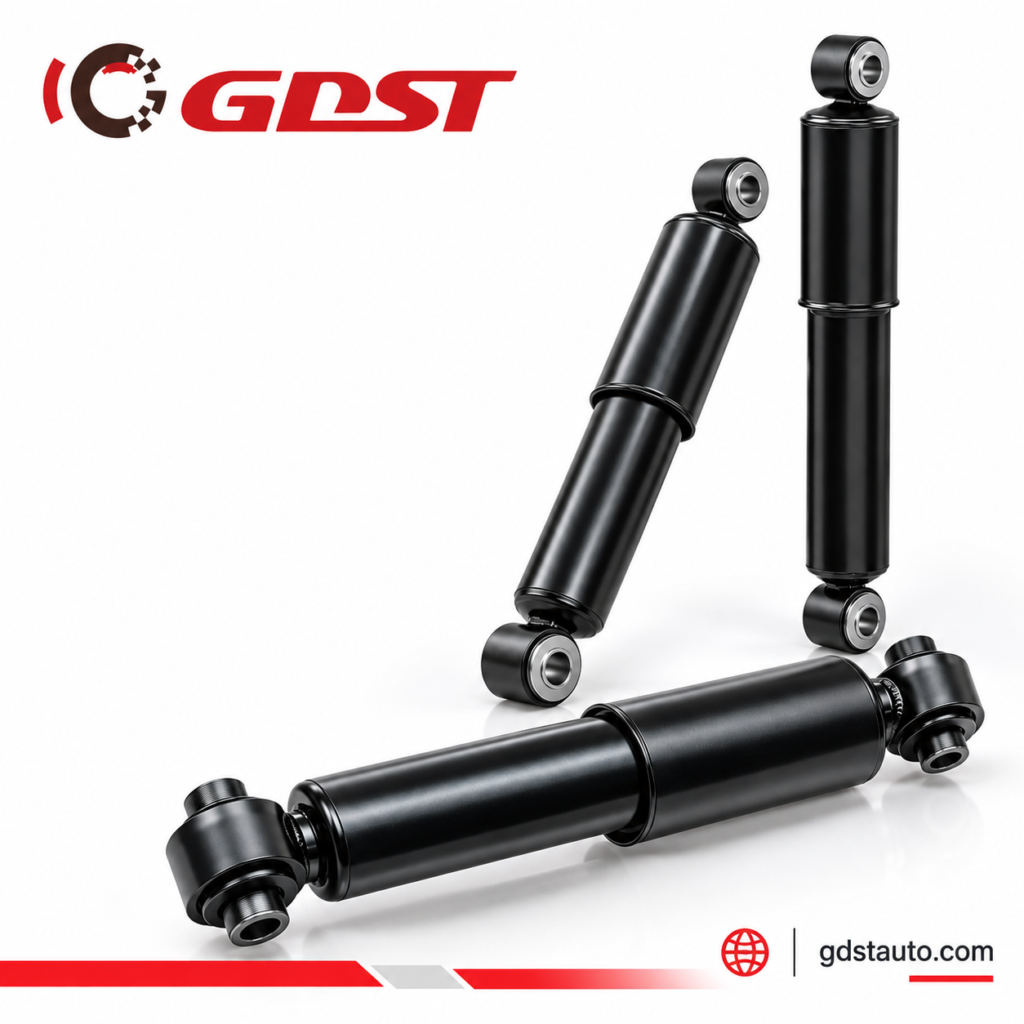
Looking for a shock absorber sourcing partner for your commercial vehicle aftermarket business?
Send GDST your OE reference, vehicle details, technical requirements, or product sample information. Our team can review the available documentation and help clarify fitment, technical specifications, and commercial requirements.
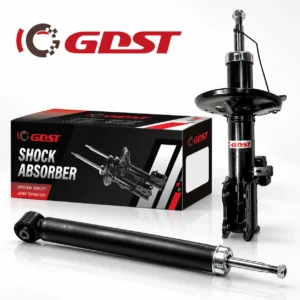
Quality Assurance
Every product undergoes rigorous testing and inspection to ensure reliability and performance
Material Inspection
Premium steel from certified suppliers with full traceability
Performance Testing
Fatigue, torque, and stress testing per OE standards
Dimensional Control
Tolerance control for precise OE fitment
Final Inspection
100% inspection before shipment