

Driving with bad rear control arm bushings is possible but highly discouraged. While your car may still move, a broken rear control arm or failing vehicle bushings will compromise rear-wheel alignment, leading to unpredictable handling and rapid tire wear. This guide assesses the safety risks, identifies bad bushing symptoms in the rear, and compares the costs of sourcing high-quality auto control arm bushings from a direct manufacturer like GDST.
Driving with Bad Rear Control Arm Bushings: Is it Safe?
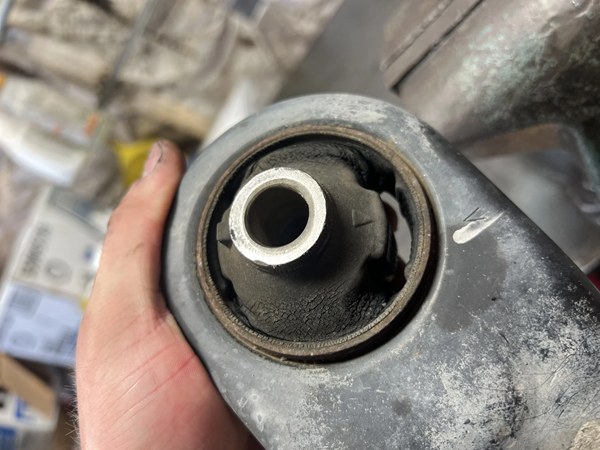
The short answer is: No, it is not safe for normal driving. When you have a broken rear control arm or the rubber bushings on a car have completely failed, the rear wheels lose their fixed pivot points.
Unlike the front suspension, which you feel through the steering wheel, rear suspension issues are “silent killers.” Bad bushings symptoms in the rear can cause the back of the vehicle to “fishtail” or sway independently of the front, which is extremely dangerous at highway speeds.
Rear Suspension Failure: Safety Risk Scale
| Failure Level | Safety Status | Handling Impact | Recommended Action |
| Cracked Bushings | ⚠️ Caution | Slight vibration; road noise | Plan replacement within 500 miles. |
| Torn/Bad Bushings | ❌ Dangerous | Rear-end swaying; tire scrubbing | Replace immediately. |
| Broken Rear Control Arm | 🚫 Critical | Loss of wheel control; banging | Do Not Drive. Tow to a shop. |
Symptoms of Worn Rear Control Arm Bushings
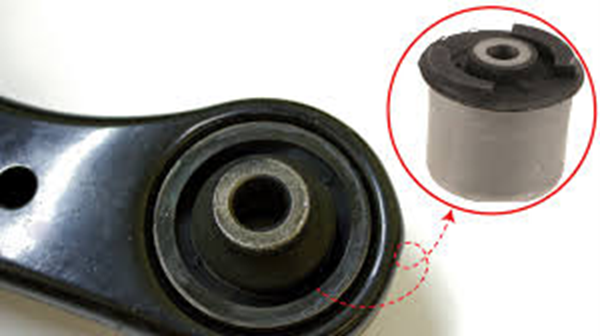
Is your vehicle feeling “loose” in the back? As a professional suspension manufacturer, we categorize rear bushing failure into three distinct stages of symptoms:
- The “Rear-Steer” Sensation (Dynamic Instability):
Unlike front bushings that affect steering wheel feedback, failing rear control arm bushings cause “Rear-End Wander.” You’ll feel the car’s rear “kick” or sway slightly when changing lanes or hitting a mid-corner bump. This happens because the worn rubber can no longer maintain the precise Toe and Camber alignment under lateral load. - Audible “Metal-on-Metal” Impact:
A failing bushing loses its dampening capacity. You won’t just hear a noise; you’ll hear a heavy metallic “thud” or “clunk” specifically during weight shifts—such as heavy braking or accelerating from a stop. This indicates the inner metal sleeve of the bushing is striking the outer housing. - Accelerated “Cupping” Tire Wear:
If you notice “cupping” (scalloped dips) or rapid wear on the inner edges of your rear tires, your bushings are likely shot. Worn bushings allow the control arm to oscillate excessively, causing the tire to bounce and scrub against the road instead of maintaining a consistent contact patch. - Professional Inspection Tip: The “Pry Bar” Test:
Don’t just look for cracks. Use a pry bar to apply pressure between the control arm and the mounting bracket. If the arm moves more than 2-3mm or the rubber core shows deep separation from the metal sleeve, the bushing has reached its service limit and is no longer safe.
Why You Shouldn’t Ignore a Broken Rear Control Arm
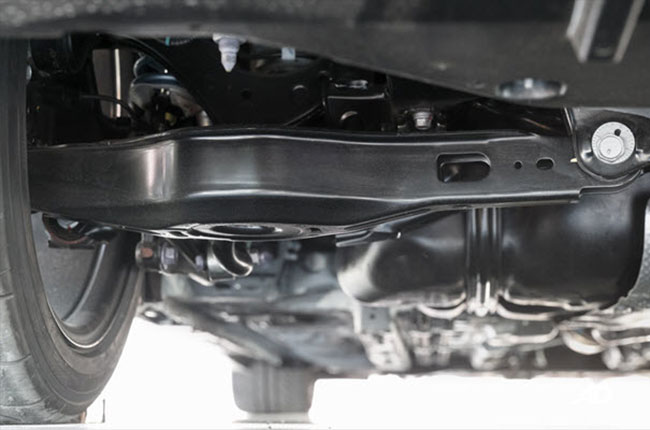
A broken rear control arm creates a domino effect of mechanical failure. Because the rear control arm in a car manages the “toe” and “camber” of your tires, failing vehicle bushings will:
- Destroy Your Tires: Bad rear control arm bushings can ruin a brand-new set of tires in less than 200 miles.
- Strain Other Auto Bushings: The extra vibration puts immense pressure on your subframe bushings and shocks, leading to a much higher total shocks and struts repair cost.
- Compromise Safety Systems: Your car’s ABS and Stability Control rely on predictable wheel movement. A broken rear control arm can cause these systems to malfunction during an emergency.
Why GDST Rear Suspension Parts Last Longer
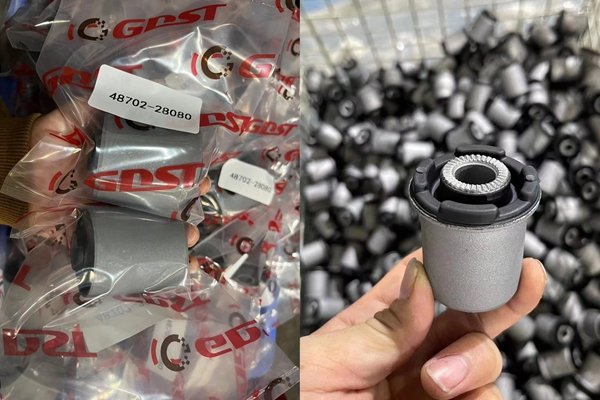
As a direct manufacturer, GDST focuses on the rubber chemistry that prevents a broken rear control arm scenario.
- Advanced Rubber Compounds: Our auto bushings are designed to resist ozone and oil degradation, preventing the rubber from becoming worn out sway bar bushings.
- Factory-Direct Pricing: Why pay a premium car bushing price? Sourcing directly from our factory ensures OE-standard quality at wholesale rates.
- Precision Fit: Whether it’s a lower front control arm or a specialized rear link, our parts ensure the alignment stays locked for years.
💡 Business Advantage: Stocking complete control arm units from GDST allows your clients to avoid the high labor of pressing out bushings in a car, providing a faster, more reliable “bolt-on” repair.
Rear vs. Front Control Arm Bushings
Many drivers focus only on the front suspension, but rear control arm bushings can be even more deceptive.
- Weight Distribution: The rear suspension handles the vehicle’s load. When you have a broken rear control arm, the car’s ability to stay level under cargo or passengers is compromised.
- Steering Dynamics: While the front arms handle directional steering, the rear control arm in car assemblies handles “passive steering.” If the auto bushings are soft or torn, the rear axle will pivot unexpectedly, leading to the dangerous “ghost steering” feeling on highways.
Replacement Cost: Rear vs. Front Control Arms
For many owners, the shocks and struts repair cost is a major factor. Replacing rear components often has a different price profile than the how much does front strut replacement.
| Factor | Rear Control Arm | Front Control Arm |
| Typical Parts Cost | $40 – $130 | $60 – $250 |
| Labor Intensity | Medium (Easier access) | High (Steering integrated) |
| Car Bushing Price | Lower | Slightly Higher |
| Alignment Needed? | Yes (Mandatory) | Yes (Mandatory) |
FAQ
Can I replace just the rear bushings to save on car bushing price?
While technically possible, the labor to remove the rear control arm in car and press out the bushings on a car often exceeds the price of a brand-new GDST assembly. We recommend replacing the entire arm for maximum safety.
Does a bad rear bushing affect my braking?
Yes. When you brake, weight shifts. If you have bad bushing symptoms, the rear wheels may “shudder” or shift, increasing your stopping distance.
What is the average lifespan of GDST auto bushings?
Our vehicle bushings are engineered to last 60,000 to 100,000 miles, significantly outperforming low-grade aftermarket alternatives.
How long do rear control arm bushings last before they become worn out?
Most vehicle bushings are engineered to last between 60,000 and 100,000 miles. However, factors like driving on salted roads or in humid environments can accelerate the degradation of rubber sway bar bushings and control arm units, leading to worn-out sway bar bushings and cracked rear mounts much sooner.