Manual Steering Rack is a traditional mechanical steering system known for its simplicity, reliability, and low maintenance. Unlike power or electric systems, it relies entirely on driver input. B2B buyers should focus on durability, precision, and supplier quality. GDST provides OE-quality, customizable manual steering racks with fast production and global support.
Introduction
For businesses sourcing steering racks, understanding Manual Steering Racks is essential. These mechanical systems might seem “old school” compared to electric or hydraulic racks, but they have proven reliability and cost-effectiveness, especially for small vehicles or markets where simplicity and maintenance ease are critical.
In this guide, we’ll explore how Manual Steering Racks work, their advantages and limitations, suitable applications, maintenance tips, and how to choose the right supplier—helping you make informed B2B procurement decisions with confidence.
What is a Manual Steering Rack?
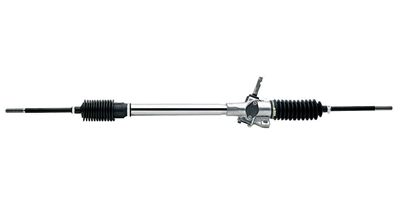
A Manual Steering Rack is a purely mechanical component of the steering system. It connects the steering wheel to the wheels through a rack and pinion mechanism, translating the rotational motion of the steering wheel into the lateral movement of the wheels. Unlike power or electric steering systems, it does not have a pump or motor to assist the driver.
For a deeper understanding of steering systems, see our guide: What is a Steering Rack.
How Does a Manual Steering Rack Work?
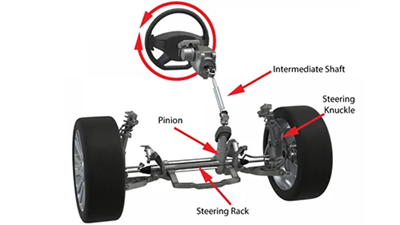
The operation is simple but precise. When the driver turns the steering wheel, the pinion gear rotates, moving the rack sideways. This movement directly turns the vehicle wheels. The absence of assistive power means the driver feels the road’s resistance more directly, which some drivers prefer for a “connected” steering experience.
Flow of Manual Steering Rack Components:
| Component | Function |
|---|---|
| Steering Wheel | Sends driver input |
| Pinion Gear | Converts rotational motion to linear motion |
| Rack | Moves the wheels laterally |
| Tie Rods | Connects the rack to the wheels |
Manual Steering Racks are appreciated for their durability, minimal maintenance, and simplicity, making them reliable for high-mileage vehicles. For a deeper dive into mechanics, see How Does a Steering Rack Work.
Advantages and Limitations of Manual Steering Racks
Understanding the strengths and limitations of Manual Steering Racks is key for B2B procurement decisions.
| Advantage / Limitation | Description | Impact on Procurement |
|---|---|---|
| Lightweight | Easy to install and transport | Reduces shipping and installation costs |
| Low Maintenance | Fewer moving parts | Lower after-sales service requirements |
| High Reliability | Long service life | Reduces replacement frequency and inventory costs |
| Requires Physical Effort | Driver applies more force | May limit application in heavy vehicles or luxury models |
| Cost-Effective | Lower production cost | More attractive for small vehicle or budget-conscious markets |
This table helps purchasing managers quickly evaluate how each feature affects procurement and vehicle application decisions.
Manual Steering Rack Applications in Vehicles
Manual Steering Racks are widely used in small cars, economy vehicles, and older vehicle models. They remain popular in markets that prioritize cost-efficiency and ease of maintenance.
Example Table: Vehicle Type / Example Models / EPS Advantage
| Vehicle Type | Example Models | Manual Steering Advantage |
|---|---|---|
| Small Cars | Toyota Yaris, Honda Fit, Ford Fiesta | Simple, lightweight, low maintenance |
| Economy Sedans | Hyundai Accent, Nissan Versa, Kia Rio | Durable, cost-effective, easy to service |
| Classic Vehicles / Older Models | VW Beetle, Honda Civic (pre-2010) | Reliable, easy to maintain for fleet or hobbyist markets |
GDST Manual Steering Racks meet OE-quality standards, ensuring durability and performance for these vehicle types.
- B2B Insight: Looking for a supplier that can provide consistent quality across multiple vehicle types? GDST offers factory-direct, customizable options with global support.
Maintenance and Replacement Tips
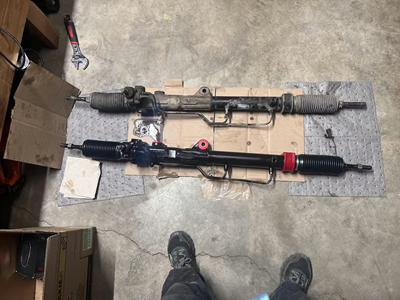
Manual Steering Racks are simple but still require basic attention to ensure longevity:
- Regular Inspection: Check for wear on the rack teeth and tie rods.
- Lubrication: Proper greasing reduces friction and extends life.
- Alignment: Ensure wheels are correctly aligned to prevent uneven wear.
- Replacement: If steering becomes stiff, noisy, or sloppy, replacement is often simpler and more cost-effective than extensive repairs.
According to our internal analysis of aftermarket returns, over 70% of manual rack failures are caused by worn inner tie rods or lack of lubrication – not the rack teeth themselves.
Data Insight:
- Average lifespan of a well-maintained manual steering rack: 150,000–200,000 km
- Typical maintenance frequency: inspection every 20,000–30,000 km, lubrication every 30,000 km
B2B Insight: Choosing OE-quality manual steering racks from GDST auto parts ensures predictable lifespan and lower maintenance costs, reducing your fleet’s operational risk.
For detailed installation and replacement guidance, see How to Replace a Steering Rack.
How to Choose a Manual Steering Rack – Supplier Checklist
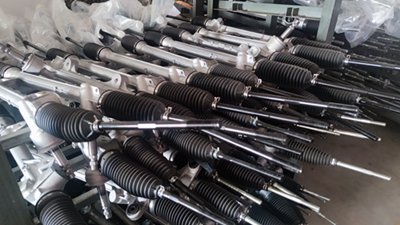
Ask these 7 questions. Check when the supplier gives you a clear answer.
- 1. What steel grade do you use? Can you show me the material certificate?
- Best answer: “We use 45# steel or 40Cr. Yes, we can provide the certificate with batch number.”
- 2. Do you heat treat the rack? What is the hardness number (HRC)?
- Best answer: “Yes, induction hardening. Surface hardness is 55-60 HRC. We can send you the hardness test report.”
- 3. What is your runout tolerance?
- Best answer: “We control runout within 0.05 mm. Here is a sample inspection report.”
- 4. Do you test every rack before shipping? Can I see the test report?
- Best answer: “Yes, 100% final test. We check smoothness, noise, and backlash. We can provide batch test records.”
- 5. What is your warranty?
- Best answer: “1-year warranty plus lifetime technical support. Claims go directly to us, not a third party.”
- 6. Can you do custom packaging? (e.g., my logo on the box)
- Best answer: “Yes, we support custom boxes, labels, and even small product changes. No extra fee for simple logo prints.”
- 7. What is your normal lead time? Can you handle urgent orders?
- Best answer: “Standard lead time is 30 days. Yes, we can handle emergency orders separately – just let us know your deadline.”
A supplier that gives answers close to these is a reliable partner. A supplier that says “I don’t know” or gives vague answers – keep looking.
Summary
Manual Steering Racks are simple, reliable, and cost-effective, ideal for small cars, economy vehicles, and older models. GDST offers OE-quality, customizable manual steering racks with factory-direct pricing, fast production, and global support.
- “Contact GDST today to secure reliable manual steering racks and simplify your B2B procurement process.”
Ready to source OE-quality manual steering racks? Contact GDST for a sample order, price list, or technical datasheet.
Related Steering Rack Guides
To help you expand your knowledge and make informed procurement decisions, here are some additional steering rack guides from GDST:
- Hydraulic vs Electric Steering Rack – Compare traditional hydraulic racks with manual and electric systems, and understand which is best for your vehicle lineup.
- Steering Rack Problems – Discover common steering rack issues, troubleshooting tips, and preventive measures to reduce downtime.
- How Long Does a Steering Rack Last – Learn about the lifespan of different steering racks and plan your maintenance and replacement schedule effectively.
- Steering Rack Price Guide (2026) – Understand the factors that influence steering rack pricing and make cost-efficient procurement decisions.
- Manual vs Power Steering Rack – Explore the key differences between manual and power-assisted steering racks, helping you choose the right system for your business.
Pro Tip for B2B Buyers: Reading these guides will give you a complete view of steering rack options and procurement strategies. For customized manual steering racks or urgent orders, reach out to GDST for fast, reliable solutions.
FAQ – Common Questions
Lightweight, durable, low maintenance, and cost-effective for small vehicles.
Depending on use, high-quality manual racks can last 150,000–200,000 km. See How Long Does a Steering Rack Last for more details.
Manual relies entirely on driver input; power racks use hydraulic or electric assist. See Manual vs Power Steering Rack.
Yes, GDST supports product, packaging, and torque customization for B2B clients.
Basic lubrication, periodic inspections, and proper wheel alignment.
Use a supplier evaluation checklist covering steel grade, tolerances, heat treatment, warranty, and customization options.