The main difference between a bad control arm and a bad ball joint lies in their structure and how they fail. A control arm is the “structural bone” that holds your wheel in alignment, while the ball joint is the “pivot” that allows the wheel to turn and move with the suspension. While both cause clunking noises, a bad control arm typically leads to steering wander and vibrations during braking, whereas a bad ball joint often causes “popping” sounds during turns and a loose, shaky steering feel.
Understanding these differences is critical for road safety and avoiding unnecessary repair costs. For wholesalers and garage owners, accurately diagnosing these components ensures you provide the right Types of Control Arms in Vehicles or replacement joints to your customers.
Quick Comparison: Control Arm vs. Ball Joint Failure
| Feature | Bad Control Arm | Bad Ball Joint |
| Primary Role | Maintains suspension geometry & alignment. | Acts as the pivot point for steering/travel. |
| Key Symptom | Steering pull, vibrations, uneven tire wear. | Popping noises, “wandering” steering, loose wheel. |
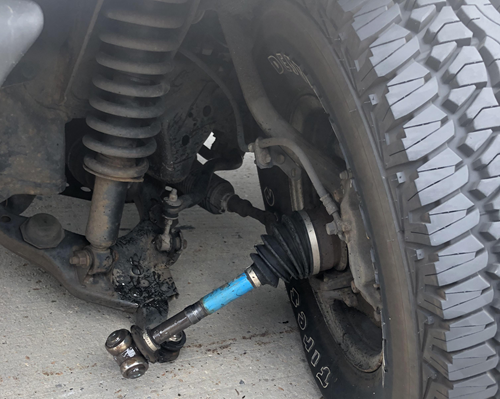
| Failure Point | Usually worn rubber bushings or bent metal. | Dried grease or a torn protective dust boot. |
Control Arm vs Ball Joint: Key Differences
While both are important suspension parts, control arms and ball joints serve different functions:
| Feature | Control Arm | Ball Joint |
|---|---|---|
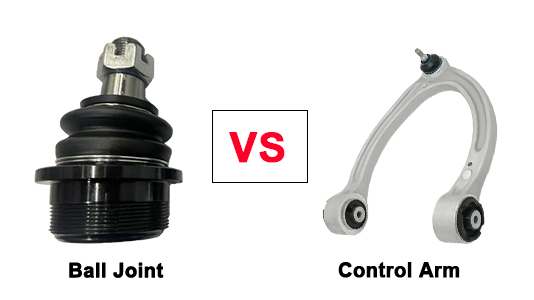
| Function | Connects the wheel to the frame, supports suspension movement | Allows steering and suspension movement between the control arm and the wheel |
| Size | Larger, mounted in suspension system | Smaller, located at the joint between the control arm and the wheel |
| Symptoms of Damage | Clunking, vibrations, uneven tire wear | Larger, mounted in a suspension system |
Need high-quality control arms or ball joints? GDST offers durable, OE-standard parts that ensure a smooth and safe ride.
Key Differences Between a Bad Control Arm and a Bad Ball Joint
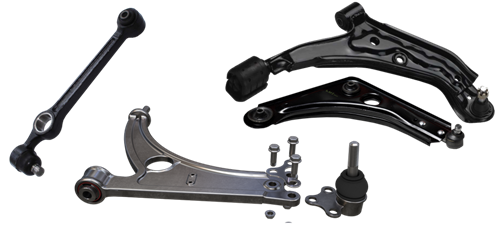
At first glance, it might seem like a bad control arm and a bad ball joint are similar because they both affect the suspension. However, there are key differences that set them apart. Let’s break them down:
Symptoms
- Bad Control Arm Symptoms:
- Clunking noises when turning or driving over bumps
- Steering wheel vibration or shaking
- Poor alignment or uneven tire wear
- Unstable or bouncy ride
- Bad Ball Joint Symptoms:
- Popping or cracking sounds when steering
- Steering feels loose or wobbly
- Uneven tire wear (specifically on the inside of the tire)
- Poor vehicle handling or difficulty with turning
Repair Complexity
- Control Arm: Replacing a control arm is more complex and may require the entire suspension system to be disassembled. This is a job that usually requires professional assistance.
- Ball Joint: Replacing a ball joint is relatively simpler and more affordable. In many cases, you can replace just the ball joint without needing to replace the entire control arm.
Want to replace your worn control arms or ball joints? GDST provides high-quality, customizable parts with a one-year warranty. Reach out now for more details!
How to Accurately Diagnose a Bad Control Arm vs. Ball Joint?
So how do you accurately diagnose whether it’s the control arm or the ball joint that’s causing the issue? Here are some steps you can take:
- Test the Driving Experience
- Bad Control Arm: If you notice a significant increase in wheel wobble or unstable steering, especially when turning or going over bumps, the control arm might be the issue. You may also hear a loud clunking noise, particularly when the suspension is under stress.
- Bad Ball Joint: A ball joint that is going bad will often make popping or cracking sounds when steering, especially during low-speed maneuvers or when parking. The steering may also feel loose or imprecise, making it difficult to control the vehicle.
- Bad Control Arm: If you notice a significant increase in wheel wobble or unstable steering, especially when turning or going over bumps, the control arm might be the issue. You may also hear a loud clunking noise, particularly when the suspension is under stress.
- Perform a Visual and Physical Inspection
- Control Arm: Look for any visible signs of bending, cracking, or excessive wear on the control arm. You can also check if the bushings are damaged or if there’s any rust buildup.
- Ball Joint: Check the ball joint for any looseness or signs of wear. You can try to move the wheel by hand; if there’s any play or movement beyond normal, the ball joint may be worn out.
- Control Arm: Look for any visible signs of bending, cracking, or excessive wear on the control arm. You can also check if the bushings are damaged or if there’s any rust buildup.
Can You Drive with a Bad Control Arm or Ball Joint?

Driving with a bad control arm or ball joint is risky and should be avoided. Here’s why:
- Bad Control Arm: If the control arm is damaged, the suspension system cannot properly support the wheel. This can result in poor handling, tire wear, and even complete suspension failure. It’s unsafe to drive with a damaged control arm because it can compromise the entire suspension system and cause more significant issues, even potentially leading to loss of control.
- Bad Ball Joint: While a bad ball joint may not immediately lead to total suspension failure, it still poses a significant risk. A failing ball joint can cause poor steering control, which could result in a dangerous loss of control, especially at higher speeds or while turning.
Here’s a quick comparison table that shows the safety risks associated with each:
| Component | Safety Risk Level | Potential Consequences |
|---|---|---|
| Bad Control Arm | High | Steering instability, poor handling, loss of control |
| Bad Ball Joint | Moderate to High | Steering issues, potential wheel detachment, loss of control |
If you notice any of these symptoms, it’s important to address the problem immediately to avoid further damage and ensure your safety on the road.
(For more information on driving with a bad control arm, check out Can You Drive with a Bad Control Arm?)
How Much Does It Cost to Replace a Bad Control Arm vs Ball Joint?
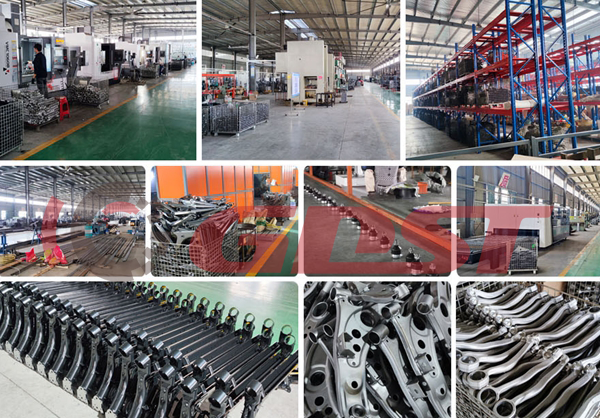
When it comes to replacing these components, there’s a notable difference in cost:
- Control Arm Replacement: Replacing a control arm is more expensive. The parts themselves can cost anywhere from $100 to $400, depending on your car model. Labor costs can range from $150 to $500. This is because the replacement process can be complex and may require other parts of the suspension system to be taken apart.
- Ball Joint Replacement: A ball joint replacement is more affordable. The cost of a new ball joint ranges from $20 to $100, with labor costs typically between $100 and $300. Replacing a ball joint is generally quicker and requires less labor.
To learn more about control arm replacement costs, visit our How Much Does Control Arm Replacement Cost?guide.
Need a replacement for your control arm or ball joint? GDST offers factory-direct, high-quality parts at competitive prices.
Conclusion
Both the control arm and ball joint are crucial for the smooth functioning of your vehicle’s suspension system, but they each serve different roles. Recognizing the symptoms of a bad control arm or ball joint is essential for maintaining vehicle safety and comfort.
If you suspect that either the control arm or ball joint in your vehicle is damaged, it’s important to get it checked out as soon as possible. Driving with a faulty suspension component can lead to further damage and increase the risk of accidents.
For a complete overview of suspension control arms, check our Complete Control Arm Guide.
Related Control Arm Guides
If you’re interested in learning more about control arms, check out these helpful guides:
- How to Replace a Control Arm?
- Function of a Control Arm in a Car
- Where Is the Control Arm Located?
- What Causes Control Arms to Go Bad?
- Can You Drive with a Bad Control Arm?
- What Happens If a Control Arm Breaks?
FAQ
Control arms can wear out over time due to factors like rough driving conditions, hitting potholes, or a lack of regular maintenance. Rust, corrosion, and worn-out bushings are common causes of control arm failure. Additionally, prolonged exposure to moisture and road salt can accelerate the deterioration of control arms.
Control arms typically last between 70,000 and 100,000 miles, depending on driving conditions and maintenance. However, they may wear out sooner if you drive on rough roads frequently or if your vehicle is not properly maintained. Regular inspections can help you catch issues early and prevent costly repairs down the road.
It’s not always necessary to replace both control arms at the same time, but it’s a good idea if they’re both showing signs of wear. If one control arm is damaged, the other might soon follow, especially if both have been exposed to the same driving conditions. Replacing both at the same time ensures balanced suspension performance.