When it comes to vehicle safety, every part plays a crucial role in keeping things running smoothly. But when something as important as the control arm starts to fail, many drivers wonder, ” Can you still drive with a bad control arm?” The short answer is no. While your vehicle might physically move for a few miles, a damaged control arm compromises your safety on the road.
In this article, we’ll explain why a bad control arm is such a serious issue and why it’s critical to address it before it leads to more costly and dangerous problems.
Can You Still Drive with a Bad Control Arm?
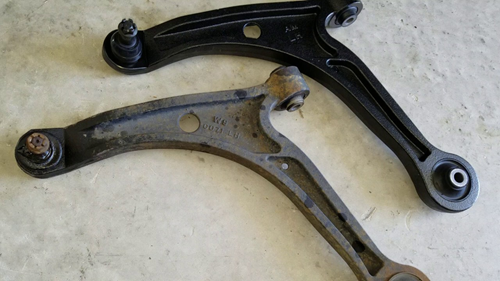
The answer is yes, but it’s not safe. You might think it’s fine to drive with a bad control arm for a short time, but doing so can cause serious safety issues and lead to expensive repairs in the future.
Here’s a quick comparison of what happens when you drive with a bad control arm:
| Situation | Short-term Driving (Days/Weeks) | Long-term Driving (Months) |
|---|---|---|
| Impact on Vehicle | Slightly unstable handling, uneven tire wear | Suspension damage, worsening of other parts |
| Safety Risks | Mild risk of loss of control, braking issues | High risk of accidents, sudden loss of control |
| Repair Costs | Minor repairs needed | Major repairs required, including suspension and alignment |
While you might not feel the effects right away, driving with a bad control arm increases your chances of a bigger problem down the line. It’s always better to replace it sooner rather than later to avoid more costly damage and keep your customers safe.
If your clients are dealing with a damaged control arm, we offer high-strength, OE-quality control arm products designed for the global market. Contact us today to learn more about custom control arm solutions, bulk ordering, and long-term partnerships.
What Happens When Your Control Arm is Bad
A bad control arm can cause several issues that affect your vehicle’s performance. Here are some common symptoms⚠️:
- Strange Noises: If you hear clunking, knocking, or popping sounds when turning or going over bumps, it could be a sign of a worn-out control arm.
- Uneven Tire Wear: A damaged control arm can cause misalignment, which results in uneven tire wear. This might lead to needing a tire replacement sooner than expected.
- Handling Issues: If the vehicle feels loose or unstable while cornering or braking, the control arm may be failing and affecting the suspension’s ability to keep the wheels in proper alignment.
If you notice any of these symptoms, it’s crucial to have the control arm inspected and replaced as soon as possible.
Read the detailed guide on Symptoms of a Bad Control Arm.
Driving Risks with a Bad Control Arm
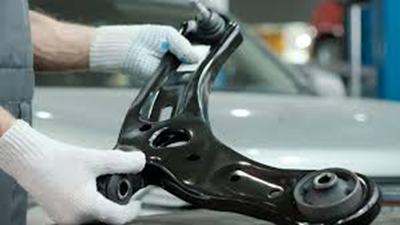
A bad control arm doesn’t just affect your car’s performance; it also creates serious safety hazards. Let’s break down the risks depending on the severity of the damage:
Mild Damage (e.g., Cracked Bushings)
- Alignment Changes: When the bushings or joints in the control arm begin to crack, the wheel alignment can be thrown off. This leads to faster tire wear and increases the risk of a blowout.
- Braking Issues: The vehicle may feel unstable when braking, especially during emergency stops. The car could pull to one side, or the stopping distance may increase.
Moderate Damage (e.g., Loose Ball Joints)
- High-Speed Risk: When driving at higher speeds or taking sharp turns, a loose control arm can cause the wheel alignment to shift suddenly. This can lead to the vehicle swerving or losing control, especially on wet or uneven roads.
- Delayed Response: In emergency maneuvers, such as changing lanes quickly, the car may not respond as promptly, which can make it hard to maintain control.
Severe Damage (e.g., Control Arm Nearing Breakage)
- Complete Misalignment: At this point, the wheel may become completely misaligned and could even become stuck against the wheel well, leading to instant lockup or complete loss of steering control.
- Complete Failure: In extreme cases, driving at low speeds can cause the vehicle to become immobile, with significant structural damage to the suspension system.
| Damage Level🚫 | Potential Risks🚨 | Impact on Safety⚠️ |
|---|---|---|
| Mild Damage | Increased tire wear, slight alignment issues | Lower stability when braking |
| Moderate Damage | Vehicle swerving, loss of control on turns | High risk of skidding or crashing |
| Severe Damage | Complete loss of steering control, vehicle immobility | Major risk of accidents, potentially fatal |
How to Tell If Your Control Arm Needs Replacing
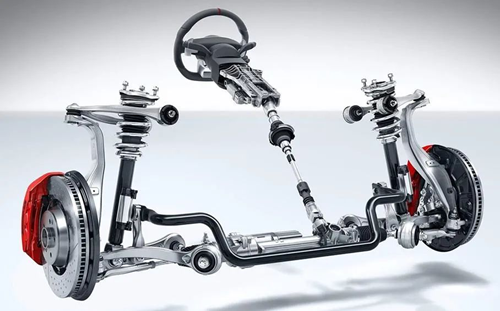
If you’re unsure whether your vehicle’s control arm requires replacement, here are some common indicators to watch out for:
- Unusual noise: A clicking or knocking sound when turning or driving over bumpy roads.
- Visible Damage: Worn-out bushings or visible cracks in the control arm.
- Handling Problems: Difficulty steering, especially when making sharp turns or braking hard.
For more details, check out our article on Control Arm Lifespan to understand how long control arms typically last and when to replace them.
Is It Safe to Drive Without Replacing a Bad Control Arm?
Driving with a bad control arm is always risky. Even if your vehicle seems to be running fine in the short term, the damage will continue to get worse. A faulty control arm not only compromises vehicle handling but also endangers your customers’ safety.
For your business, selling products that meet safety standards is vital. By offering top-quality control arms, you ensure both customer safety and satisfaction. Check out Types of Control Arms in Vehicles to learn more about what kinds of control arms are available and how they differ.
Emergency Measures for Driving with a Bad Control Arm

If a control arm failure happens while driving, there are emergency measures to consider, but they’re not foolproof:
- Avoid Long Trips or High-Speed Driving: Do not continue long-distance or highway driving.
- Drive Slowly: Keep speed below 30 km/h (19 mph) and avoid sharp turns or sudden braking.
- Use Hazard Lights: Turn on your hazard lights and stay in the right-most lane to avoid heavy traffic.
- Tow to a Repair Shop: The safest solution is to tow the vehicle to a repair shop instead of continuing to drive.
If your customers face a situation like this, help them act quickly to get their vehicle repaired or replaced.
Conclusion
To wrap up, don’t overlook a bad control arm—it’s a critical safety concern for both vehicle owners and businesses in the automotive parts industry. Ignoring control arm issues can lead to serious vehicle instability, increased repair costs, and, most importantly, safety hazards.
If you’re seeking premium-quality control arms that meet OE standards, we’re here to provide you with durable, high-performance parts. With custom packaging options and direct factory pricing, GDST auto parts are well-equipped to help you serve your customers effectively. Get in touch with us today to explore bulk orders and tailored solutions that fit your business needs.
Want to know more about suspension control arms? Check out our Complete Control Arm Guide for everything you need to know.
Related Control Arm Guides 📚
If you’d like to dive deeper into control arm topics, these guides might be helpful:
- How to Replace a Control Arm? – A step-by-step guide to help you through the process of replacing a damaged control arm.
- Function of a Control Arm in a Car – Learn about the role of control arms in stabilizing the suspension system and ensuring vehicle control.
- Where Is the Control Arm Located? – Understand the exact placement of control arms within a vehicle and how they affect overall performance.
- Swing Arm vs. Control Arm – A comparison between swing arms and control arms, and how each affects vehicle suspension.
- Upper Control Arm vs. Lower Control Arm – Explore the differences between upper and lower control arms and their impact on suspension geometry.
- Adjustable Control Arm Explained – Discover the benefits and uses of adjustable control arms in vehicle suspension tuning.
- Stamped Steel vs. Forged Control Arm – Learn about the differences in material and manufacturing techniques between stamped steel and forged control arms.
FAQ
No, it’s not safe. While you may not notice issues during regular driving, the damage to the control arm will worsen over time. The abnormal tire wear caused by misalignment can end up costing you more than the repair itself.
Yes, absolutely. Removing the control arm will change the vehicle’s alignment settings, such as toe and camber. If you don’t get a wheel alignment, your tires will wear out quickly, causing further issues.
It’s recommended to use OEM parts or reliable brands like Delphi or Lemforder. Aftermarket parts may not meet the same quality and durability standards, and their rubber components might wear out prematurely.
Control arms usually last around 100,000 miles (160,000 km), depending on driving conditions and maintenance. However, harsh driving, bad roads, and extreme weather conditions can cause premature wear.
Continuing to drive with a damaged control arm can lead to steering instability, increased tire wear, and even complete suspension failure. It could also cause damage to other suspension components, leading to higher repair costs.