Buying control arms wholesale sounds simple — place a bigger order, get a better price.
But in real business, especially in suspension parts, it rarely works that way.
Control arms are not standard commodities.
Even for the same vehicle, there can be:
- different OE numbers
- left and right versions
- upper and lower arms
- different configurations (with or without ball joints and bushings)
Many buyers run into problems not because of suppliers, but because:
- they order the wrong OE combinations
- they don’t understand configuration differences
- they build inventory around slow-moving references
The result is familiar:
- stock that doesn’t move
- cash tied up
- pricing that looks good on paper but doesn’t work in the market
Wholesale is not just about buying more.
It’s about buying the right OE numbers, in the right quantity, at the right time.
This guide walks you through how experienced importers actually handle wholesale orders — in a way that reduces risk and improves long-term profitability.
If you’re still in the early sourcing stage, you may want to review our Control Arm Procurement Guide to understand the full sourcing process before moving into wholesale decisions.
How to Buy Control Arms Wholesale Efficiently
- Focus on fast-moving OE numbers, not just vehicle models
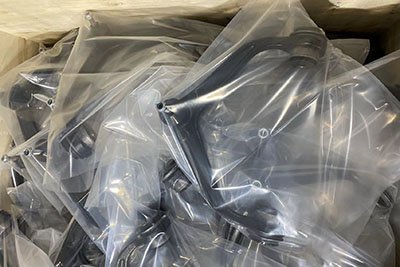
- Always confirm whether control arms include ball joints and bushings
- Combine left/right or upper/lower arms to meet MOQ
- Balance order quantity with your real sales speed
- Test suppliers before placing large orders
In control arm wholesale, success comes from structure — not volume.
What Wholesale Really Means in Control Arm Sourcing
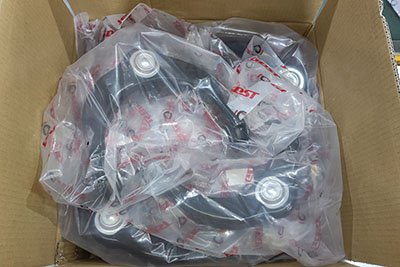
Wholesale in control arms is not just about lower price per piece.
It’s about:
- selecting the right OE references
- building a sellable product mix
- controlling inventory risk
Most wholesale problems come from:
- buying too many low-demand OE numbers
- or misunderstanding product configurations
Not from price itself — they come from over-ordering or poor planning.
Step 1 – Understand MOQ Based on OE Numbers
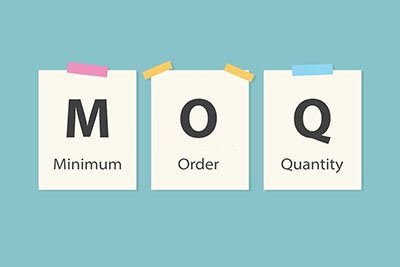
MOQ in control arm sourcing is usually tied to OE numbers, not just total quantity.
Why Suppliers Set MOQ per OE
Each control arm (OE number) requires:
- specific tooling
- production setup
- material allocation
That’s why MOQ is often applied per OE, not per order.
Lower MOQ vs Better Price
- small quantity per OE → higher unit price
- higher quantity per OE → better pricing
But here’s the real issue:
If you force MOQ on a slow-moving OE number, you create inventory pressure — not savings.
Smart Approach: Combine OE Numbers
Instead of over-ordering one item:
- combine multiple OE numbers
- include both left and right arms
- mix upper and lower control arms when possible
This helps you:
- meet MOQ
- reduce inventory risk
- keep your product range practical
Step 2 – Plan Your Product Mix Around Real Demand
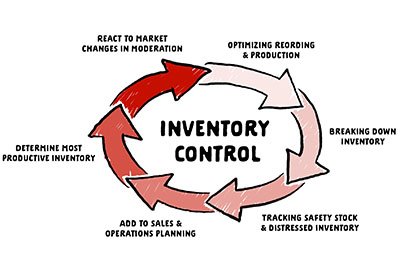
This is where most wholesale strategies fail.
Don’t Select Products Based Only on Vehicle Models
Many buyers say:
“I want control arms for Toyota or Hyundai”
But in reality:
demand is not at the “model level”
it is at the OE number level
Focus on Fast-Moving OE Numbers
Experienced buyers:
- track which OE numbers sell repeatedly
- build orders around those references
This improves:
- turnover speed
- cash flow
- pricing leverage
Think in Pairs and Kits, Not Single Pieces
In many markets, control arms are sold as:
- left + right pairs
- upper + lower sets
- full suspension kits
Planning your wholesale orders this way:
- makes selling easier
- reduces dead stock
- increases average order value
Step 3 – How Quantity Affects Your Real Cost
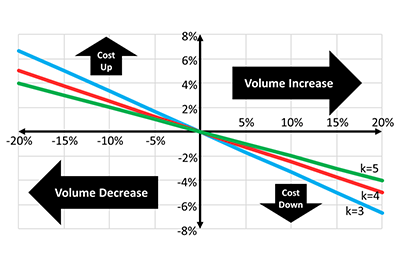
Most buyers focus on unit price.
But control arm wholesale is more complex than that.
Bigger Orders Can Create Hidden Costs
Yes, larger quantities reduce price.
But they can also create:
- unsold left/right imbalance
- slow-moving OE numbers
- warehouse pressure
Balance Structure, Not Just Quantity
In control arms, it’s not just “how many you buy.”
It’s what combination you buy
Example:
- ordering 200 pcs of one OE = risky
- ordering 10 OE numbers × 20 pcs = more flexible
Key Insight
A well-balanced order structure is more valuable than the lowest unit price
If you’re unsure how pricing is structured across different suppliers, you can also refer to our Control Arm Price Guide for a detailed breakdown of cost factors and pricing differences.
Step 4 – How to Compare Wholesale Quotes Correctly

This is where most pricing confusion happens.
Same OE Number Is Just the Start
Even with the same OE, suppliers may quote:
- complete control arms (with ball joint + bushings)
- bare arms only
This creates major price differences.
Always Confirm Configuration
Before comparing prices, confirm:
- is the ball joint included?
- are bushings included?
- material: steel or aluminum?
Without this, price comparison is meaningless.
Watch for Assembly Differences
Some control arms: come fully assembled
Others: require additional components
A cheaper quote may not include everything.
Rule for Accurate Comparison
Same OE + same accessories + same quantity = comparable price
If you’re unsure whether to choose OEM or aftermarket options for your market, you can also read our OEM vs Aftermarket Control Arms guide to make a more informed decision.
Step 5 – Start Small, Then Scale by OE Performance
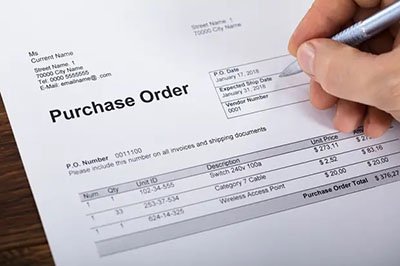
Use Your First Order to Test the Market
Instead of placing a large mixed order:
- start with a limited number of OE references
- test real demand
Evaluate Based on Real Sales Data
Track:
- which OE numbers move fast
- which ones stay in stock
This is more valuable than any supplier suggestion.
Scale Based on Proven Demand
Once certain OE numbers perform well:
- increase quantity
- negotiate better pricing
This is how experienced buyers grow safely.
Step 6 – Build Long-Term Supplier Relationships
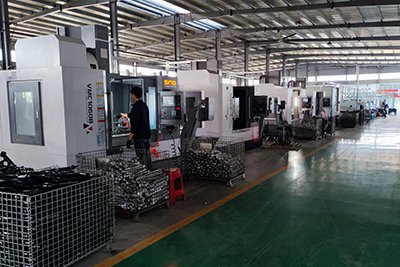
Why Stability Matters in Control Arm Supply
Control arms involve:
- multiple components (arm + ball joint + bushings)
- assembly quality
- consistency across batches
Changing suppliers frequently can create:
- fitment issues
- quality inconsistency
Benefits of Long-Term Cooperation
Working with stable suppliers gives you:
- consistent OE mapping
- stable configurations
- better pricing over time
This is especially important for repeat orders.
If you’re still evaluating suppliers, it’s worth checking our guide on how to choose a reliable control arm manufacturer before placing larger wholesale orders.
Common Wholesale Mistakes in Control Arm Purchasing
Ordering Too Many Low-Demand OE Numbers
Leads to:
- dead stock
- slow turnover
Ignoring Left/Right or Pairing Logic
Results in:
- unsellable inventory combinations
Comparing Prices Without Checking Configuration
leads to wrong decisions
Chasing the Lowest Price
Often results in:
- missing components
- inconsistent quality
Wholesale decisions are closely connected to product selection, pricing, and supplier choice. If you haven’t reviewed these aspects yet, it’s worth going through our related guides to build a complete sourcing strategy.
Get in Touch
If you’re planning your next control arm order and want to avoid common wholesale mistakes, it often helps to review your OE selection and order structure before placing the order.
A quick discussion can help you:
- optimize your product mix
- balance left/right and kit combinations
- avoid slow-moving inventory
Feel free to reach out — sometimes small adjustments in structure can make a big difference in results.
Conclusion: Control Arm Wholesale Is About Structure, Not Volume
Control arm sourcing is not about how many pieces you buy.
It’s about:
- which OE numbers you choose
- how you combine them
- how well they match your market demand
Buying more doesn’t make you more profitable — buying the right OE structure does.
Frequently Asked Questions
MOQ is usually set per OE number (50pcs per OE No.) due to production requirements, not just total quantity.
Focus on fast-moving OE numbers and avoid selecting products only based on vehicle models.
In many markets, selling in left/right pairs or kits is more efficient and reduces inventory risk.
Because of differences in configuration (ball joints, bushings), material, and assembly level.