Replacing ball joints remains a significant aspect of maintaining a vehicle’s suspension system. Ball joints are the pivotal link between your vehicle’s suspension and its wheels, and when they start to fail, they can cause various issues like clunking noises, poor handling, and uneven tire wear. How to replace ball joints: safely lift the vehicle, remove the wheel, remove the old ball joint, and install a new one. This guide will walk you through the entire process step-by-step, answer common questions about ball joint replacement, and provide details on the associated costs.
How to Replace Ball Joints: A Step-by-Step Guide
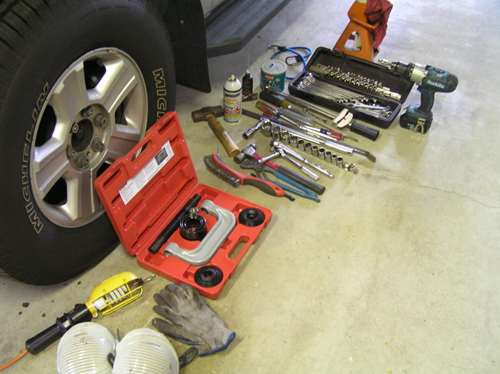
Tools and Materials You’ll Need:
- Jack and jack stands – used to raise and securely support a vehicle.
- Socket Wrench and Sockets – For removing bolts and nuts.
- Ball Joint Separator Tool – To safely detach the ball joint.
- Torque Wrench – For tightening bolts to the specified torque.
- Lubrication – To keep the new ball joint functioning smoothly.
- Replacement Ball Joint – Ensure it is compatible with your vehicle model.
Step1: Prepare the Vehicle
- Park the car on a flat, stable surface. Apply the handbrake and, if necessary, place wheel chocks.
- Raise the vehicle using a jack and secure it with jack stands to ensure safety. Do not rely on the jack alone.
- Remove the wheel to expose the suspension system.
Step2: Remove the Old Ball Joint
- Start by removing the bolts, nuts, and any fasteners holding the ball joint in place.
- Use a ball joint separator to carefully detach the joint from the control arm. Be gentle to avoid damaging nearby components.
- If the joint is press-fitted, you’ll need a ball joint press to remove it properly.
Step3: Install the New Ball Joint
- Align the new ball joint in its designated position. Make sure it fits securely into the control arm and the steering knuckle.
- Use a torque wrench to tighten the bolts to the torque specifications recommended by the manufacturer. This ensures the ball joint is securely fastened.
Step4: Check and Test
- Please check all fasteners carefully to ensure they are securely tightened.
- Test the suspension by moving the wheel up and down to ensure the ball joint is functioning properly. Listen for any unusual sounds such as popping or grinding.
Step5: Reassembly & Road Test
- Mount the Wheel: Reinstall the wheel and hand-tighten the nuts.
- Lower the Car: Remove jack stands and lower the vehicle safely.
- Final Torque: Fully tighten all lug nuts once the car is on the ground.
- Test Drive: Take a quick spin. If the steering is silent and smooth, you’re done!
What is a Ball Joint?
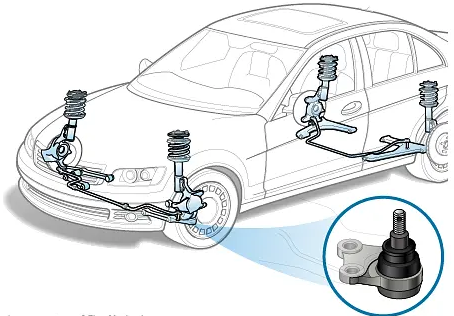
A ball joint plays a crucial role in your vehicle’s suspension system. It acts as the connecting point between the wheels and the suspension, allowing the wheels to move up and down as the suspension absorbs bumps and shocks from the road. Think of it like a ball-and-socket joint in your body, providing the necessary flexibility for smooth, controlled movement while keeping the vehicle stable. Without a properly functioning ball joint, your car’s handling could be compromised, leading to a rough ride and potential safety issues.
There are two main types of ball joints:
- Upper Ball Joints: Typically found in vehicles with double wishbone suspensions, these joints connect the upper control arm to the steering knuckle.
- Lower Ball Joints: Located on the lower control arm, these joints connect the lower suspension components to the steering knuckle.
Ball joints serve a crucial role in ensuring a smooth and controlled ride, and are thus vital to a vehicle’s handling and safety.
Ball Joint Replacement Cost
The cost of replacing ball joints can vary significantly based on the make and model of your vehicle, as well as where you get the work done. On average, ball joint replacement can cost between 0 and 0 per joint, depending on whether you’re replacing the upper or lower joints.
Factors Affecting the Cost:
- Vehicle Make and Model: Luxury or specialty vehicles often have higher parts and labor costs.
- Labor Costs: Labor costs vary by location and mechanic expertise, with professional repairs costing more.
- DIY vs Professional Replacement: If you choose to replace the ball joints yourself, you can save money by purchasing the parts and using basic tools. However, a professional mechanic will charge for both parts and labor.
Estimated Costs:
| Part | Cost Range |
|---|---|
| Upper Ball Joint | $50 – $150 |
| Lower Ball Joint | $60 – $200 |
| Labor (per joint) | $100 – $200 |
| Total Replacement Cost (per joint) | $200 – $500 |
Common FAQs
How Long Do Ball Joints Last?
Ball joints typically last between 70,000 and 150,000 miles, depending on driving conditions, vehicle type, and maintenance. If you drive on rough roads frequently, they may wear out faster.
Can I Drive With Bad Ball Joints?
Driving with damaged ball joints is risky. It can cause instability, uneven tire wear, and steering problems, all of which affect your safety. If you notice any symptoms of a bad ball joint (like clunking sounds, poor handling, or loose steering), it’s important to get them replaced as soon as possible.
How Can I Check if My Ball Joints Are Bad?
You can check ball joints by visually inspecting for any obvious damage or wear. To test for play, grab the wheel at 9 and 3 o’clock positions and try to rock it back and forth. Any movement could indicate a bad ball joint. However, it’s always best to have a professional mechanic inspect it thoroughly.
Can Ball Joints Be Replaced Without a Press?
It is possible to replace ball joints without a press in some cases, depending on the type of joint and the vehicle model. However, using a ball joint press makes the job easier and reduces the risk of damage.
Is It Expensive to Replace Ball Joints?
The cost of replacing ball joints can be expensive, but it varies based on the vehicle and whether you’re doing it yourself or hiring a mechanic. Typically, professional replacements will cost between 0 and 0 per joint, including parts and labor.
How to Extend the Life of Your Ball Joints
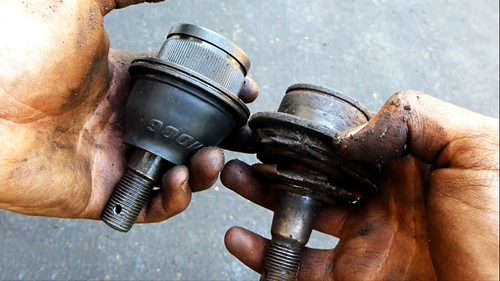
To maximize the lifespan of your ball joints, it’s important to perform regular maintenance and take care of your suspension system:
- Inspect ball joints regularly during vehicle maintenance.
- Avoid harsh driving such as rapid acceleration, hard braking, and sharp turns.
- Keep your tires properly inflated to prevent uneven wear on the suspension.
- Get your vehicle aligned to prevent uneven wear on ball joints and other suspension parts.
Conclusion
Replacing ball joints is a crucial aspect of maintaining your vehicle’s suspension and ensuring your safety on the road. By following the steps outlined in this guide, you can replace your ball joints efficiently and effectively. Remember, regular inspection and maintenance of your vehicle’s suspension system will help prevent premature wear and costly repairs down the line.
If you’re unsure about replacing ball joints yourself, don’t hesitate to consult a professional mechanic to ensure the job is done right.
For high-quality ball joints directly from the factory, trust GDST Auto Parts. We offer over 8,000 models to fit most vehicles and support flexible bulk orders and custom packaging.