
An engine mount is critical for vehicle comfort and structural integrity. Understanding whats a engine mount and the various types of engine mounts is essential for any suspension or engine repair. This guide explores what is a motor mount on a car, compares different engine mount types, and provides a breakdown of auto engine mounts materials. Whether you’re a wholesaler or a mechanic, our factory-direct insights will help you choose the right types of car mounts for your needs.
What Is an Engine Mount and What Do Motor Mounts Do?
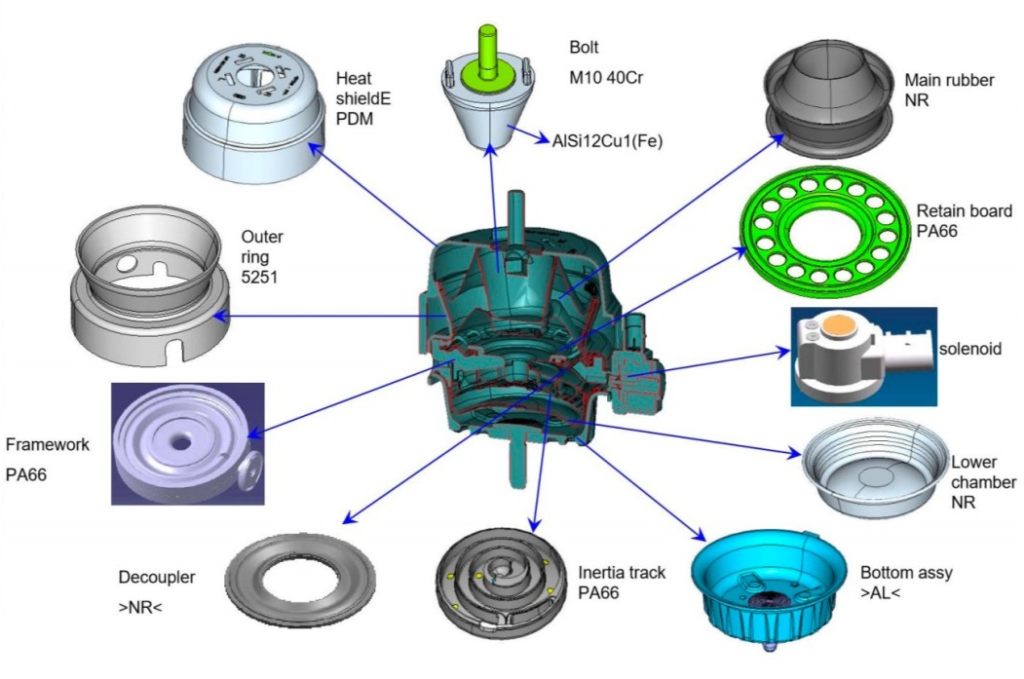
Before diving into the varieties, let’s answer the fundamental question: what is an engine mount? Often called a motor mount, it is the component that holds the engine to the vehicle’s chassis.
But what do motor mounts do exactly?
- Support: They physically secure the heavy engine and transmission.
- Vibration Dampening: They absorb the massive vibrations generated by the engine.
- Alignment: They ensure the drivetrain stays aligned to prevent damage to the axles and transmission.
Knowing what’s a motor mount failure looks like (excessive shaking or clunking) is the first step in maintaining vehicle longevity.
Common Types of Engine Mounting Systems
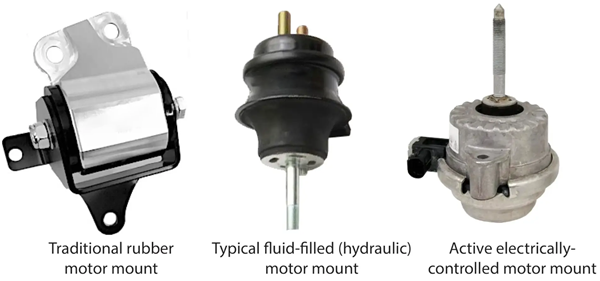
There are several types of engine mounts used in modern vehicles, each designed to balance cost, comfort, and performance. Understanding the engine mount types helps in selecting the best replacement for specific driving conditions.
Solid Rubber Mounts
The most widely used type of car mount. It consists of a rubber block bonded to metal brackets. They are durable, cost-effective, and provide excellent vibration absorption for standard daily drivers.
Hydraulic Engine Mounts
In the world of auto engine mounts, hydro-mounts are the premium choice. They contain a hollow chamber filled with glycol or hydraulic fluid to dampen high-frequency vibrations. These are commonly seen in high-end vehicles.
Active/Electronic Control Mounts
These high-tech types of engine mounting adjust their stiffness in real-time based on engine sensors. They are built to reduce certain engine vibrations.
Comparison of Engine Mount Types & Performance
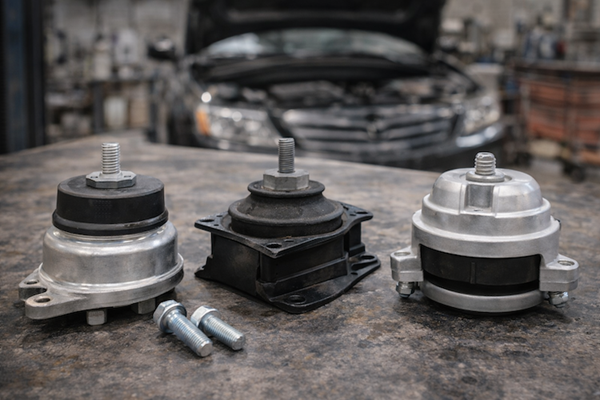
To help you distinguish between the types of car mounts, we’ve summarized their characteristics in this table:
| Mount Type | Vibration Dampening | Durability | Best For |
| Solid Rubber | ★★★☆☆ | ★★★★★ | Standard Sedans & Trucks |
| Hydraulic (Fluid) | ★★★★★ | ★★★☆☆ | Luxury Vehicles |
| Polyurethane | ★★☆☆☆ | ★★★★★★ | Performance & Racing |
| Electronic/Active | ★★★★★★ | ★★☆☆☆ | High-End Modern Cars |
Why Source GDST Auto Engine Mounts?
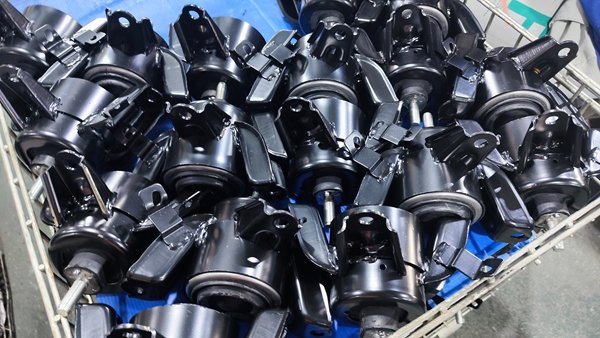
As a direct manufacturer, GDST auto parts understands that the quality of auto engine mounts depends on the bond between rubber and metal.
- Premium Material Control: We use high-grade natural rubber designed to prevent the early failure common in low-cost types of car mounts.
- Factory-Direct Pricing: Eliminate middlemen markups on all engine mount types.
- Global Distribution: We provide bulk supplies for wholesalers with customized packaging options.
💡 Expert Tip: When sourcing, don’t just ask what is the engine mount price; ask about the rubber’s shore hardness. GDST mounts are tested for 100,000+ cycles to ensure they outperform the competition.
How to Identify Failing Motor Mounts?
Now that you know what are motor mounts on a car, how do you know when they are bad?
- Excessive Vibration: If the steering wheel shakes at idle, it’s a sign of a failed auto engine mount.
- Engine Movement: If the engine “lurches” when shifting gears, the mount’s bond has broken.
- Noises: Loud clunking or banging from the engine bay is a classic symptom of worn engine mount types.
FAQ: Everything You Need to Know
What are motor mounts on a car made of?
Most are made of high-strength steel or aluminum brackets bonded to a rubber or polyurethane core.
Is there a difference between an engine mount and a motor mount?
No, they are the same thing. What is a engine mount is simply the more technical term, while “motor mount” is common in North America.
How long do types of engine mounting last?
Typically, 5 to 7 years. However, oil leaks from the engine can degrade the rubber, shortening the life of your auto engine mounts.
What happens if I keep driving with bad motor mounts?
Beyond the annoying shaking, failing motor mounts on a car can cause the engine to tilt. This puts extreme pressure on radiator hoses, wiring harnesses, and the exhaust system, which can lead to catastrophic engine damage or a broken transmission housing.
Should I choose rubber or polyurethane when looking at types of car mounts?
For a daily driver, rubber engine mounts are the best choice as they provide superior vibration dampening. Polyurethane is much stiffer; while it’s one of the most durable engine mount types for racing, it will transmit significantly more noise and vibration into the cabin.