Is your vehicle feeling unsteady, or have you noticed a bad sway bar link sound during turns? Discover the top Symptoms of a Bad Sway Bar Link and keep your ride smooth and safe.
Understanding the Sway Bar Link
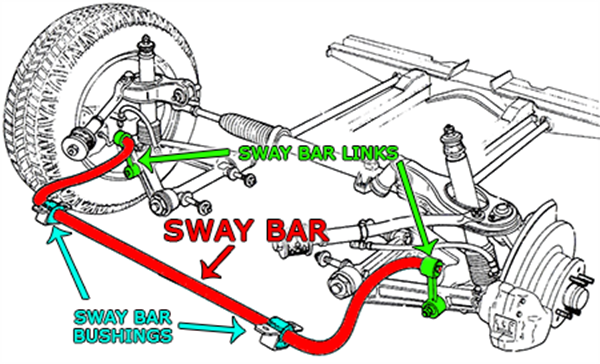
The sway bar link, also known as the stabilizer bar link or anti-roll bar, is a crucial component of your vehicle’s suspension system. This small but mighty part connects the sway bar to the suspension. Its primary function is to stabilize the car and reduce body roll.
Sway bar and sway bar links work together to keep both sides of the suspension balanced. Despite their robust build, these parts are susceptible to wear. Knowing how long sway bar links last depends on your driving conditions, but they often require stabilizer bar repair after years of stress.
Importance of Sway Bar Links in Vehicle Handling
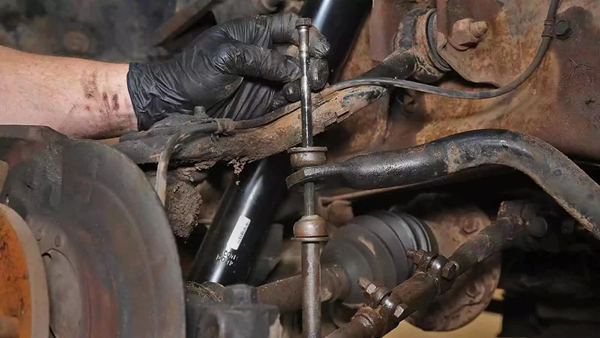
Are sway bar links important? Absolutely. They work in tandem with the stabilizer bar to minimize body roll. When you enter a turn, the links distribute weight across all tires. Without a functional stabilizer link, the car’s body would lean excessively, making it difficult to control a broken sway-bar car.
Moreover, healthy links contribute to the longevity of your anti-roll bar links. By minimizing excessive movement, they help prevent broken stabilizer link issues and maintain the overall performance of your vehicle.
Common Symptoms of a Failing Sway Bar Link
To help you quickly identify if you have a bad stabilizer bar or just worn-out links, use this reference table:
| Symptom | Common Cause | How to Tell if the Sway Bar Link is Bad |
| Bad sway bar link sound (Clunking/Rattling) | Worn-out bushings or a loose stabilizer bar link | Listen for metal-on-metal noise when driving over small bumps. |
| Loose sway bar link / Excessive Body Roll | Broken sway bar or detached link | The vehicle leans heavily during turns; handling feels “boaty.” |
| Sway bar end links noise (Squeaking) | Dry or cracked arb bushes (bushings) | The noise is most noticeable at low speeds during steering maneuvers. |
| Uneven tire wear | Misalignment caused by a damaged sway bar link | Inspect tire treads for “cupping” or one-sided wear patterns. |
| Can sway bar links cause clunking? | Yes, definitely. | If you hear a clunk while the steering wheel is straight but the road is bumpy, it’s a primary sign. |
A bad sway bar link can manifest through various sway bar symptoms. One of the most common signs of a bad sway bar link is unusual noises. But what does a bad sway bar link sound like? Typically, you’ll hear a bad sway bar link sound—a distinct clunking or rattling—when driving over bumps.
Other symptoms of bad sway bar links include:
- Poor Handling: Increased body roll or a “loose” feeling.
- Sway Bar End Links Noise: A localized knocking sound near the wheels.
- Uneven Tire Wear: A result of the suspension failing to distribute weight.
Whether you are experiencing bad front sway bar symptoms or symptoms of bad rear sway bar links, these sway bar symptoms should never be ignored.
How to Identify Sway Bar Link Issues
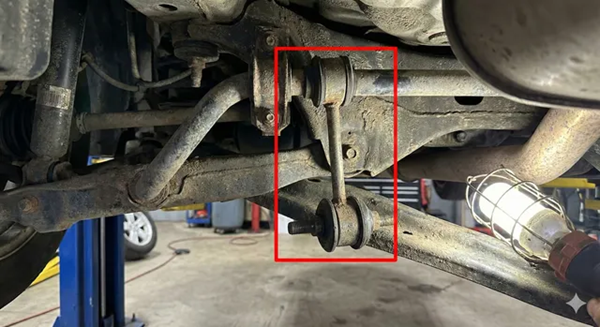
Wondering if your sway bar links are worn out? Spotting problems early can help you avoid costly repairs down the line. Here’s how you can inspect sway bar links:
- Visual Check: Look for any visible damage to the sway bar link or broken parts. Check if the link is loose or if the bushings are worn or torn.
- Sound Test: If you’re hearing clunking noises while driving over bumpy roads, it could be a sign that your sway bar links are bad. Listen closely for any unusual sounds.
- Manual Test: Refer to a stabilizer bar diagram to locate the link, then give it a shake. If it feels loose, it’s time for a replacement.
Consequences of Ignoring Sway Bar Link Problems
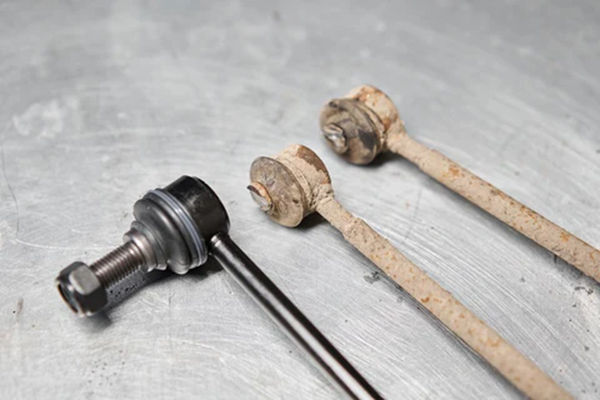
Ignoring broken sway bar link issues can lead to a cascade of problems. One immediate consequence is bad sway bar symptoms like compromised stability. Over time, the extra stress can lead to a broken anti-roll bar or a broken stabilizer link entirely.
Furthermore, bad stabilizer link symptoms often mask deeper issues. A damaged sway bar link can put pressure on your struts and shocks, leading to a much higher sway bar link repair bill later on.
DIY Inspection: Checking Your Sway Bar Links
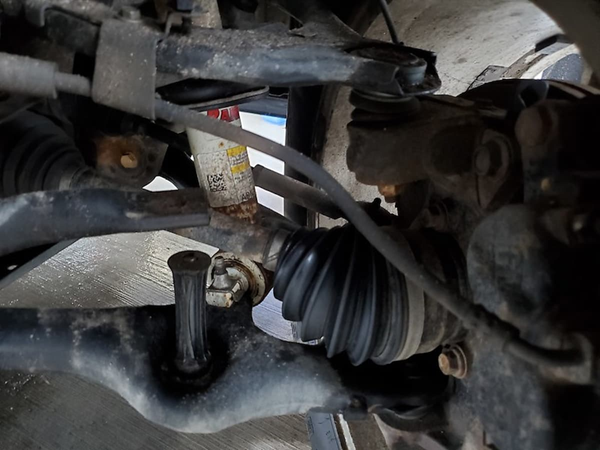
Conducting a DIY check for symptoms of bad stabilizer bar components is practical. Once the car is elevated, look at the sway bar link symptoms visually. Check the sway bar end link symptoms, such as grease leakage or cracked boots. If you see a broken sway bar, the vehicle is unsafe to drive at high speeds.
Cost of Replacing Sway Bar Links
The cost for a sway bar link repair or a sway bar link project is relatively affordable. While bad sway bar end link symptoms might seem minor, replacing them promptly prevents the need for a full stabilizer bar repair. On average, parts for a sway bar fix are inexpensive, but labor varies depending on whether you have bad front sway bar link symptoms or rear issues.
Preventative Maintenance Tips
To avoid anti-roll bar symptoms, keep your suspension clean. Road salt can cause a broken stabilizer link. Regularly check for sway link symptoms during oil changes. Understanding how to tell if a sway bar link is bad through regular sway bar link inspection will ensure your stabilizer bar link noise stays silent and your ride stays smooth.
Conclusion
Recognizing symptoms of sway bar link failure is essential for any driver. Whether it’s a bad sway bar link sound or a visible broken anti-roll bar, addressing these signs of a bad sway bar link promptly is key. By staying proactive and knowing how to tell if your sway bar is bad, you ensure a safer, more reliable driving experience.
FAQ About Sway Bar Links
How long do sway bar links last?
Generally, sway bars and sway bar links last between 50,000 and 100,000 miles. However, frequent driving on rough roads or in harsh weather can lead to a broken stabilizer link much sooner.
What are the most common bad sway bar link symptoms?
The most frequent signs of a bad sway bar link include a noticeable bad sway bar link sound (clunking), increased body roll during turns, and a general “loose” feeling in the steering.
Can I drive with a damaged sway bar link?
While the car may still move, it is not recommended. A broken sway bar car has significantly compromise stability, especially during emergency maneuvers or high-speed turns, increasing the risk of an accident.
Is stabilizer bar repair expensive?
Luckily, no. Replacing anti-roll bar links is one of the more affordable suspension repairs, typically costing between $100 and $300. Addressing sway bar link symptoms early prevents more costly damage to your struts and control arms.
How to tell if the sway bar link is bad by looking at it?
During a sway bar link inspection, look for cracked or missing rubber bushings, rusted metal, or signs that the sway bar link is loose. If the link moves easily by hand when the car is jacked up, it needs a sway bar fix.
Need a fast solution? GDST auto parts provides the most comprehensive product catalog and the quickest response in the industry—for a quote on high-quality sway bar links and vehicle bushings!