A suspension control arm is a vital part of a vehicle’s suspension system, allowing the wheels to move vertically while keeping them properly aligned. It connects the wheel hub to the car’s frame, playing a key role in maintaining stability and smooth driving performance. In this article, we’ll explore the function of suspension control arms, the different types available, and their significance in ensuring optimal vehicle handling.
For a deeper understanding of control arms and their role in your vehicle, be sure to check out our What Is a Control Arm? guide.
The Role of a Suspension Control Arm in Your Vehicle
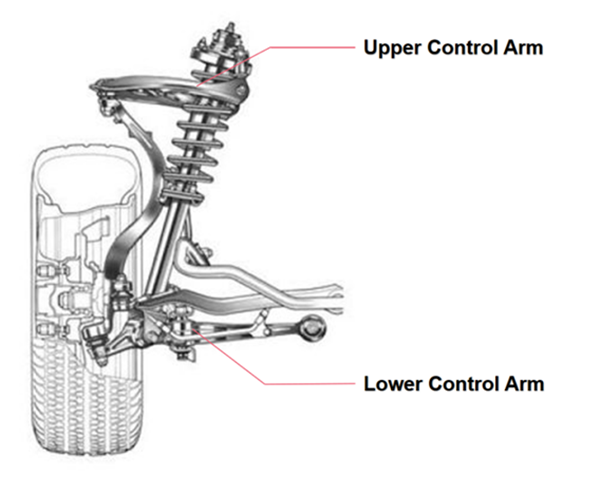
The suspension control arm plays a crucial role in your vehicle’s overall handling. Connecting the wheel hub to the frame, it allows for controlled vertical movement of the wheels, ensuring they stay aligned with the car’s body. This means that when you drive over bumps or make sharp turns, the control arm helps absorb those forces, providing a smoother ride and more precise steering.
Understanding its role is key to recognizing how vital the control arm is in maintaining the balance and comfort of your vehicle. If you’re curious about how this part influences your car’s overall performance, take a look at our article on the Function of a Control Arm in a Car.
Different Types of Suspension Control Arms
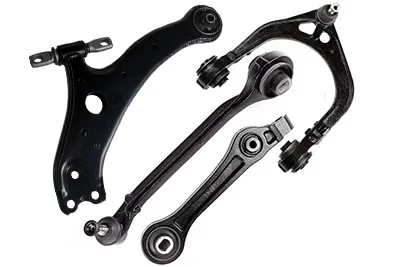
Suspension systems come in various designs, and the type of control arm used depends on the vehicle’s suspension setup. Below, I will introduce some of the most common types:
- Single Control Arm: Typically used in front-wheel-drive (FWD) vehicles, this simple design is both cost-effective and reliable for everyday driving.
- Double Control Arm: Found more often in rear-wheel-drive (RWD) and all-wheel-drive (AWD) vehicles, this setup offers better handling, stability, and control, especially when turning or driving on uneven roads.
- Independent Suspension: More complex, this system uses multiple control arms, providing high precision and performance. It’s commonly seen in luxury or high-performance vehicles, where top-notch handling and comfort are crucial.
To explore how control arm configurations vary between different vehicle types, check out our guide on How Many Control Arms Does a Car Have?.
Example Table:
| Suspension Type | Control Arm Type | Key Benefits | Market Demand |
|---|---|---|---|
| Front-Wheel Drive (FWD) | Single Control Arm | Simple design, cost-effective, reliable | High in mass-market vehicles |
| Rear-Wheel Drive (RWD) | Double Control Arm | Improved handling, better control | High in trucks and sedans |
| All-Wheel Drive (AWD) | Double Control Arm | Superior stability, better performance | Increasing in SUVs and crossovers |
| Independent Suspension | Multiple Control Arms | High precision, enhanced performance | High demand for luxury cars |
Looking for premium control arms? At GDST, we specialize in high-strength control arms that meet international standards. Get a quote today!
Materials Used in Suspension Control Arms
When it comes to materials, suspension control arms are typically made from steel, aluminum, or composite materials, each offering specific advantages:
- Steel: Known for its durability and cost-effectiveness, steel is often used in standard vehicles. However, it’s heavier than other materials.
- Aluminum: A lighter and more corrosion-resistant option, aluminum is often found in higher-end or performance-oriented vehicles, offering improved fuel efficiency and handling.
- Composite Materials: These are even lighter and provide excellent strength, making them ideal for high-performance and racing vehicles. Keep in note that these products are usually a bit more expensive.
If you’d like to learn more about which specific components the control arm interacts with in the suspension system, we recommend reading our article Where Does the Control Arm Connect? to gain a deeper understanding.
Symptoms of a Bad Suspension Control Arm
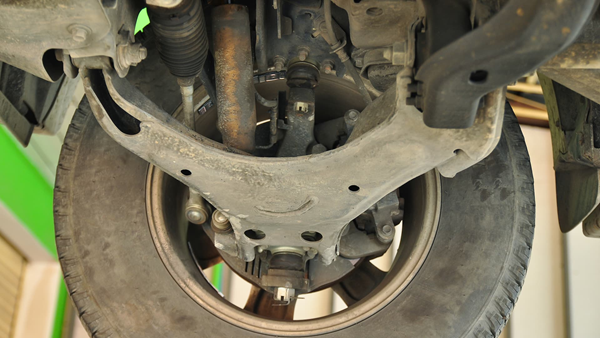
Worn or damaged suspension control arms can lead to noticeable issues with your vehicle’s handling and stability. Some common signs that your control arms may need replacement include:
- Clunking or knocking sounds when driving over bumps or making turns.
- Uneven tire wear resulting from misalignment caused by a faulty control arm.
- Vibrations or instability in the steering wheel, especially when navigating turns or uneven terrain.
If you notice any of these symptoms, it’s a good idea to have your control arms inspected as soon as possible. To learn more about what to look for, check out our detailed article on Symptoms of a Bad Control Arm.
How Suspension Control Arms Connect to Other Suspension Components
A suspension control arm is just one part of the larger suspension system, but it works closely with several other components to ensure that your vehicle handles smoothly. It typically connects to bushings, ball joints, and shock absorbers, all of which help keep the wheels in the correct position while allowing them to move independently.
The coordination of these parts is essential for your vehicle’s handling, and each one plays a key role in maintaining proper alignment. To understand how control arms work within the broader suspension system, check out our guide on What Does a Control Arm Connect To?.
The Importance of Suspension Control Arms for Vehicles
Suspension control arms are not just about keeping the wheels in place—they are integral to the overall performance and safety of your vehicle. They help absorb shocks, maintain wheel alignment, and improve handling, particularly during high-stress situations like cornering or braking.
For vehicles to perform at their best, especially in terms of comfort and safety, control arms need to be in excellent condition. If you want to know more about how they affect your vehicle’s driving experience, have a look at our article on How Do Control Arms Work?.
Conclusion
Suspension control arms are essential for ensuring a smooth ride and precise handling, making them one of the most important components of a vehicle’s suspension system. Whether you’re a vehicle owner or a wholesale suspension parts distributor, understanding how these parts work can help you make better decisions when it comes to maintenance and inventory management.
If you’re searching for a suspension control arm manufacturer, look no further than GDST Auto Parts. We combine decades of manufacturing experience with factory-direct pricing to offer high-quality, durable control arms for a wide range of vehicles.
For a complete overview of suspension control arms, check out our Complete Control Arm Guide.
Related Control Arm Guides
💡 Expand Your Knowledge
If you found this article beneficial, we think you might also be interested in the following related guides:
🔗 What Is a Control Arm? – Learn about the basic function and definition of a control arm.
🔗 Function of a Control Arm in a Car – Understand the role control arms play in vehicle performance.
🔗 Where Is the Control Arm Located? – Find out where control arms are positioned in your vehicle.
🔗 How Do Control Arms Work? – Explore the mechanics behind how control arms support vehicle handling.
🔗 What Does a Control Arm Connect To? – Learn how the control arm connects to other parts of the suspension system.
🔗 What Is the Difference Between a Control Arm and Wishbone? – Understand the difference between these two suspension components.
FAQ: Frequently Asked Questions
Common signs of faulty control arms include clunking noises, uneven tire wear, and vibrations in the steering wheel. For a more comprehensive list of symptoms, check out our article on Symptoms of a Bad Control Arm.
The cost can vary depending on your vehicle’s make and model, but the average cost ranges between $200 and $500. For a more accurate quote, contact us for a customized bulk quote.
No, control arms vary based on the vehicle’s suspension design. For example, front-wheel drive vehicles typically use fewer control arms than rear-wheel drive or all-wheel drive vehicles, which require more for optimal handling. Learn more in our article on How Many Control Arms Does a Car Have?
Replacing control arms requires specialized tools and knowledge, so it’s typically recommended to have a professional mechanic handle the job to ensure safety and proper installation.
Final Thoughts:
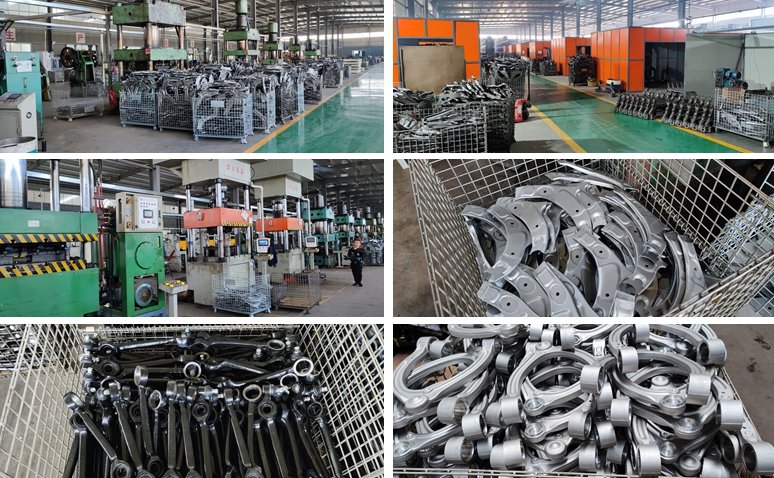
This article provides you with a thorough understanding of the crucial role suspension control arms play in your vehicle. Whether you’re managing inventory or maintaining your own car, knowing how control arms function is key to ensuring optimal performance and safety.
Are you looking for a professional suspension control arm manufacturer? At GDST auto parts, we offer wholesale suspension parts with top-tier quality and factory-direct pricing.