
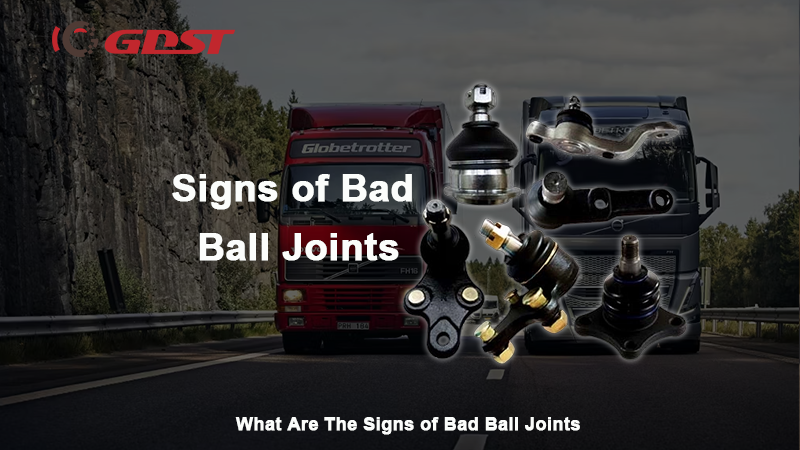
Ball joints may not get a lot of attention, but they play a vital role in your vehicle’s suspension and steering system. Essentially, they connect your wheels to the frame of your car, allowing the wheels to move up and down while you steer. When these small but important parts begin to wear out, it can cause big problems, affecting how your vehicle handles and even putting your safety at risk. As an auto professional, it’s crucial to spot the signs of bad ball joints early on. By doing so, you can prevent further damage and ensure your customers can drive safely. In this guide, we’ll walk you through both the common signs and emergency symptoms of bad ball joints, as well as give you tips on how to inspect and address any issues quickly and effectively.
Common Signs of Bad Ball Joints
Ball joint problems typically start as minor issues but can escalate quickly if left unchecked. Here are some common signs of bad ball joints to watch for.
Noises (Most Common Early Symptoms)
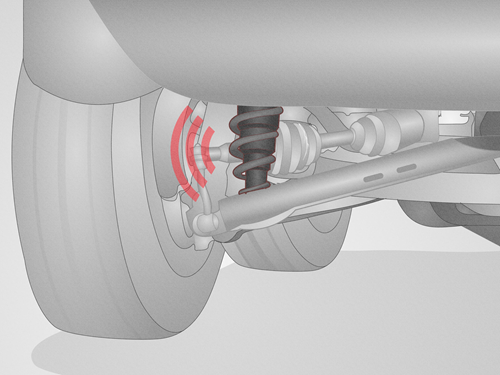
One of the first signs that a ball joint may be going bad is noise. Worn-out ball joints often produce sounds as they lose lubrication and start to develop play inside the joint.
- “Clunking” Sound: When driving over bumpy roads or making sharp turns, a clunking sound often occurs. This is caused by loose ball joints, resulting in components colliding with each other.
- “Squeaking” or “Creaking” Sound: When the ball joint lacks lubrication, you may hear a squeaking or creaking sound. This typically happens when driving at lower speeds or when the suspension moves under pressure, such as when going over speed bumps.
Instability and Poor Handling

Bad ball joints directly affect how a vehicle handles. As they deteriorate, they create instability in the suspension system, which can be noticed during normal driving.
- Steering Wheel Sloppiness: If the steering wheel feels loose or unresponsive, it may indicate that the ball joints are worn. A loose steering wheel occurs when the ball joints no longer maintain the correct alignment between the wheels and the steering mechanism.
- Vehicle Pulling to One Side: When the ball joints are unevenly worn, they may cause the vehicle to pull to one side, even on flat roads. This is because the ball joints influence the alignment of the suspension, and when they fail, it leads to poor steering response.
- Poor Cornering or “Floatiness”: If you feel like the vehicle is overly wobbly or imprecise when turning, it could be a sign of ball joint issues. Worn joints can lead to excessive body roll or sluggish response during cornering, making the vehicle feel unstable, especially at higher speeds.
Abnormal Tire Wear
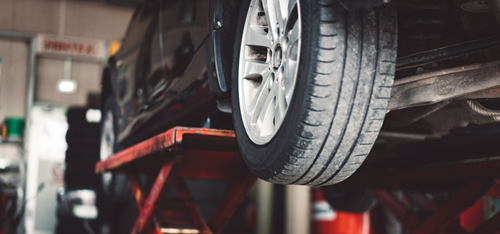
The condition of the tires can reveal a lot about the health of the ball joints. If the suspension components, including the ball joints, are worn, they won’t keep the tires properly aligned.
- Uneven tire wear: Ball joint wear or looseness often causes uneven tire wear, particularly on the inner or outer edges of the tires. Even if your vehicle has been aligned recently, the wear pattern could indicate a problem with the ball joints, especially if you notice this pattern on just one side of the vehicle.
Visible Signs During Inspection
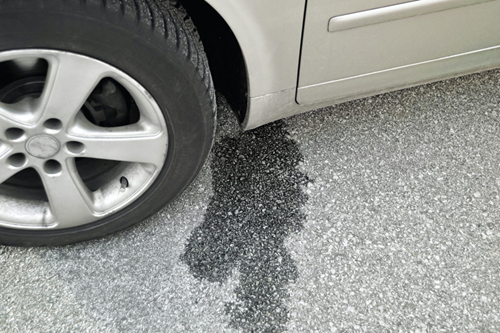
You don’t always need to drive the vehicle to spot potential ball joint issues. A visual inspection can uncover warning signs that may not be immediately apparent while driving.
- Cracked Dust Boot: The dust boot around the ball joint is designed to protect it from dirt, debris, and moisture. Over time, this protective covering can crack or tear, allowing contaminants to damage the joint. If you notice any visible cracks in the dust boot, it’s a strong indication that the ball joint may be compromised.
- Lubricant Leakage: Another visible sign is the presence of grease or lubricant around the ball joint. If the dust boot is damaged or has worn out, the grease will leak out, leaving the joint exposed to dirt and moisture. This can accelerate the wear and cause further damage to the ball joint.
Emergency Signs of Severe Ball Joint Failure
If the signs of ball joint wear are ignored, they can lead to severe failure, resulting in unsafe driving conditions. If you notice any of these emergency signs, it’s crucial to stop driving and have the vehicle inspected immediately.
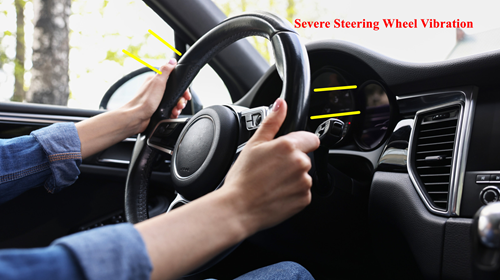
- Severe Steering Wheel Vibration
One of the most alarming symptoms of a failing ball joint is intense vibration in the steering wheel. If you feel the steering wheel vibrating, especially at high speeds, this could be a sign that the ball joints are severely worn, preventing the suspension system from maintaining proper alignment. This vibration can affect the vehicle’s stability, making it harder to control.
- “Loose” or “Wobbly” Suspension Feel
If the front end of the vehicle feels unstable or wobbly, it’s a serious sign of ball joint failure. When a ball joint is on the verge of breaking, it can cause the suspension to feel “loose” or overly responsive to minor bumps or uneven surfaces. This is especially noticeable when driving over potholes or rough roads.
- Dangerous “Clunking” or “Popping” While Turning or Changing Lanes
If you hear a clunking or popping sound when turning or changing lanes, this could mean the ball joint is about to completely fail. This noise often comes with a jolt or loss of control in the steering, which is a serious safety hazard. In some cases, the ball joint may detach entirely, causing the wheel to collapse, leading to a major accident.
How to Inspect Ball Joints
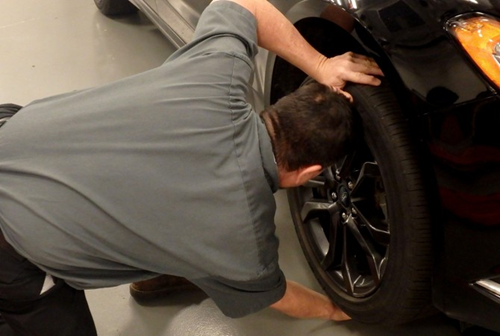
Inspecting ball joints is an essential skill for any mechanic. Here’s how you can perform a proper inspection.
Visual Inspection
First, inspect for any visible signs of damage, such as cracks on the dust cover or grease leakage around the joints. If the dust boot is compromised, dirt and moisture can get inside, which will accelerate the ball joint’s wear.
Physical Testing
To test the ball joints physically, lift the vehicle and check the wheel for play. Grip the tire at the 9 and 3 o’clock positions and rock it back and forth. If there is noticeable movement or noise, the ball joint may need replacing.
Professional Tools
It is essential to use the right tools for a thorough inspection. A ball joint press is essential for safely removing and replacing ball joints without damaging the suspension. Professional-grade tools help ensure that the inspection is accurate and that repairs are done properly.
Causes of Ball Joint Wear

Ball joints don’t wear out for no reason. Here are the main contributors to ball joint wear.
Driving Conditions
Driving on bumpy roads, potholes, or gravel puts extra pressure on your suspension system, especially the ball joints. If you often drive in rough conditions or go off-road, the constant jarring can cause the ball joints to wear out more quickly. The repeated impacts from bumps and holes make the joints work harder, causing them to break down faster. This means that harsh driving conditions can lead to early signs of ball joint issues.
Vehicle Age and Mileage
As your vehicle ages and racks up mileage, all its components, including the ball joints, naturally begin to wear out. Vehicles with high mileage are more prone to ball joint wear, as prolonged use of the suspension system leads to gradual deterioration over time.
Improper Maintenance
Failure to properly maintain the suspension system can also lead to premature ball joint wear. Neglecting regular inspections, failing to lubricate the ball joints, or not addressing minor issues when they arise can all contribute to faster deterioration. Additionally, poor alignment or improperly balanced tires can place extra strain on the ball joints.
Conclusion
Recognizing the signs of bad ball joints early can prevent serious accidents and costly repairs. Whether it’s the clunking noises, vibration in the steering wheel, or abnormal tire wear, these signs should never be ignored. Regular inspections, proper maintenance, and quick action can help extend the life of your vehicle’s suspension system. For auto professionals, being able to spot these signs quickly will build customer trust and keep vehicles running safely on the road.