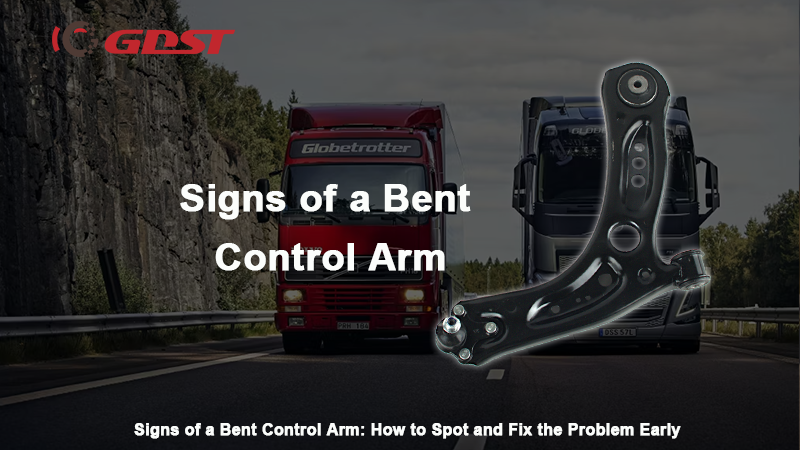
Your control arm is a vital part of your vehicle’s suspension system. It plays a key role in connecting the wheels to the frame and ensures your car handles well on the road. But when the control arm bends, it can lead to some serious driving issues. So, how can you tell if your control arm is bent? Look out for a few signs. If you experience vibrations in the steering wheel, uneven tire wear, or your car pulling to one side, these could be clear indicators that the control arm is bent. These problems can worsen if not addressed, so it’s important to catch them early.
In this article, we’ll walk you through the signs of a bent control arm, what causes it, and how to fix it. We’ll also explain the difference between a bent control arm and a worn-out one, helping you make the right choice for your vehicle.
What Causes a Control Arm to Bend
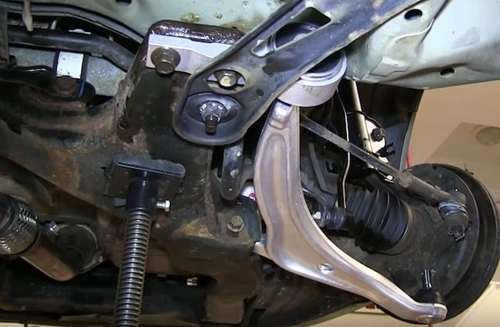
A control arm can bend due to several factors, typically related to external impacts or stress:
- Accidents or Collisions
- A significant impact, like a car crash or hitting a curb, can cause the control arm to bend and affect the alignment of your suspension.
- Rough Road Conditions
- Regularly driving on rough, uneven roads or hitting large potholes can put stress on the control arm, leading to bending over time.
- Excessive Wear
- While less common, excessive wear due to old age or lack of maintenance can weaken the control arm, making it more prone to bending under pressure.
If you’re interested in understanding more about what causes control arms to fail, check out our article on What Causes Control Arms to Go Bad?
Signs of a Bent Control Arm
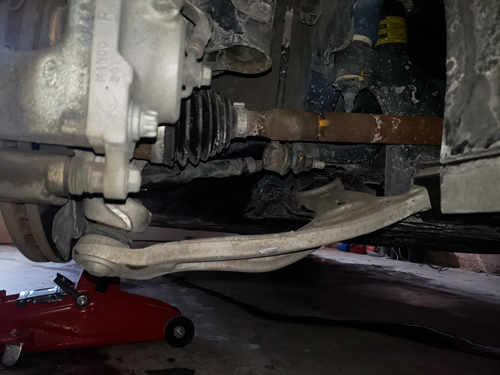
If your control arm is bent, you’ll likely notice a few changes in how your car drives. The following signs require attention:
- Steering Wheel Vibration
- A bent control arm can cause the steering wheel to vibrate, especially at higher speeds. This happens because the suspension is no longer aligned properly, causing uneven stress on the steering components.
- Uneven Tire Wear
- If the control arm is bent, it can throw off the alignment of your wheels, causing the tires to wear unevenly. This can lead to an increased risk of tire blowouts and the need for more frequent tire replacements.
- Steering Pull
- A bent control arm may cause the car to pull to one side when driving. This is especially noticeable when driving on straight, flat roads. If you constantly have to steer your car to keep it in a straight line, the control arm may be to blame.
- Clunking Noises
- When you drive over bumps or uneven surfaces, a bent control arm can create a clunking sound from the suspension. This is because the bent arm may not be absorbing shocks as it should, leading to noise and poor suspension performance.
- Poor Handling or Cornering
- A bent control arm can affect the car’s handling, making it feel less responsive or unstable when cornering. This can be a serious safety concern, as it impacts the vehicle’s overall control.
| Sign of a Bent Control Arm | Possible Consequences | Severity of Issue |
|---|---|---|
| Steering Wheel Vibration | Loss of control, uncomfortable drive | Moderate to Severe |
| Uneven Tire Wear | Increased tire replacement cost | Moderate to Severe |
| Steering Pull | Unsafe driving, difficulty in lane keeping | Severe |
| Clunking Noises | Potential suspension damage | Moderate |
| Poor Handling or Cornering | Risk of accidents, unstable driving | Severe |
Bent vs. Worn: What’s the Difference?
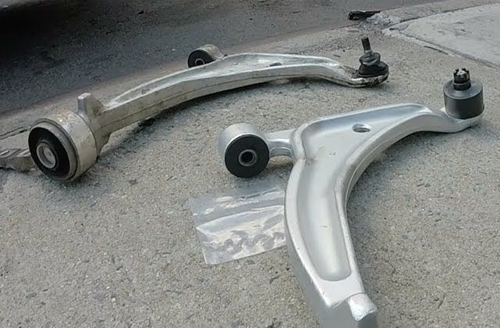
Before jumping to repairs, it’s important to understand the difference between a bent control arm and a worn control arm. Although both can cause issues with your car’s suspension, the problems are different.
- Bent Control Arm:
- A bent control arm is a physical change in the structure. It happens when the control arm is subjected to an impact, like from a collision or hitting a large pothole. The arm bends, causing it to misalign the wheels, which leads to poor handling, uneven tire wear, and other issues. A bent control arm typically requires replacement, as it can’t be fixed.
- Worn Control Arm:
- Worn control arms, on the other hand, occur gradually over time. The rubber bushings or ball joints that help the control arm move smoothly start to wear down. This results in clunking noises, loose handling, or a rougher ride. Unlike a bent control arm, worn parts may be repairable or can be replaced without needing a full control arm replacement.
Understanding these differences is crucial in determining the proper course of action. If your control arm is bent, you’ll need to replace it. If it’s worn, you may be able to get away with just replacing the bushings or joints.
How to Fix a Bent Control Arm

Fixing a bent control arm is not a simple task. In most cases, it will need to be replaced. Here’s what you should do:
- Inspection by a Professional
- If you suspect a bent control arm, have a professional mechanic inspect your car. They’ll assess the damage and confirm whether the control arm is bent or if other suspension components are affected.
- Replacement of the Control Arm
- In most cases, the control arm will need to be replaced entirely. This involves removing the damaged control arm and installing a new one that matches your vehicle’s specifications. You can also choose a customized control arm if your vehicle requires special parts.
- Alignment Check
- After replacing the control arm, the car’s alignment will need to be checked and adjusted to ensure proper wheel positioning. This helps avoid uneven tire wear and ensures your car drives smoothly.
For more information on how to replace a control arm, check our article on How to Replace a Control Arm.
If you’re looking for high-quality control arms that fit your vehicle perfectly, GDST Auto Parts offers durable, OE-quality parts that meet international standards. We offer factory-direct sales and can customize the control arms based on your needs.
Why Choose GDST Control Arms for Your Vehicle?
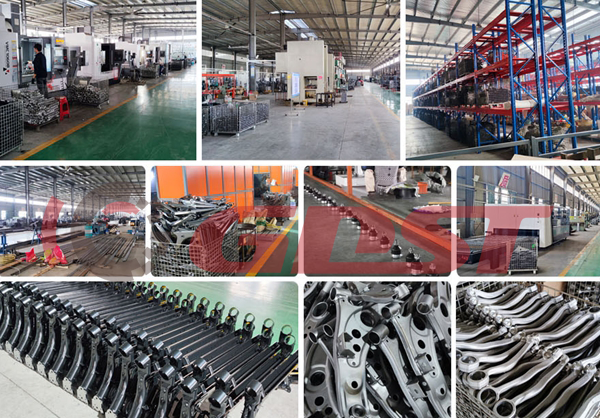
GDST is a leading manufacturer of control arms, providing high-strength, OE-quality parts that meet international standards. Here’s why you should choose us for your control arm needs:
- High-Quality Materials: Our control arms are made from durable materials, designed to withstand the toughest conditions.
- Factory-Direct Sales: By purchasing directly from us, you’ll save on middleman costs while getting the best quality control arms.
- Customization: We offer customized control arms to meet your specific vehicle requirements.
- Warranty and Support: We provide a one-year warranty and lifetime support to ensure your vehicle remains in top condition.
For more information or to get a quote, contact us today.
Related Control Arm Guides
Here are some additional articles that may interest you:
- How to Replace a Control Arm?
- Function of a Control Arm in a Car
- Where Is the Control Arm Located?
- What Causes Control Arms to Go Bad?
- Can You Drive with a Bad Control Arm?
- What Happens If a Control Arm Breaks?
For a Complete Overview of Suspension Control Arms, Check Our Complete Control Arm Guide.
Conclusion
A bent control arm can seriously affect your vehicle’s handling and safety. By recognizing the signs early and addressing the issue promptly, you can avoid more costly repairs down the road. If you suspect that your control arm is bent or worn, contact a professional for an inspection. And if you need high-quality replacement parts, GDST Auto Parts is here to help. Don’t wait—ensure your vehicle is safe to drive today.
Frequently Asked Questions
A worn control arm usually results in noises like clunking or loose handling, while a bent control arm typically causes issues like vibration in the steering wheel, uneven tire wear, or the vehicle pulling to one side. If you’re unsure, a mechanic can help diagnose whether it’s worn or bent.
In most cases, a bent control arm needs to be replaced rather than repaired. The physical bending usually affects the alignment and handling, so a replacement is necessary to restore proper suspension function.
The cost of replacing a control arm varies depending on your vehicle’s make and model, but it typically ranges from $200 to $500 per arm, including parts and labor. Some high-end vehicles may cost more, and if both sides need replacing, the cost will be higher.
Driving with a bent control arm is risky and not recommended. It can significantly affect your vehicle’s handling and safety, especially when driving at higher speeds or making turns. If you suspect a bent control arm, get it checked and replaced as soon as possible.