
Adjustable Control Arms for Automotive Aftermarket & Wholesale Supply

Adjustable Control Arms for Automotive Aftermarket & Wholesale Supply
MOQ
50PCS
Price
$10-$30
Warranty
1 Year From Receipt of Goods
Delivery Time
45-55 Days
Customization
  • Customized Logo
  • Customized Packaging
  • ODM/Sample Development

ISO9001 Certified

Fast Delivery

OEM/ODM
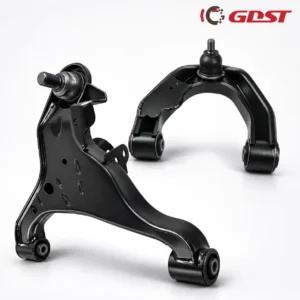
Wuhu GDST Auto Parts Co., Ltd works with international automotive aftermarket buyers on control arm sourcing, product identification, and application-specific supply requirements. Whether you are looking for adjustable upper control arms, adjustable lower control arms, or adjustable rear upper control arms, our team can review your requirements based on OE references, vehicle information, technical drawings, or physical samples.

Adjustable control arms are used in selected suspension applications where additional control over suspension geometry or wheel positioning is required. For distributors, importers, and aftermarket brands, choosing the correct product involves more than matching the vehicle model. Suspension design, mounting dimensions, joint configuration, and adjustment range must also be considered.

Part Number Application Position
48630-04021 Toyota Tacoma Pickup 2005-2023 Front Left Lower
48610-04021 Toyota Tacoma Pickup 2005-2023 Front Right Lower
48630-60040 Toyota 4Runner 2003-2024

Lexus GX470 & GX460 2003-2023

Front Left Upper
48610-60070 Toyota 4Runner 2003-2024

Lexus GX470 & GX460 2003-2023

Front Right Upper
52510-TEA-T00 Honda Civic 2016-2025 Rear Left Upper
52510-TVA-A00 Honda Civic 2016-2025 Rear Right Upper
20250FG021 Subaru WRX / STI 2008-2021 Rear Left Lower
20250FG020 Subaru WRX / STI 2008-2021 Rear Right Lower

Adjustable Control Arms for Different Suspension Applications

Adjustable control arms are suspension components designed to provide additional adjustment capability compared with fixed-length designs. Depending on the product construction, adjustments may involve effective arm length, mounting position or joint position.

They are commonly considered for vehicles with modified suspension heights, aftermarket suspension systems or alignment requirements that exceed the adjustment range of factory components.

Their actual function depends on the suspension layout and installation position. Independent suspension and solid axle suspension systems have different geometric requirements, so the same control arm design cannot be assumed to provide identical adjustment functions across different vehicles.

GDST supports product identification and application review to help buyers confirm the appropriate control arm configuration for their target markets.

Adjustable Control Arm Product Types

Adjustable control arms are classified according to their installation position and suspension function. Front and rear applications, as well as upper and lower configurations, require different mounting dimensions and technical specifications.

Adjustable Upper Control Arms

Adjustable upper control arms are commonly used in independent suspension systems, particularly front double-wishbone configurations.

Depending on the mounting geometry and adjustment mechanism, they may provide additional camber or caster adjustment. Some designs are developed for lifted trucks and SUVs, while others are intended for lowered vehicles or performance applications.

For buyers sourcing adjustable upper control arms, important considerations include mounting width, ball joint position, adjustment range, joint articulation and clearance around surrounding suspension components.

Adjustable Lower Control Arms

Adjustable lower control arms are installed at the lower suspension connection and help control wheel or axle positioning.

On independent suspension vehicles, their adjustment may influence wheel position, camber or other alignment-related geometry, depending on the design.

On solid axle vehicles, lower control arms work together with upper control arms to determine axle position and rotation. Their relative lengths are important when correcting suspension geometry after modifications.

Adjustable Rear Upper Control Arms

Adjustable rear upper control arms are used in selected independent rear suspension and solid axle applications.

On independent rear suspension vehicles, specific upper arm designs may provide additional control over rear camber or wheel positioning.

On solid axle vehicles, upper control arms work with lower control arms to influence axle rotation and pinion angle.

The correct configuration should be selected according to the rear suspension structure, driveline requirements and vehicle application.

Adjustable Rear Lower Control Arms

Adjustable rear lower control arms are commonly used in modified rear suspension systems.

For solid axle applications, their relative length compared with the upper arms influences axle position and rotation. For independent rear suspension vehicles, the adjustment function depends on the arm’s mounting points and suspension geometry.

These products should be matched to the vehicle’s original mounting structure and intended adjustment requirements.

Product Type Installation Position Potential Adjustment Function
Adjustable Upper Control Arm Front Upper Camber or caster correction, depending on design
Adjustable Lower Control Arm Front Lower Wheel positioning or alignment-related geometry, depending on design
Adjustable Rear Upper Control Arm Rear Upper Rear suspension geometry or axle rotation
Adjustable Rear Lower Control Arm Rear Lower Rear wheel or axle positioning, depending on design

Actual adjustment functions must be confirmed against the specific vehicle suspension layout and product design.

How Adjustable Control Arms Work

Adjustable control arms provide additional adjustment through different mechanical designs. The method depends on how the product is constructed.

Threaded Length Adjustment

Some control arms use threaded adjusters to change their effective length. A locking nut or another approved locking mechanism secures the selected position.

This design is commonly found in off-road and performance suspension applications.

Eccentric Cam Adjustment

Some adjustable control arms use eccentric cams at the mounting points. Rotating the cam changes the relative position of the arm and provides a defined alignment adjustment.

Sliding or Adjustable Mounting Positions

Certain designs use sliding mounting plates or adjustable joint positions to change the suspension geometry without necessarily changing the overall arm length.

Adjustable Ball Joint Position

Some upper control arms use adjustable ball joint plates or mounting arrangements to provide additional alignment correction.

These mechanisms are not interchangeable. Thread specifications, adjustment limits and locking arrangements must be confirmed for each product reference.

Understanding Camber, Caster and Toe

Camber

Camber is the inward or outward tilt of a wheel when viewed from the front or rear of the vehicle.

Certain adjustable upper or lower control arms can provide additional camber adjustment when their mounting geometry is designed for this purpose.

Caster

Caster is the angle of the steering axis when viewed from the side of the vehicle.

On applicable front suspension systems, adjustable control arms may provide additional caster correction, influencing steering stability and self-centering characteristics.

Toe

Toe describes the direction in which the wheels point when viewed from above.

Toe is generally adjusted through dedicated tie rods or toe links. Although some suspension link adjustments can influence toe, ordinary adjustable control arms should not automatically be described as toe adjustment components.

Axle Position and Pinion Angle

On solid axle suspension systems, the relative lengths of the upper and lower control arms influence axle rotation and positioning.

Pinion angle must be considered together with driveshaft operating angles and the vehicle manufacturer’s requirements. Adjustments should follow the specifications of the complete suspension and driveline system.

Adjustable Control Arm Design and Components

The construction of an adjustable control arm affects its load-bearing capability, articulation, installation compatibility and adjustment characteristics.

Control Arm Body

The main body connects the suspension mounting points and carries the loads associated with suspension movement.

Depending on the application, control arms may use stamped steel, formed steel, tubular steel or machined metal constructions.

Material selection and structural dimensions should be determined according to the intended vehicle application and engineering requirements.

Adjustment Mechanism and Locking Components

Threaded adjusters, eccentric cams and sliding mounting arrangements are different approaches to suspension adjustment.

For threaded designs, thread diameter, pitch, engagement length and locking arrangements are important specification points.

Ball Joints and Suspension Joints

Depending on the vehicle and control arm design, connection components may include ball joints, spherical bearings or flex joints.

These components have different articulation characteristics, mounting arrangements and maintenance requirements.

The correct joint configuration must match the original suspension design and the intended operating conditions.

Bushings

Bushings are used at control arm mounting points to accommodate suspension movement and isolate vibration.

Common aftermarket options include rubber and polyurethane bushings. Their material properties, dimensions and mounting configurations should be selected according to the application.

Surface Protection

The surface treatment should be appropriate for the base material and intended operating environment.

Suitable protective coatings can help reduce corrosion and maintain the condition of exposed metal surfaces.

Adjustable Control Arm Technical Specifications

For automotive parts importers and distributors, technical specifications are essential when selecting adjustable control arms for wholesale purchasing.

The following information should be confirmed for each product reference before quotation and production.

Technical Parameter Information to Confirm
Product Type Front Upper / Front Lower / Rear Upper / Rear Lower
Material Steel / Aluminum Alloy / Other Specified Material
Construction Stamped / Formed / Tubular / Machined
Adjustment Mechanism Threaded / Eccentric Cam / Sliding Plate / Other
Adjustment Range Actual length or angle range for the specific product
Overall Length According to approved product drawing
Thread Specification Diameter, Pitch and Thread Direction
Joint Configuration Ball Joint / Spherical Bearing / Flex Joint
Bushing Configuration Material and Mounting Dimensions
Surface Treatment According to material and product requirements
Package Configuration Individual / Pair / Complete Set
Vehicle Application Make, Model, Year and Suspension Position

Actual values must be confirmed against the corresponding product drawing, sample or approved technical specification.

Two adjustable control arms may look similar but have different mounting widths, thread dimensions, joint positions and adjustment limits. These differences can affect installation compatibility and available adjustment range.

For wholesale buyers, confirming the specifications before ordering helps reduce fitment problems and unnecessary after-sales costs.

Vehicle Applications and Fitment Support

Adjustable control arms are used across different vehicle platforms, including passenger cars, SUVs, pickup trucks and selected 4×4 vehicles.

However, product compatibility depends on the actual suspension structure, not simply the vehicle brand or model.

Vehicle Category Potential Product Requirements Important Fitment Checks
Passenger Cars Adjustable Front or Rear Arms Suspension layout, alignment requirements and mounting dimensions
SUVs Adjustable Upper or Lower Arms Suspension height, ball joint configuration and clearance
Pickup Trucks Adjustable Front Upper or Lower Arms 2WD / 4WD, lift configuration and mounting dimensions
4×4 Vehicles Adjustable Front or Rear Arms Axle position, joint articulation and pinion angle
Performance Vehicles Adjustable Suspension Arms Alignment targets, adjustment mechanism and joint configuration

Vehicle Fitment Confirmation

To identify the correct adjustable control arm, buyers should provide:

  • Vehicle make, model and production year.
  • Engine and trim information, where applicable.
  • 2WD, 4WD or AWD configuration.
  • Front or rear suspension position.
  • Upper or lower control arm requirement.
  • OE number or existing aftermarket part number.
  • Original or modified suspension height.
  • Product photographs, dimensions or technical drawings, if available.

For customized requirements, technical drawings and physical samples can help confirm mounting geometry and product configuration.

Adjustable Control Arms for Lifted, Lowered and Performance Vehicles

Different suspension modifications create different control arm requirements. The correct product depends on the vehicle’s original suspension geometry and intended modification.

Lifted Trucks and 4×4 Vehicles

Suspension lifts change the relative position of the chassis and axle or wheel assembly.

On suitable applications, adjustable control arms may provide additional alignment range or help reposition the axle after a lift.

For solid axle vehicles, the relative lengths of upper and lower control arms are particularly important when checking caster, axle rotation and pinion angle.

Not every lifted vehicle requires adjustable control arms. The actual requirement should be determined from the suspension design and alignment results.

Lowered Passenger Cars

Lowering a vehicle can change suspension operating angles and wheel alignment.

Adjustable upper, lower or rear suspension arms may provide additional adjustment capability when the factory alignment range is insufficient.

The appropriate component depends on the vehicle’s suspension layout and the alignment angle requiring correction.

Performance and Modified Suspension Systems

Performance vehicles may require different alignment settings according to their intended use.

Adjustable suspension arms can provide additional flexibility for selected camber, caster or wheel positioning requirements.

For street, drift and track applications, the adjustment mechanism, joint design, available articulation and intended operating conditions should be considered together.

GDST Control Arm Manufacturing and Quality Support

GDST has experience in automotive suspension and steering component manufacturing, with control arms included in its product range.

Our published control arm manufacturing information covers steel material processing, stamping, component assembly, dimensional verification and final inspection.

For control arm projects, quality inspection requirements are established according to the approved product specifications and actual construction.

Relevant inspection items may include:

  • Raw material and component verification.
  • Critical mounting dimension measurements.
  • Thread and mounting interface inspection, where applicable.
  • Bushing installation and assembly condition.
  • Ball joint installation and applicable functional checks.
  • Surface finish and coating inspection.
  • Final product appearance and packaging verification.

For adjustable control arm projects, additional inspection requirements should be defined according to the actual adjustment mechanism. Thread engagement, locking arrangements and joint articulation may be included where applicable.

GDST’s published manufacturing information identifies IATF 16949 and ISO 9001 quality management standards within its control arm manufacturing operations.

Our objective is to help international aftermarket buyers establish consistent product specifications and reliable supply arrangements.

OEM/ODM and Wholesale Adjustable Control Arm Supply

For distributors, importers and aftermarket brands, a reliable supply partner should provide more than individual product references.

GDST can review adjustable control arm sourcing and development requirements based on available OE numbers, technical drawings, product samples and confirmed vehicle applications.

Product Identification and Technical Review

Submit your OE numbers, vehicle details or product samples for application review. Our team can help assess the required product configuration and determine whether an existing reference or a development solution is appropriate.

OEM/ODM and Private Label Cooperation

For confirmed projects, customization requirements may include product identification, private labeling and packaging arrangements according to the agreed specifications and manufacturing capabilities.

Wholesale Supply Coordination

GDST supports quotation, order coordination, export documentation and shipment preparation for international automotive aftermarket customers.

Related Suspension Product Sourcing

Customers sourcing control arms can also discuss related suspension and steering components, helping consolidate purchasing across multiple automotive parts categories.

What to Include in Your Adjustable Control Arm Inquiry

To help us review your requirements and prepare a more accurate quotation, please provide as much of the following information as possible.

Required Information Example or Description
Vehicle Application Make, Model, Year and Engine
Drivetrain 2WD / 4WD / AWD
Product Position Front / Rear / Upper / Lower
OE Number Original Equipment Reference
Product Information Photos, Drawings or Existing Part Number
Technical Requirements Length, Thread, Joint and Bushing Configuration
Order Quantity Estimated Wholesale Quantity
Branding Requirements GDST / Private Label / Custom Packaging
Target Market Country or Sales Region

Our team can review the information and discuss product availability, technical compatibility and suitable supply arrangements.

Frequently Asked Questions

  1. What is an adjustable control arm?

An adjustable control arm is a suspension component that allows adjustment of its effective length, mounting position or joint position, depending on its design.

  1. What is the difference between adjustable upper and lower control arms?

They are installed at different suspension positions and perform different geometric functions. Their adjustment capabilities depend on the vehicle’s suspension structure.

  1. Do adjustable control arms correct camber and caster?

Some designs provide camber or caster adjustment, while others focus on axle positioning or other suspension geometry requirements. The function depends on the specific product.

  1. Do I need adjustable control arms after lifting my vehicle?

Not always. Check the vehicle’s alignment results and factory adjustment range first. Adjustable arms may be required when the original components cannot provide the necessary correction.

  1. Are adjustable rear upper control arms suitable for all vehicles?

No. Their compatibility and adjustment function depend on the rear suspension design, mounting dimensions and vehicle application.

  1. Are adjustable control arms sold as pairs?

It depends on the product. Some are supplied individually, while others are sold as left-and-right pairs or complete sets. Confirm the package configuration before ordering.

  1. Is wheel alignment required after installing adjustable control arms?

A professional wheel alignment check is recommended after installation. Adjustments should follow the vehicle manufacturer’s specifications and the requirements of the installed suspension components.

  1. Can GDST support customized control arm requirements?

Send us your OE references, drawings or samples. Our team can review the application and discuss available sourcing or product development options.

Contact GDST for Adjustable Control Arm Supply

Looking for a reliable automotive control arm supply partner for your aftermarket business?

Whether you need adjustable upper control arms, adjustable lower control arms or adjustable rear upper control arms, GDST can review your application requirements and discuss suitable sourcing or development solutions.

Send your OE numbers, vehicle details or product drawings to start the discussion.

Quality Assurance

Every product undergoes rigorous testing and inspection to ensure reliability and performance

Material Inspection

Premium steel from certified suppliers with full traceability

Performance Testing

Fatigue, torque, and stress testing per OE standards

Dimensional Control

Tolerance control for precise OE fitment

Final Inspection

100% inspection before shipment