
Hydraulic Steering Racks are a widely used technology in modern vehicles, offering precise control and effortless steering, particularly for heavy-duty and high-performance vehicles. These systems use hydraulic fluid pressure to assist drivers in steering, making it easier to navigate large or high-powered vehicles. While hydraulic steering racks provide numerous benefits, they are not without their drawbacks.
In this article, we will delve into the pros and cons of hydraulic steering racks, exploring the key advantages—such as superior precision, reliability, and suitability for heavy-duty applications—and the potential disadvantages, including maintenance costs, energy consumption, and weight. This comprehensive look will help businesses and vehicle owners understand when and why hydraulic steering racks are the right choice for their needs, and when an alternative might be more suitable.
What is a Hydraulic Steering Rack
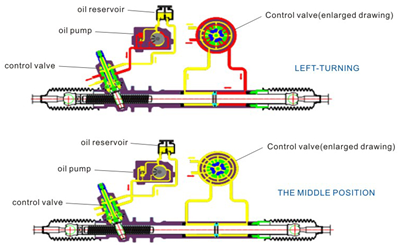
A Hydraulic Steering Rack is an integral part of a vehicle’s steering system, providing assistance to the driver through fluid pressure. When the driver turns the steering wheel, the power steering pump circulates hydraulic fluid through a system of hoses and valves. This fluid helps to reduce the effort required to turn the wheel, making the steering feel lighter and easier to control, especially under heavy load conditions.
This hydraulic system operates based on the principles of hydraulic pressure feedback and pinion valve calibration. Hydraulic Pressure Feedback ensures that the steering response is appropriate to the road conditions and driving speed. Pinion Valve Calibration helps regulate the flow of hydraulic fluid, ensuring that the system operates smoothly and accurately.
- Why It Matters: These design features result in enhanced stability, precision, and control—especially beneficial in heavy-duty or high-performance vehicles, like trucks or SUVs.
If you want to explore more about how steering racks work, check out our detailed article on How Does a Steering Rack Work?.
Advantages of Hydraulic Steering Rack
Hydraulic Steering Racks provide several key benefits that make them an ideal choice for heavy-duty applications and vehicles requiring high steering precision. Below are the top advantages:
- Enhanced Driving Comfort
Hydraulic Steering Systems significantly reduce the physical effort required to steer, especially at low speeds or while maneuvering large vehicles. By using fluid to assist with steering, drivers experience less strain, leading to a more comfortable and enjoyable driving experience.
- Superior Precision and Control
Unlike manual steering systems, hydraulic racks provide consistent, high-level precision and control, even in difficult driving conditions. Whether you’re navigating sharp turns or driving at high speeds, hydraulic systems deliver stable and responsive handling.
- Durability and Reliability
Hydraulic Steering Racks are built to withstand heavy use, making them more durable than electric systems. They are particularly reliable in commercial vehicles and heavy-duty applications, where longevity and performance are critical.
- Ideal for Heavy Duty Vehicles
For large vehicles, such as trucks and SUVs, hydraulic systems provide substantial steering assistance that ensures better control, stability, and overall vehicle handling. They are capable of managing the significant load and high-pressure demands that heavy-duty vehicles require.
GDST Conversion Point: GDST’s Hydraulic Steering Racks undergo 100% Dynamic Bench Testing to ensure top-tier performance. This rigorous testing process minimizes the chances of failure, providing 40% lower return rates for wholesalers.
Want to know more about the longevity of hydraulic systems? Check out our article on How Long Does a Steering Rack Last?.
Disadvantages of Hydraulic Steering Rack
While hydraulic steering systems offer many advantages, they also come with a few limitations that may affect their suitability for some applications.
- Higher Maintenance Costs
Hydraulic systems require regular maintenance, including checks on fluid levels, seals, and the pump itself. Over time, hydraulic components such as hoses, fittings, and pumps may degrade or develop leaks, which can lead to costly repairs or replacements.
- Energy Consumption
Hydraulic Steering Racks are less energy-efficient compared to electric systems. The hydraulic pump needs to operate continuously to maintain pressure, which can increase the vehicle’s fuel consumption.
- Weight and Space
The hydraulic system is typically heavier and bulkier than an electric power steering system. This added weight can impact fuel efficiency and may not be suitable for vehicles where weight reduction is crucial.
- Complexity in Repairs
Repairing hydraulic systems often requires specialized tools and expertise. For example, dealing with hydraulic fluid leaks or pressure pump failures can be more complex compared to the more straightforward repairs associated with electric systems.
GDST Conversion Point: GDST’s lifetime service and one-year warranty cover all our hydraulic systems, offering peace of mind for wholesalers and end customers alike.
Hydraulic vs Electric Steering Rack: Which One Should You Choose?
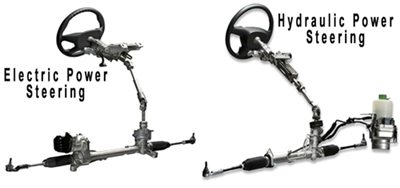
When comparing Hydraulic Steering Racks to Electric Power Steering (EPS), it’s essential to understand the key differences that may impact your decision. Below is a detailed comparison to help you make the best choice for your vehicle or business needs.
| Feature | Hydraulic Rack (GDST Standard) | Electric Rack (EPS) | Why It Matters |
|---|---|---|---|
| Power Source | Fluid Pressure from Hydraulic Pump | Electric Motor | Hydraulic systems provide stronger support for heavy-duty vehicles, while EPS is more energy-efficient for light vehicles. |
| Fuel Efficiency | Lower (Higher Energy Consumption) | Higher (Lower Energy Consumption) | EPS uses less power, which can improve fuel efficiency, especially in smaller vehicles. |
| Maintenance Requirements | Higher (Periodic Checks Needed) | Lower (Fewer Components to Maintain) | Hydraulic systems require more regular maintenance, while EPS is easier to maintain. |
| Steering Response and Control | Precise, Consistent | Responsive but Can Vary by Speed | Hydraulic systems offer more stable, high-precision steering control, essential for heavy loads. |
| Weight | Heavier | Lighter | The weight of hydraulic systems may affect overall vehicle efficiency. |
| Durability | Higher (Durable for Heavy Use) | Moderate | Hydraulic systems generally last longer under heavy-duty use and extreme conditions. |
Why It Matters: If you’re operating large fleets or heavy-duty vehicles, the hydraulic system’s robust performance is crucial for long-term efficiency and safety.
For an in-depth look at Hydraulic vs Electric systems, explore our comparison article: Hydraulic vs Electric Steering Rack.
When to Consider Replacing Your Hydraulic Steering Rack?
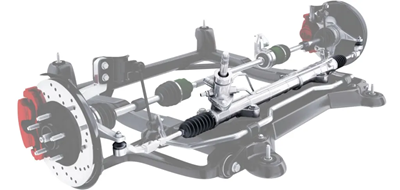
Understanding when it’s time to replace a hydraulic steering rack is crucial for vehicle owners and fleet operators. Here are the most common signs that your system might need replacing:
- Hydraulic Fluid Leaks: A noticeable decrease in fluid levels, accompanied by a visible leak, may indicate a failing pump or seal.
- Unresponsive Steering: Difficulty turning the wheel or inconsistent steering feedback can suggest internal failure of the rack or pump.
- Excessive Noise: Grinding or whining noises during steering are often a sign of low fluid levels or a malfunctioning pump.
GDST Conversion Point: GDST offers reliable, cost-effective solutions for hydraulic rack replacements. Our products are backed by a one-year warranty and lifetime service, ensuring your customers receive the best possible product support.
Conclusion: Should You Go for Hydraulic Steering Rack?
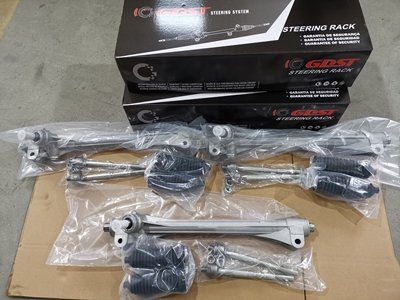
Hydraulic Steering Racks are an excellent choice for vehicles that demand high power, precision, and reliability—particularly in commercial, heavy-duty, or high-performance applications. Despite their higher maintenance costs and energy consumption, the stability, durability, and control offered by hydraulic systems make them indispensable for many industries.
- GDST Conversion Point: GDST’s Hydraulic Steering Racks are 100% pressure-tested, meeting international standards and providing a 40% lower return rate for wholesalers. For businesses looking for reliable, durable solutions, GDST is your trusted partner.
Ready to make a decision? Contact GDST today to request a bulk quote or learn more about our products.
Related Steering Rack Guides
- Steering Rack Price Guide (2026)
- – Get the latest pricing for hydraulic and electric steering racks.
- Hydraulic vs Electric Steering Rack
- – A detailed comparison of hydraulic and electric steering technologies.
- Manual vs Power Steering Rack
- – Understand the differences between manual and power-assisted steering systems.
- Steering Rack Problems
- – Learn how to troubleshoot common steering rack issues.
- How Long Does a Steering Rack Last?
- – Tips on maintaining your steering rack for maximum longevity.
FAQ
To maintain a Hydraulic Steering Rack, you should regularly check the hydraulic fluid levels and look for any signs of leaks or damage to the hoses and seals. Additionally, ensure that the power steering pump is functioning properly and change the fluid according to the manufacturer’s recommendations.
Yes, it is possible to upgrade from manual steering to hydraulic steering. However, this requires replacing several components, including the steering rack, pump, and fluid lines. It’s important to consult a professional mechanic or technician to ensure compatibility with your vehicle.
The cost of replacing a Hydraulic Steering Rack can vary depending on the vehicle make and model. On average, the cost ranges from $500 to $1,500, including labor. High-end or commercial vehicles may have higher replacement costs.
Signs that your Hydraulic Steering Rack may be failing include difficulty turning the wheel, unusual noises such as whining or grinding, or fluid leaks under the vehicle. If you notice any of these issues, it’s advisable to have the system inspected by a professional.
Hydraulic Steering Racks are commonly used in heavy-duty vehicles, large SUVs, and performance cars that require strong steering assistance. However, for smaller and more energy-efficient vehicles, Electric Power Steering (EPS) is becoming increasingly popular due to its lower energy consumption and lighter weight.