Finding a control arm supplier is easy.
Finding a reliable one is where most importers run into trouble.
At the beginning, many suppliers look similar:
- similar product photos
- similar catalogs
- similar promises
But after one or two orders, the differences become obvious:
- quality starts changing between batches
- delivery times become unstable
- small details like bushings or ball joints are inconsistent
By that point, switching suppliers is costly — not just financially, but also in terms of customer trust.
This guide focuses on one thing:
👉 how to evaluate and choose the right control arm manufacturer before problems happen
If you haven’t already, you may also want to review our Control Arm Procurement Guide for a complete overview of sourcing strategy.
How to Identify a Reliable Control Arm Manufacturer
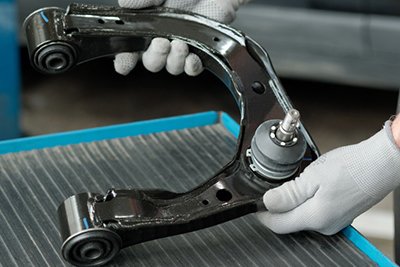
A reliable control arm manufacturer should:
- Be a real factory or have strong production control
- Offer stable production capacity and consistent quality
- Have a clear and verifiable quality control system
- Understand OE numbers and product specifications accurately
- Provide samples and support trial orders
- Communicate clearly and respond efficiently
- Offer realistic pricing based on actual product configuration
Below is how experienced buyers evaluate suppliers step by step in real sourcing situations.
Step 1 – Confirm If You Are Dealing with a Factory or a Trading Company
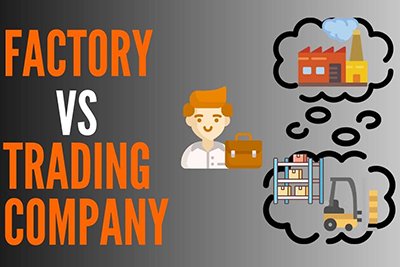
One of the first things you should clarify is who you are actually working with —
but this is not about deciding which one is “better.”
👉 In real sourcing scenarios, both factories and trading companies have advantages, depending on your business stage and order size.
Factories and trading companies play different roles in the supply chain.
- Factories focus on production
- control manufacturing processes
- manage production schedules
- prioritize efficiency and large-volume orders
- Trading companies focus on sales and coordination
- handle communication
- manage multiple suppliers
- provide customer support
👉 The key is not choosing the “right type,” but choosing the right partner for your needs.
When Working with a Factory Makes Sense
Factories are usually a better fit if you:
- place large and stable orders
- require customization (OEM/ODM)
- want direct control over production details
However, in practice, factories often:
- prioritize high-volume clients
- have limited bandwidth for smaller buyers
- focus more on production than communication
👉 This can sometimes lead to slower responses or less flexibility for smaller orders.
When a Trading Company Might Be the Better Choice
For many small and medium-sized importers, a strong trading company can actually be more suitable.
A good trading company typically offers:
- more flexible communication
- faster response times
- better support during quotation and order follow-up
- the ability to source from multiple factories
Because they are sales-focused, they usually pay more attention to:
- pre-sales service
- after-sales support
- problem-solving
👉 In real-world cases, many buyers prefer trading companies because they make the entire process smoother.
How to Evaluate Either Option (What Really Matters)
Instead of focusing only on “factory vs trading company,” evaluate:
- Do they understand your requirements clearly?
- Can they maintain consistent quality?
- Are they responsive and responsible?
- Do they solve problems or avoid them?
👉 A reliable trading company is often better than an unresponsive factory.
👉 And a well-managed factory is better than a disorganized trader.
Step 2 – Evaluate Production Capability and Product Range
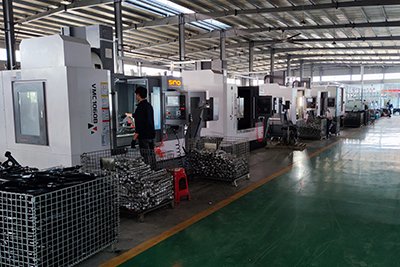
Even if a supplier looks reliable, you still need to confirm:
👉 Can they support your business consistently as it grows?
Don’t Just Ask About Capacity — Ask How They Handle Pressure
Most suppliers will say their capacity is “sufficient.”
But in real sourcing situations, the issue is: what happens during peak demand
Ask:
- What happens when orders increase suddenly?
- Do you outsource production when overloaded?
- How do you maintain quality during busy periods?
👉 Some suppliers outsource under pressure, which can lead to inconsistent quality.
Product Range Is About Depth, Not Just Quantity
Instead of asking how many models they have, ask:
- Do they cover key OE numbers for your market?
- Can they support your best-selling models long-term?
👉 A supplier with strong coverage in your target market is more valuable than one with a broad but shallow catalog.
Equipment and Manufacturing Level
Production capability is linked to equipment and processes.
For example:
- forging vs casting
- level of automation
👉 This directly affects:
- consistency
- durability
- pricing
Step 3 – Assess Quality Control System (Not Just Claims)
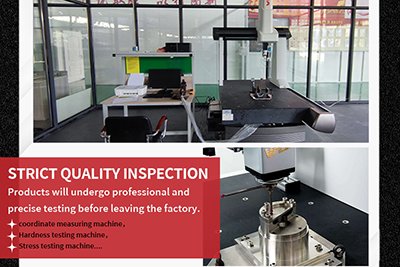
Every supplier claims to have “strict quality control.”
What matters is whether they can prove it.
Ask About Their QC Process (Step-by-Step)
A reliable supplier should clearly explain:
- incoming material inspection
- in-process checks
- final inspection
If the answer is vague, it’s a warning sign.
Request Real Testing Evidence
Don’t rely on statements — ask for proof:
- durability test results
- hardness test reports
- inspection records
In real sourcing situations, many suppliers claim testing capability, but cannot provide actual data.
👉 This is where you separate serious manufacturers from average ones.
Ask How They Handle Defects — Not Just How They Prevent Them
This is one of the most important questions.
Ask:
- What happens if a batch has problems?
- Do you provide replacements or compensation?
👉 The real difference between suppliers is not whether problems happen —
but whether they take responsibility.
For more details, you can also refer to our Quality Control in Control Arm Production guide.
Step 4 – Evaluate Product Configuration and Specifications
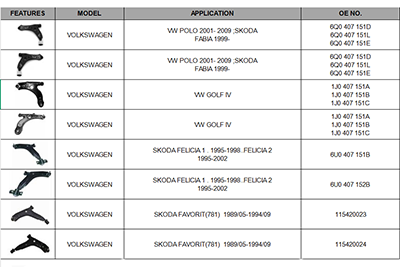
Many pricing misunderstandings start here.
Confirm Full Product Structure
Always clarify:
- Is the ball joint included?
- Are bushings pre-installed?
- Is it a complete assembly?
In real sourcing cases:
- some suppliers quote full assemblies
- others quote only the bare control arm
👉 This creates large price differences that are often misunderstood.
Verify OE Number Accuracy
A reliable supplier should:
- understand OE number mapping clearly
- confirm compatibility before quoting
If a supplier:
- guesses
- or gives uncertain answers
👉 the risk of wrong shipments increases significantly
Material and Design Differences
Ask about:
- steel vs aluminum
- reinforced vs standard designs
These choices should match your market:
- price-sensitive markets → cost-focused
- premium markets → durability-focused
Step 5 – Check Export Experience and Communication Efficiency

This is often underestimated — but it causes many problems.
Why Export Experience Matters
Experienced exporters understand:
- hot-selling models in different markets
- packaging standards
- documentation requirements
- shipping coordination
This reduces:
- delays
- mistakes
- unnecessary back-and-forth
Communication Is a Hidden Risk Factor
Evaluate:
- how fast they respond
- whether answers are clear
- whether they understand technical questions
👉 Poor communication leads to:
- incorrect orders
- misunderstandings
- delays
Follow-Up and Responsibility
Reliable suppliers:
- follow up proactively
- take responsibility for issues
Unreliable ones:
- respond slowly
- avoid problems
👉 You can often tell this before placing any order.
Step 6 – Compare Pricing the Right Way (Avoid Common Traps)
Price comparison is where many decisions go wrong.
Don’t Compare Prices Without Matching Specifications
Make sure you are comparing:
- same OE numbers
- same configuration
- same included components
Otherwise, the comparison is meaningless.
Understand Why Prices Differ
Price differences usually come from:
- material quality
- included components
- manufacturing process
👉 Not all “cheap” products are the same — and not all “expensive” ones are better.
Focus on Total Cost, Not Just Unit Price
Experienced buyers think beyond price.
They consider:
- return rates
- warranty costs
- customer satisfaction
👉 In many cases, a slightly higher price leads to lower total cost over time
For a deeper breakdown, see our Control Arm Price Guide.
Step 7 – Always Test Before You Commit
No matter how good a supplier looks, testing is essential.
Request Samples (Non-Negotiable)
Check:
- fitment accuracy
- finishing quality
- assembly details
Skipping this step increases risk significantly.
Run Small Trial Orders First
Before placing large orders:
- test the supplier with smaller quantities
- evaluate performance
This helps you:
- reduce risk
- validate consistency
Evaluate After-Sales Support
Ask:
- how defects are handled
- what the replacement policy is
👉 A reliable supplier stands behind their product.
Red Flags That Indicate an Unreliable Supplier

Some warning signs appear early — if you know what to look for.
Unusually Low Prices
Often indicates:
- missing components
- lower-grade materials
Unclear or Evasive Answers
Suggest:
- lack of expertise
- or lack of transparency
Refusal to Provide Samples
A major red flag — serious suppliers understand the importance of testing.
Inconsistent Product Information
Leads to:
- wrong shipments
- customer complaints
Final Tip: Choose a Long-Term Partner, Not Just a Supplier
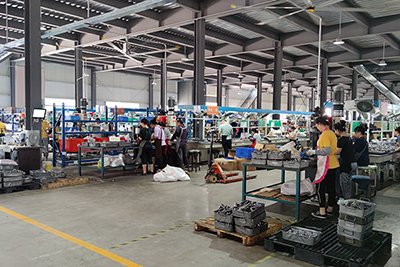
The biggest difference between experienced buyers and beginners is mindset.
Why Long-Term Cooperation Matters
Working with the same reliable supplier leads to:
- stable quality
- better pricing over time
- smoother communication
What Experienced Buyers Do Differently
They:
- focus on consistency, not just price
- build relationships
- avoid frequent supplier changes
👉 This is what creates a stable and scalable business.
🚀 Get in Touch
If you’re currently evaluating control arm suppliers, choosing the right partner early can save you significant time and cost later.
Whether you need:
- stable OEM or aftermarket supply
- consistent quality across batches
- or support for expanding your product range
feel free to reach out — a quick discussion may help you avoid common sourcing mistakes.
Frequently Asked Questions
Check their production capability, quality control system, export experience, and consistency across orders — not just price.
Not necessarily. Factories offer more control, but strong trading companies can also be effective if they manage quality well.
Because it verifies actual product quality and fitment before committing to bulk orders.
Focusing only on the lowest price without verifying specifications and consistency.