

When it comes to the number of control arms in a car, most vehicles typically have two to four control arms depending on their suspension system. This is a crucial factor for vehicle handling and stability. But why do some cars have more control arms than others? And how does this affect your inventory planning? In this article, we’ll explore how many control arms a car has, the factors that influence this number, and why it matters for parts wholesalers like you.
How Many Control Arms Does a Car Have?
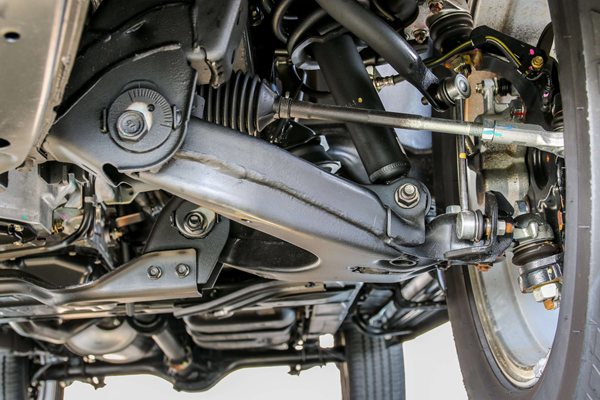
For most cars, the number of control arms varies based on the type of suspension system. Generally speaking:
- Front-Wheel Drive (FWD) vehicles: These typically have two control arms, one for each front wheel.
- Rear-Wheel Drive (RWD) vehicles: These vehicles can have two control arms (front) and additional ones for the rear, especially with independent rear suspension systems.
- All-Wheel Drive (AWD) vehicles: These often feature four control arms – two in the front and two in the rear – to ensure better stability and handling.
- Independent Suspension Systems: Vehicles with independent suspension (found in luxury and performance models) usually have four control arms – two in the front and two in the rear.
To help you better understand these differences, we’ve created the following table:
| Vehicle Type | Control Arms | Market Demand / Replacement Rate |
|---|---|---|
| Front-Wheel Drive | 2 (front) | High demand for replacement in urban areas due to frequent wear. |
| Rear-Wheel Drive | 2 (front and rear) | Moderate demand, mostly for older vehicles. |
| All-Wheel Drive | 4 (2 front, 2 rear) | Higher replacement rate in high-performance vehicles and off-road models. |
| Independent Suspension | 4 (2 front, 2 rear) | High demand in premium and luxury vehicles, frequent replacements. |
Why Do Cars Have Multiple Control Arms?
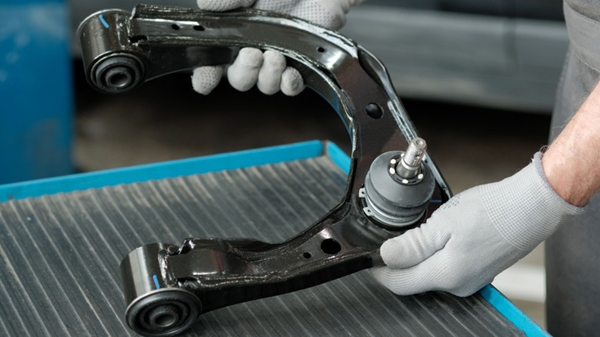
So why do some cars have multiple control arms while others have just one or two? The answer lies in the vehicle’s suspension design.
The main purpose of control arms is to keep the wheels aligned with the car’s chassis, allowing for smooth vertical movement while also stabilizing the wheels during turns. The more complex the suspension system, the more control arms are needed to manage the additional stresses placed on the vehicle.
- Improved Handling: Multiple control arms help distribute the load and stress, offering better control, especially when turning at high speeds or navigating rough roads.
- Enhanced Stability: For vehicles with independent suspension, multiple control arms ensure that the wheels remain aligned with the chassis for superior handling and stability.
For more on how control arms impact the handling and suspension, check out our article on How Do Control Arms Work?.
Why Do Different Vehicles Have Different Numbers of Control Arms?
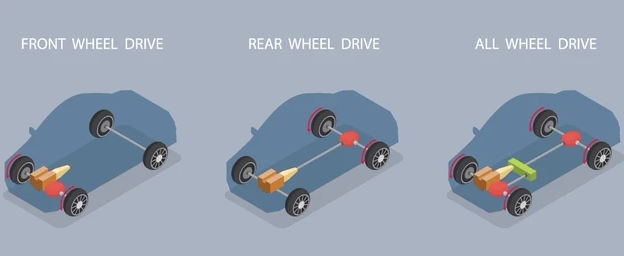
The number of control arms in a vehicle is closely tied to its design and intended use. For example:
- Front-Wheel Drive (FWD) vehicles often use simpler suspension systems, requiring only two control arms.
- Rear-Wheel Drive (RWD) vehicles, especially those with independent suspension in the rear, can have up to four control arms.
- All-Wheel Drive (AWD) vehicles, known for their enhanced handling and stability, commonly feature four control arms, two in the front and two in the rear.
- Performance and Luxury Cars with independent suspensions usually have four control arms, offering a high level of precision and stability.
Knowing the number of control arms can help you plan your inventory. For example, AWD and independent suspension vehicles have higher replacement rates for control arms, so stock for these types of vehicles is more crucial.
Expert Tip for Wholesalers: The Front-End Focus
Here’s a tip for wholesalers: In most vehicles, rear suspension control arms tend to wear much slower compared to the front. This means that you should allocate 80% of your inventory budget towards front control arms (both upper and lower). These components handle the most stress due to their role in steering and braking.
Predicting inventory needs requires understanding wear patterns. Check our analysis on How Long Do Control Arms Last? to optimize your stock rotation.
What to Do If You Need to Replace Control Arms?
If you’ve noticed symptoms like uneven tire wear, clunking sounds, or steering instability, it might be time to replace your control arms. Here’s what you need to do:
- Inspection: Get a professional mechanic to inspect your control arms for damage.
- Choose Quality Parts: Always opt for high-quality, OEM replacement parts to ensure the vehicle’s suspension system remains safe and stable.
- Professional Installation: If you are unsure how to replace the control arm yourself, it is best to have a certified technician handle the job. This ensures that the component is installed correctly and securely.
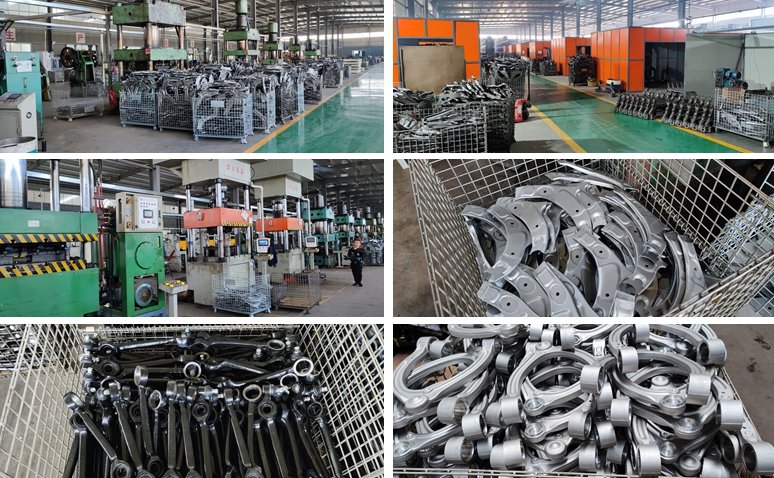
As a leading manufacturer of high-strength, OE-quality control arms, we offer direct factory pricing and fast delivery. Contact our engineering team for a customized quote tailored to your needs.
Conclusion
In conclusion, the number of control arms in a car is determined by its suspension setup and design. Understanding these differences is key to effective inventory management, particularly for wholesalers who supply parts across a wide range of vehicles. Whether you’re working with front-wheel drive, rear-wheel drive, or all-wheel drive vehicles, having the right stock of control arms for each type can help you stay ahead of demand and boost your sales.
For a comprehensive guide on suspension control arms, be sure to check out our Complete Control Arm Guide.
Related Control Arm Guides
💡 Expand Your Knowledge
If you found this article helpful, you might also be interested in these related guides:
🔗 What Is a Control Arm? – Learn about the basic definition and function of control arms in vehicles.
🔗 Function of a Control Arm in a Car – A deeper look at how control arms affect vehicle performance.
🔗 Where Is the Control Arm Located? – Find out the exact location of your car’s control arms.
🔗 How Do Control Arms Work? – Discover how control arms contribute to your car’s handling and suspension system.
🔗 What Does a Control Arm Connect To? – Understand the connections that make control arms so crucial for your vehicle.
🔗 What Is the Difference Between a Control Arm and Wishbone? – Explore the differences between control arms and wishbones.
Need a bulk quote or technical catalog? Contact our Engineering Team – We’re here to provide you with customized solutions tailored to your needs.
FAQ: Frequently Asked Questions
No, control arms can vary in size, shape, and design based on the type of vehicle and its suspension system. For example, independent suspension systems use multiple control arms for each wheel, while vehicles with solid axle suspensions may only have one control arm for each axle. Always ensure that the control arms you are replacing are compatible with your vehicle’s specific suspension system.
Replacing control arms requires a certain level of mechanical expertise and the right tools. It’s possible for someone with experience to replace them themselves, but if you’re not confident in your skills, it’s recommended to have the replacement done by a professional mechanic.
The cost to replace control arms varies depending on the make and model of the vehicle, as well as whether you’re using aftermarket or OEM parts. On average, the cost for control arm replacement, including labor, ranges from $200 to $500 per arm. For high-end or luxury vehicles, the price could be higher. Be sure to get a detailed quote from your mechanic for a more accurate estimate.
Final Notes:
This article focuses on providing wholesalers with practical knowledge about control arm inventory needs based on vehicle types and suspension systems. The goal is to help you optimize your stock planning and ensure you’re meeting the demands of your customers effectively.
If you have any further questions or need assistance with product inquiries, feel free to reach out. We’re here to help!