
Sourcing reliable control arms isn’t easy. Many wholesalers face inconsistent quality, returns, and customer complaints. The real challenge? Not knowing how control arms are actually made. Once you understand the manufacturing process, choosing a trustworthy control arm supplier becomes much simpler—and far less risky.
High-quality control arms are manufactured through a multi-step process that includes material selection (steel or aluminum), forging or stamping, CNC machining, welding, heat treatment, surface coating, assembly (bushings and ball joints), and strict quality testing. Reliable control arm manufacturers adhere to automotive standards such as IATF 16949 to ensure durability, precision, and long-term performance under demanding driving conditions.
Now let’s break down each step in detail so you can evaluate any control arm factory with confidence.
Material Selection: The Foundation of Durable Control Arms
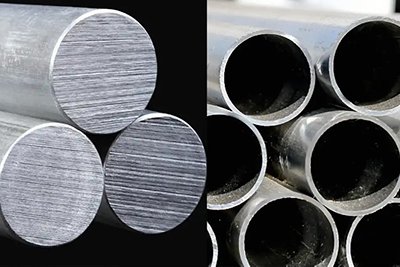
Everything starts with raw materials. A professional control arm manufacturer will carefully select between:
- High-strength steel (common for durability and cost balance)
- Aluminum alloys (lighter weight, better for performance vehicles)
The choice depends on the target market. For example, control arms supplied to the USA and European markets often require higher-grade materials due to stricter durability standards.
From our experience as a control arm producer, material quality is one of the biggest differences between low-end and premium products. Poor materials lead to early fatigue, cracking, and warranty issues.
👉 Reference: Material standards for automotive components
Forging vs Stamping vs CNC Machining: Which Process Is Better?
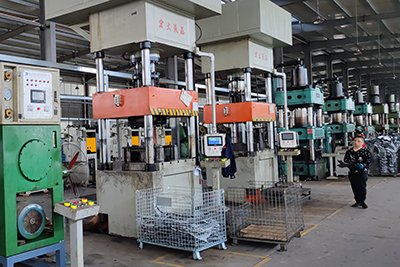
Different control arm factories use different manufacturing processes. The three most common are:
Forging
- Metal is shaped under high pressure
- Produces superior strength and grain structure
- Ideal for heavy-duty applications
Stamping
- Steel sheets are pressed into shape
- Cost-effective for mass production
- Common in aftermarket control arm manufacturing
CNC Machining
- Precision cutting from solid aluminum blocks
- High accuracy and consistency
- Used in premium or performance control arms
A reliable control arm supplier will choose the process based on performance requirements—not just cost.
👉 Reference: Comparison of forging vs stamping in automotive parts
Precision Machining: Ensuring Tight Tolerances
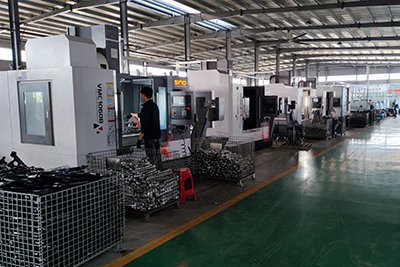
After forming, control arms undergo CNC machining to refine critical areas such as:
- Mounting points
- Bushing housings
- Ball joint interfaces
Precision here is crucial. Even small deviations can lead to:
- Poor alignment
- Uneven tire wear
- Suspension noise
Top-tier control arm manufacturers maintain strict tolerances using advanced CNC equipment and inspection tools.
Welding and Structure Reinforcement
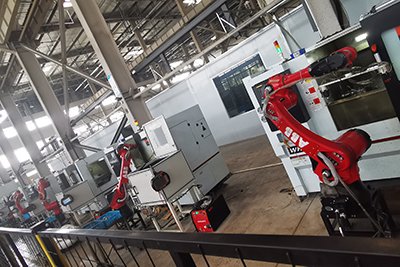
For stamped or multi-piece designs, welding is a key step.
High-quality control arm factories use:
- Robotic welding systems for consistency
- Reinforcement plates for added strength
- Non-destructive testing (NDT) to detect defects
Weak welding is a common failure point in low-quality products. This is why experienced control arm producers invest heavily in welding technology.
👉 Reference: Automotive welding quality standards
Heat Treatment: Strength and Fatigue Resistance
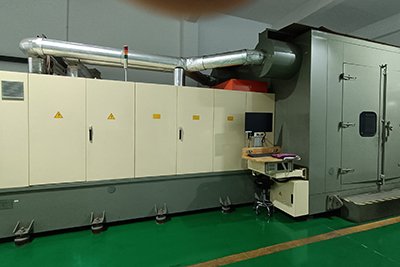
Heat treatment improves:
- Hardness
- Strength
- Fatigue resistance
Processes may include:
- Quenching
- Tempering
- Normalizing
Without proper heat treatment, control arms may deform or fail under repeated stress.
Factories supplying OEM or high-end aftermarket clients typically follow strict heat treatment protocols aligned with automotive industry standards.
Surface Treatment: Corrosion Protection Matters
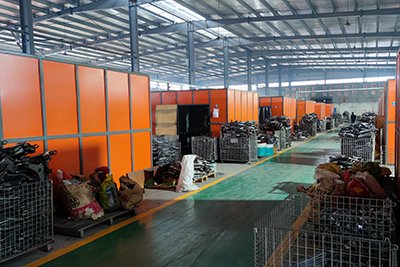
Control arms operate in harsh environments—water, salt, mud, and temperature changes.
Common surface treatments include:
- E-coating (electrophoretic coating)
- Powder coating
- Galvanization
E-coating is widely used by high-quality control arm manufacturers because it provides:
- Uniform coverage
- Strong corrosion resistance
- Long service life
👉 Reference: E-coating process in automotive manufacturing
Assembly Process: Bushing and Ball Joint Installation
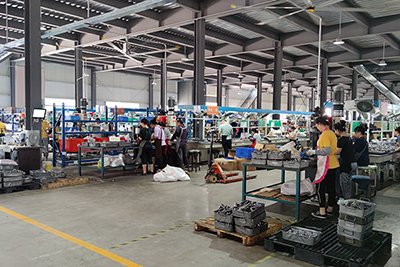
A complete control arm includes:
- Rubber or polyurethane bushings
- Ball joints
This step requires precise pressing and alignment. Poor assembly can lead to:
- Premature wear
- Noise and vibration
- Safety risks
Reliable control arm suppliers ensure:
- Proper torque control
- High-quality subcomponents
- Consistent assembly procedures
Many factories also offer OEM/ODM solutions, allowing wholesalers to customize bushings, ball joints, or branding based on market needs.
Quality Control and Testing Standards
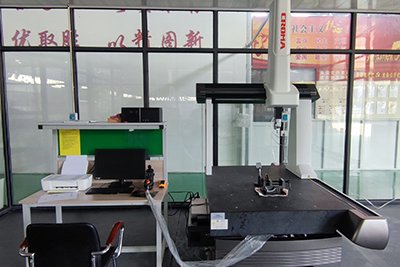
This is where top manufacturers stand out.
A professional control arm factory will implement:
Dimensional Inspection
- Coordinate Measuring Machines (CMM)
- 100% critical dimension checks
Mechanical Testing
- Fatigue testing
- Tensile strength testing
- Impact testing
Durability Testing
- Simulated road conditions
- Long-cycle stress testing
Factories certified with IATF 16949 and ISO standards follow strict quality management systems, ensuring consistent product performance.
For wholesalers, this is a key indicator when selecting a long-term control arm supplier.
👉 Reference: IATF 16949 quality management system
What Makes a Reliable Control Arm Factory?
After understanding the full control arm manufacturing process, it becomes clear what separates a good supplier from a risky one.
Look for a control arm manufacturer that:
- Uses high-grade raw materials
- Offers multiple production methods (forging, stamping, and CNC)
- Has in-house machining and testing capabilities
- Follows international certifications like IATF 16949
- Supports OEM/ODM customization
- Has experience exporting to demanding markets
From a factory perspective, consistency and process control matter more than price alone. The cheapest option often leads to higher long-term costs.
If you’re still comparing suppliers, you may find it helpful to review this curated list of the top 10 control arm manufacturers in China, which highlights companies in control arm manufacturing, quality standards, and global supply experience.
Summary
High-quality control arm manufacturing is a complex process involving materials, precision engineering, and strict quality control. For wholesalers, understanding these steps is essential to choosing a reliable control arm supplier and avoiding costly mistakes. The right factory doesn’t just produce parts—it ensures long-term performance and customer satisfaction.
For a complete overview of suspension control arms, check our Complete Control Arm Guide.