When searching for Chinese control arm manufacturers, most buyers are not looking for a simple supplier.
They are looking for stability.
If you are building an aftermarket brand, running a distribution network, or supplying auto parts stores, the control arm you import directly affects:
- Your brand reputation
- Your return rate
- Your inventory turnover
- Your market competitiveness
China has become one of the world’s largest production hubs for suspension components. But not all manufacturers operate at the same level.
This guide will help you evaluate Chinese control arm manufacturers from a professional buyer’s perspective.
Why China Is a Major Hub for Control Arm Manufacturing
China’s automotive supply chain is highly integrated. In one industrial cluster, you can find:
- Forging factories
- Machining workshops
- Rubber bushing suppliers
- Ball joint production lines
- Heat treatment facilities
- Surface coating plants
This ecosystem reduces production cost while maintaining scalability.
However, the real difference between suppliers lies in whether they control these processes in-house or outsource them.
That difference determines quality stability and delivery reliability.
Factory vs Trading Company: What’s the Real Difference?
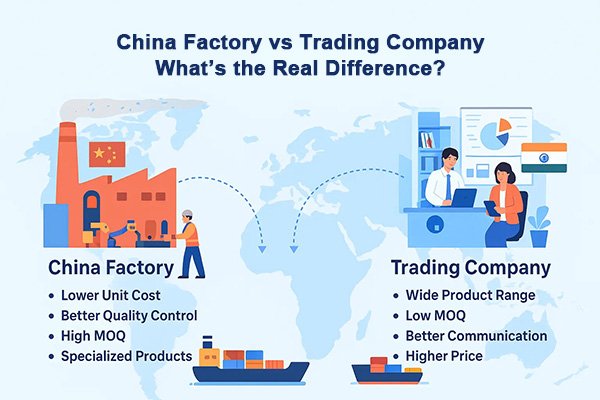
When importing control arms, buyers usually face three types of suppliers:
Small Workshops
- Limited testing equipment
- Price-focused
- Inconsistent material sourcing
- Unstable delivery
Suitable for extremely price-driven markets only.
Trading Companies
- Wide product catalog
- Flexible sourcing
- Communication layer between buyer and factory
However:
- Higher procurement cost
- Slower technical response
- Less control over production details
Real Control Arm Manufacturers in China
- Own forging & machining lines
- In-house ball joint assembly
- Rubber injection or vulcanization capacity
- Clear quality system
- Stable lead time
For aftermarket brands and distributors, factory-direct cooperation usually means:
- Better price structure
- Faster issue resolution
- More stable bulk quality
- Easier private label customization
For long-term business, this structure is more competitive.
Key Quality Factors in Control Arm Production
Professional buyers should never evaluate a control arm by appearance alone.
Here are the critical factors:
Forging vs Casting

Forged control arms generally offer:
- Higher strength
- Better fatigue resistance
- Longer service life
Casting may reduce cost but increases fracture risk in demanding road conditions.
Heat Treatment
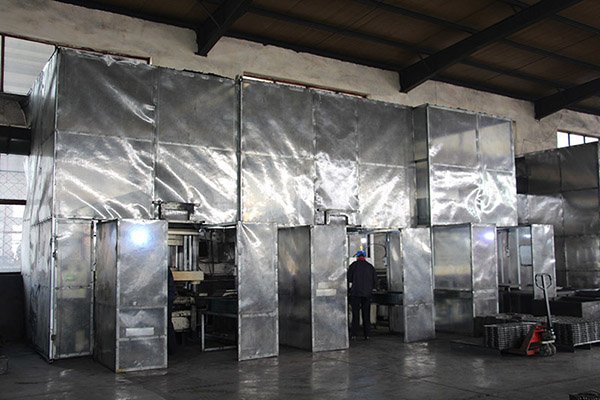
Proper heat treatment ensures:
- Structural durability
- Resistance to deformation
- Improved load-bearing capacity
Factories without controlled heat treatment often produce inconsistent batches.
Ball Joint Quality
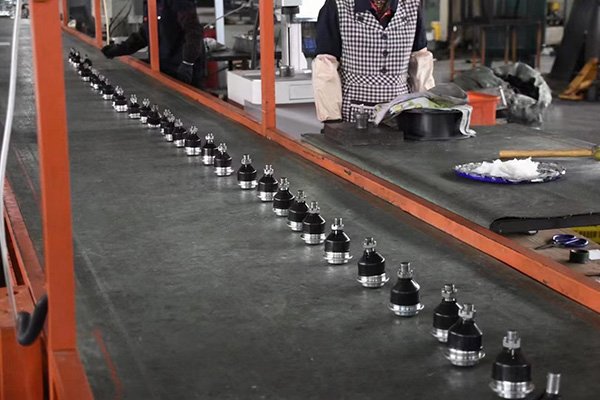
A weak ball joint is one of the main causes of premature failure.
Check:
- Stud hardness
- Grease sealing performance
- Dust boot material
- Pull-out force testing
Rubber Bushing Performance
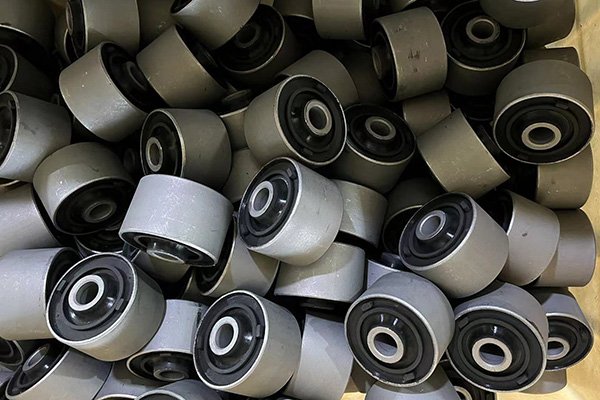
For markets like South America, Africa, and Southeast Asia where road conditions can be harsh, rubber quality is critical.
Look for:
- Oil resistance
- Temperature resistance
- Compression deformation testing
- Low-grade rubber causes noise complaints and short lifespan.
Corrosion Resistance
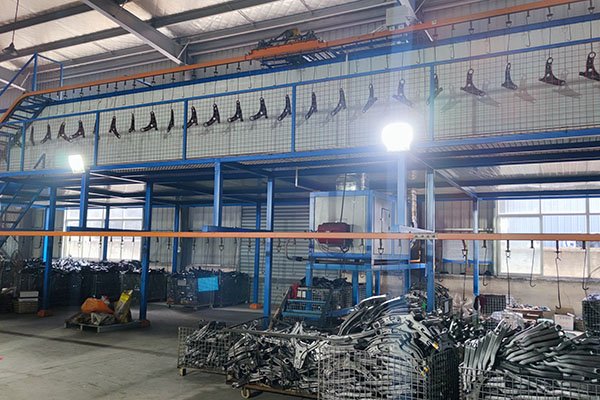
Surface treatment directly affects durability in humid or coastal markets.
Common methods:
- Electrophoresis coating
- Powder coating
- Zinc plating
- Salt spray testing results should be available upon request.
Typical Production Process of High-Quality Control Arms
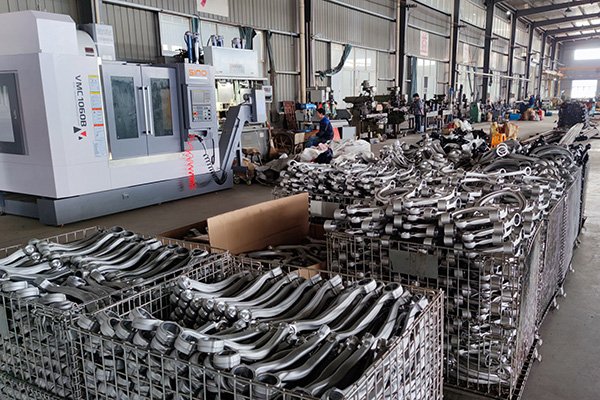
A reliable control arm manufacturer in China typically follows:
- Raw material inspection
- Forging or casting
- Heat treatment
- CNC machining
- Surface treatment
- Ball joint assembly
- Rubber bushing pressing
- Final inspection and testing
- Packaging
Factories that control multiple steps internally have stronger quality consistency.
Lead Time & Production Capacity: What Buyers Should Expect
Long delivery times damage your inventory flow.
Professional control arm manufacturers in China usually offer:
- 30–45 days production time for bulk orders
- Faster repeat order turnaround
- Stable monthly output capacity
- Clear production scheduling
Unstable suppliers often delay shipments due to:
- Outsourced production
- Raw material shortages
- Overbooking capacity
Before cooperation, ask about:
- Monthly output volume
- Main export markets
- Average repeat order lead time
Model Coverage & Development Capability
Aftermarket wholesalers usually cover:
- Japanese vehicles
- Korean vehicles
- European vehicles
- American vehicles
A competitive manufacturer should provide:
- Broad SKU coverage
- Continuous new model development
- Sample-based development capability
- Mold-making support
- Trial order flexibility for new markets
Without strong development capability, your brand will struggle to expand product lines.
5 Red Flags When Choosing Control Arm Manufacturers in China
- Extremely low prices with no testing reports
- No factory visit allowed (physical or video audit)
- No clear explanation of production process
- No inspection records for ball joints or bushings
- Frequent changes in delivery commitment
If a supplier cannot answer technical questions clearly, it usually indicates weak internal control.
Understanding Pricing Structure
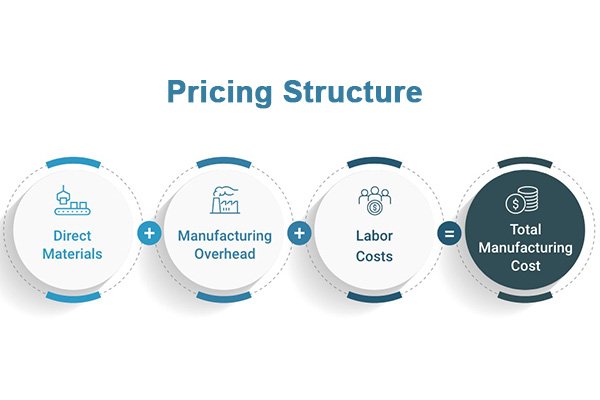
The price of control arms depends on:
- Raw material cost
- Forging vs casting method
- Rubber quality grade
- Surface treatment
- Order quantity
- Packaging requirements
Bulk buyers benefit most from:
- Factory-direct cooperation
- Annual volume agreements
- Stable long-term planning
Extreme low-price competition often results in higher after-sales cost.
Which Type of Buyer Benefits Most from Chinese Control Arm Manufacturers?
The most suitable partners are:
- Aftermarket brand owners
- Regional distributors
- Large auto parts wholesalers
- Importers supplying auto parts stores
Professional manufacturers prioritize stable, volume-based cooperation rather than small retail purchases or one-time sample customization orders.
Long-term partnerships allow both sides to optimize cost and inventory planning.
Frequently Asked Questions
Request:
Factory videos
Production line photos
Quality testing records
Export documentation history
MOQ varies by model, but manufacturers usually support mixed container loading for wholesalers.
Yes, for stable bulk customers and consistent order volume.
Yes, if produced under strict quality control and tested for durability and corrosion resistance.
Choosing among control arm manufacturers in China is not only about price.
It is about:
- Protecting your brand
- Maintaining stable inventory
- Reducing return rates
- Competing confidently in your local market
If you are evaluating long-term cooperation with a professional control arm manufacturer and need stable supply for Japanese, Korean, European, or American vehicle models, the next step is simple:
Share your target market and product range.
A structured discussion about volume, quality expectations, and lead time can help build a more competitive supply strategy.