

Can a bad control arm cause vibration? Yes, absolutely. Most commonly, you will feel this vibration through the steering wheel at highway speeds (50–70 mph) or during braking. This happens because worn bushings or a loose ball joint allow the wheel to “shimmy” or oscillate, as the control arm can no longer hold the suspension geometry firm against road forces. In this article, we’ll explain why this happens, how to diagnose the problem, and what you can do to fix it.
How Does a Bad Control Arm Cause Vibration
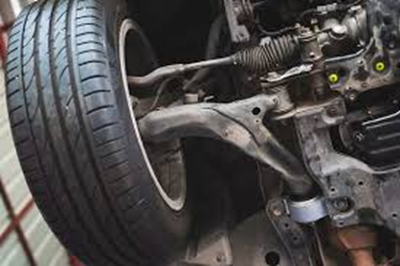
The control arm is an integral part of your vehicle’s suspension system. When it’s damaged or worn out, it can lead to alignment issues that cause vibrations while driving. A bad control arm typically results in one of two types of vibration: dynamic oscillation and brake-induced vibration.
- Dynamic Oscillation occurs when the suspension no longer holds the wheel in its intended position, causing a wobble. At speeds above 50mph, this wobble can amplify, causing the steering wheel to vibrate or even shake.
- Brake Vibration is often felt when applying the brakes. If the control arm is faulty, the wheel may not remain stable during braking, causing an uneven brake application, which results in vibration.
When the control arm fails, the wheel may move unpredictably due to loose bushings or worn ball joints, affecting how the wheel makes contact with the road and causing inconsistent friction. This leads to the vibrations you experience.
If you’re feeling any of these symptoms, it could be time for a suspension check-up. Symptoms of a Bad Control Arm are often a clear indicator that something is off in your suspension system.
Types of Vibration Caused by a Bad Control Arm
Vibrations caused by a bad control arm can vary depending on the specific issue with the suspension components. Here are the primary types of vibration:
- Steering Wheel Vibration:
- When a control arm is damaged or misaligned, it can cause the wheels to wobble, particularly at higher speeds (50mph+). The most common symptom is vibration felt through the steering wheel, often accompanied by an unstable or shaky feeling.
- Floorboard or Seat Vibration:
- If the control arm is significantly worn, vibrations can extend through the entire vehicle. These vibrations are felt through the floorboard or seat, and they tend to be most noticeable when driving at certain speeds or when braking.
- Brake Vibration:
- Another common sign of a bad control arm is vibration that occurs while braking. The issue arises when the control arm’s failure affects the stability of the wheel during braking, causing uneven pressure on the braking system. This leads to vibrations felt through the brake pedal, steering wheel, or the vehicle itself.
Table: Types of Vibration and Trigger Scenarios
| Type of Vibration | Cause | Common Symptoms | Trigger Scenario |
|---|---|---|---|
| Steering Wheel Vibration | Misalignment or loose control arm | Vibration through the steering wheel, especially at high speeds | Driving at speeds above 50mph |
| Floorboard/Seat Vibration | Worn bushings or loose suspension components | Vibration felt through the seat or floorboard, most noticeable at certain speeds | Driving at consistent speeds or braking |
| Brake Vibration | Faulty control arm causing wheel instability during braking | Vibration through the brake pedal or steering wheel | Braking, especially at high speeds |
Tired of Suspension Vibration Complaints
GDST utilizes high-precision ball joints and fatigue-tested bushings to ensure a silent, vibration-free ride for your clients. No more worries about misaligned wheels or suspension failure—our parts are designed to meet OE standards and eliminate vibration issues for long-term performance.
What Are the Risks of Driving with a Bad Control Arm

Driving with a bad control arm is not only uncomfortable but also dangerous. Here’s why:
- Steering Issues:
- A worn control arm can affect your ability to steer the vehicle properly. When the control arm is out of alignment, the steering response becomes sluggish or erratic, leading to an overall unstable driving experience.
- Increased Wear on Other Parts:
- If left unchecked, a bad control arm will put additional strain on other suspension components, causing premature wear and more costly repairs. A misaligned suspension can also lead to uneven tire wear, which means more frequent tire replacements.
- Safety Risks:
- The control arm plays a key role in maintaining the stability of the vehicle. If the suspension system becomes too unstable, it can affect the car’s handling, making it more difficult to control. This increases the risk of an accident, particularly when turning at high speeds or braking hard.
If you suspect that your control arm is faulty, Can You Drive with a Bad Control Arm? provides additional details on the risks of continuing to drive with suspension issues.
How to Diagnose and Fix Vibration Caused by a Bad Control Arm
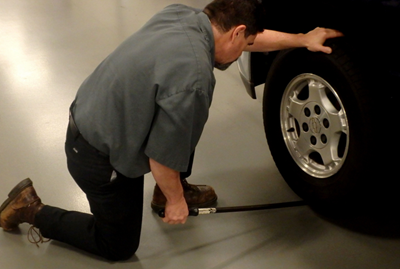
Diagnosing vibrations caused by a bad control arm requires a few simple checks:
- Visual Inspection:
- Look for any visible damage to the control arm or its components. Check for cracks or signs of wear on the bushings or ball joints.
- Pry Bar Test:
- One effective method to check if your control arm is the culprit is the pry bar test. By using a pry bar to apply pressure to the control arm, you can detect any excessive movement or play in the suspension. If there’s noticeable movement, it’s a strong sign that the control arm is worn out.
- Check for Leaking or Cracked Bushings:
- Inspect the bushings on the control arm for hydraulic oil leaks, cracks, or any signs of dry rot. Worn or cracked bushings are often a key contributor to vibration and misalignment in the suspension system.
- Professional Inspection:
- While these methods can help diagnose the issue, it’s always best to consult a professional mechanic if vibrations persist. A mechanic will conduct a thorough inspection, identify the root cause, and recommend the appropriate repairs.
For a deeper dive into control arm replacement costs, check out our article on How Much Does Control Arm Replacement Cost?.
Maximize Your Profit with Factory-Direct Quality
Why pay middleman markups? Get OE-standard control arms directly from GDST with custom packaging and 1-year warranty support. By working with us, you gain direct access to high-quality parts at unbeatable prices—ideal for increasing your profit margins.
How to Prevent Vibration from a Bad Control Arm
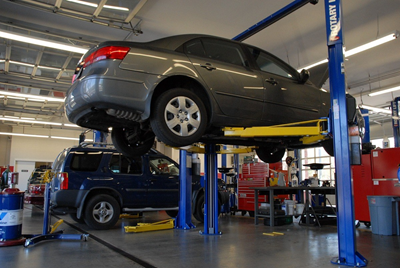
Preventing vibrations caused by a bad control arm starts with regular maintenance. Here’s what you can do:
- Regular Vehicle Inspections:
- Have your vehicle’s suspension checked every 12,000 miles or as recommended by your manufacturer. Regular inspections can help identify wear in the control arm or other suspension parts before they cause bigger issues.
- Driving Habits:
- Avoid harsh driving, such as hitting potholes or curbs, which can stress suspension components and cause them to wear out faster. A smooth driving style can help extend the lifespan of your control arm and suspension system.
- Wheel Alignment:
- Ensuring your wheels are aligned properly can prevent additional stress on the control arm and other suspension parts. Misalignment often accelerates the wear and tear of suspension components, leading to issues like vibration.
To learn more about how to extend the lifespan of your control arm, check out our article on Control Arm Lifespan.
Conclusion
A bad control arm can indeed cause vibration, especially when driving at higher speeds or during braking. These vibrations are typically caused by misalignment in the suspension system, which can affect vehicle handling and stability. Diagnosing the issue early is key to avoiding further damage and ensuring your vehicle is safe to drive.
Partner with a 20-Year Suspension Expert. Whether you need customized specs or urgent bulk orders, GDST is your reliable partner in China. Contact us today for professional support and a custom solution.
For a complete overview of suspension control arms, check our Complete Control Arm Guide.
Related Control Arm Guides
- How to Replace a Control Arm?
- Function of a Control Arm in a Car
- Where Is the Control Arm Located?
- What Causes Control Arms to Go Bad?
- Can You Drive with a Bad Control Arm?
- What Happens If a Control Arm Breaks?
FAQ
Typically, vibrations caused by a bad control arm are most noticeable at highway speeds (between 50 and 70 mph). Unlike unbalanced tires, which may vibrate at any speed, control arm vibration often intensifies during acceleration or when hitting a slight bump at high speeds due to loose bushings.
Yes. When control arm bushings are severely worn, the arm shifts during braking, altering the wheel’s alignment under pressure. This often leads to a shaking steering wheel or a pulsating sensation that feels similar to warped brake rotors.
A quick way to tell is to observe when the vibration occurs. Tire imbalance usually causes a constant rhythmic shake that gets worse as speed increases. Control arm vibration is often accompanied by a “clunking” sound when driving over bumps or a noticeable steering “pull” to one side.
No. You cannot properly align a vehicle with a damaged control arm. The loose components will prevent the alignment sensors from getting a steady reading. The golden rule is: Replace the faulty control arm first, then perform a professional wheel alignment.