
If your vehicle is experiencing unstable driving, steering pull, or abnormal tire wear, it could be a sign that the control arm is damaged. In this article, we’ll explore how a bad control arm can affect your vehicle’s alignment, and why it’s essential to address the issue to maintain the safety and performance of your vehicle.
What Is the Role of a Control Arm in Vehicle Alignment?
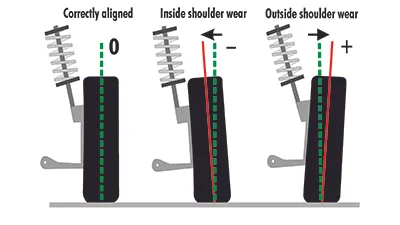
The control arm is more than just a support structure in your vehicle’s suspension system. It is a crucial anchor point for alignment parameters. The control arm helps to keep the wheels in the correct angle relative to the body of the car, which is key to ensuring proper handling and tire wear.
The length and position of the control arm directly influence two important alignment angles:
- Camber: This refers to the tilt of the wheel relative to the road. When the control arm is properly functioning, the wheels will maintain the correct tilt for optimal tire contact and stability. A damaged control arm can cause the wheel to tilt inward or outward, leading to uneven tire wear.
- Caster: The caster angle affects the stability of your steering. It is the angle formed by the steering axis relative to the vertical axis of the wheel. A proper caster ensures that the steering wheel returns to its neutral position after a turn. A damaged control arm can lead to incorrect caster, which will affect your steering stability.
In summary, a control arm is not just a structural part of the suspension. It also plays a key role in maintaining your vehicle’s alignment, and when it’s damaged, the alignment can be thrown off balance.
How a Bad Control Arm Affects Alignment
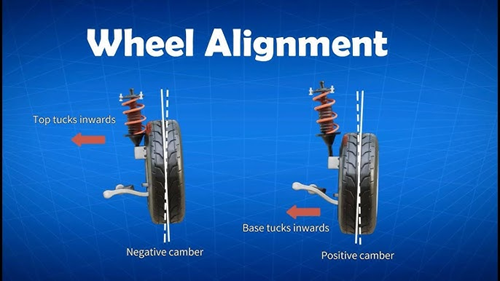
A bad control arm can lead to several alignment problems, which will impact both your vehicle’s handling and tire health. Here’s how:
- Misalignment of Camber and Caster
- Since the control arm influences both the camber and caster angles, any damage to the control arm will directly affect these angles. For example, a bent control arm could cause the wheel to tilt inward or outward (bad camber), or it might cause the steering axis to shift (bad caster).
- Uneven Tire Wear
- When the wheels are misaligned, they don’t make uniform contact with the road, causing uneven tire wear. This will not only shorten the lifespan of your tires but also negatively impact your vehicle’s performance. If not fixed, the misalignment will continue to deteriorate the tires, causing costly replacements.
- Driving Instability
- If your vehicle’s alignment is off, particularly due to a damaged control arm, you’ll likely notice issues like the car pulling to one side or a vibrating steering wheel. This can make driving uncomfortable and unsafe, especially on highways where stability is crucial.
Here’s a table that summarizes some common symptoms of a bad control arm and the alignment issues they cause:
| Symptom | Potential Alignment Issue |
|---|---|
| Uneven Tire Wear | Camber misalignment (wheels tilting in/out) |
| Vehicle Pulling to One Side | Caster misalignment (steering axis issue) |
| Steering Wheel Vibration | Misalignment or damaged suspension part |
| Clunking or Knocking Noises | Worn bushings or ball joints in control arm |
If you notice any of these symptoms, it’s a good idea to have your vehicle’s control arm checked by a mechanic to avoid further damage and costly repairs.
What Happens to Your Vehicle When Alignment Is Off?
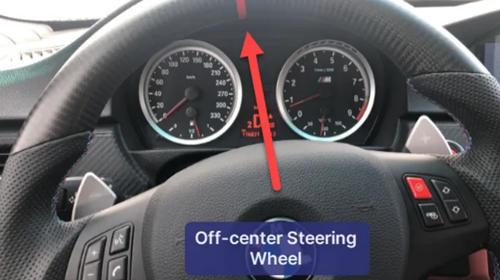
When the alignment is off due to a bad control arm, it doesn’t just affect your tire wear—it can also compromise your vehicle’s overall performance and safety. Here’s what can happen:
- Poor Handling
- Misalignment can make your car feel sluggish or difficult to control, especially when turning or braking. It can make the car feel unstable, which is dangerous, particularly in emergency driving situations.
- Increased Tire Wear
- Misaligned wheels cause uneven pressure on the tires. As a result, the tires wear unevenly and prematurely. This leads to the need for more frequent tire replacements, adding extra costs to your vehicle maintenance.
- Lower Fuel Efficiency
- Poor alignment can also reduce your fuel efficiency. When your wheels are misaligned, your car has to work harder to maintain speed, increasing the friction and drag on the tires. This leads to higher fuel consumption.
- Increased Risk of Suspension Damage
- Misalignment can put additional stress on other parts of the suspension system, such as shocks, struts, and springs. This can cause them to wear out faster, leading to costly repairs.
How to Check for a Bad Control Arm
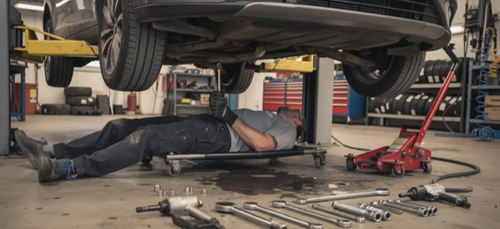
If you suspect your control arm is bad, here are a few ways to check for issues:
- Look for Visible Damage
- Inspect the control arm for any visible signs of damage, such as bends, cracks, or rust. If you’ve been involved in an accident or your car has been subjected to rough roads, it’s important to look for these signs of wear.
- Check the Bushings and Ball Joints
- Worn-out bushings or ball joints can compromise the stability of the control arm. If they’re cracked or loose, the control arm will not be properly secured, which will affect the alignment.
- Listen for Noises
- A clunking or knocking noise from the front of the car could be a sign of a damaged control arm. This noise occurs when the bushings or ball joints have worn out, and the control arm begins to shift or move unexpectedly.
- Get Professional Help
- If you notice symptoms like uneven tire wear or steering instability, it’s a good idea to have a professional mechanic inspect your vehicle. They can identify whether the control arm is faulty and whether it needs to be replaced.
For more detailed guidance on the cost of replacing a control arm, check out our article on How Much Does Control Arm Replacement Cost?.
How to Fix Alignment Issues Caused by a Bad Control Arm

The best way to fix alignment issues caused by a bad control arm is to replace the damaged component. Here’s the general process:
- Inspection
- A professional mechanic will inspect the control arm and other suspension components to determine whether they are damaged or misaligned.
- Control Arm Replacement
- If the control arm is found to be faulty, it will need to be replaced. Depending on the damage, the ball joints or bushings may also need to be replaced.
- Realignment
- After replacing the control arm, the vehicle will need a full wheel alignment to reset the camber and caster angles. This ensures the wheels are positioned correctly for optimal handling and tire wear.
- Follow-Up Inspection
- After the repair, it’s a good idea to have the vehicle inspected again to make sure everything is aligned properly and that the new control arm is functioning as expected.
For more information on driving with a damaged control arm, check out our article on Can You Drive with a Bad Control Arm?.
How to Prevent Control Arm Damage and Ensure Proper Alignment
To avoid control arm damage and alignment issues, regular maintenance is key. Here are some tips:
- Regular Inspections
- Periodically, have your suspension system checked by a mechanic to catch any early signs of wear or damage to the control arms.
- Avoid Rough Roads
- Potholes and rough roads can put unnecessary strain on the control arms, causing them to wear out faster. Drive carefully and avoid rough terrain when possible.
- Replace Worn Components Early
- If you notice any symptoms of control arm wear, such as steering instability or clunking noises, have it checked and replaced as soon as possible.
To learn more about extending the life of your control arm, check out our article on Control Arm Lifespan.
For wholesalers, steering complaints are the cause of product returns. GDST control arms are manufactured using precision robotic welding and high-grade rubber bushings to ensure that once installed, the vehicle’s alignment stays true for miles.
Conclusion
A bad control arm can significantly impact your vehicle’s alignment, causing poor handling, uneven tire wear, and overall instability. By addressing control arm issues early, you can avoid costly repairs and ensure your vehicle runs smoothly and safely.
For a complete overview of suspension control arms, check our Complete Control Arm Guide.
If your vehicle has alignment issues or control arm faults, please feel free to contact our team of experts for bespoke solutions and high-quality service.
Related Control Arm Guides
- How to Replace a Control Arm?
- Function of a Control Arm in a Car
- Where Is the Control Arm Located?
- What Causes Control Arms to Go Bad?
- Can You Drive with a Bad Control Arm?
- What Happens If a Control Arm Breaks?
FAQ
Usually, yes. Listen for a “clunk” or “pop” when you’re pulling out of a driveway or hitting a speed bump. It’s the sound of metal hitting metal because the rubber cushion (the bushing) is gone. If your car sounds like a bag of bolts over every bump, your control arm is likely asking for retirement.
You can, but it’s like replacing only one running shoe. Control arms usually wear out at the same rate. If the driver’s side is dead, the passenger’s side has likely seen the same number of potholes and miles. Replacing them in pairs keeps your steering balanced and saves you a second trip to the shop (and a second alignment fee) a month later.
It definitely can. People often blame tire balance for steering wheel shakes, but a loose control arm allows the wheel to “shimmey” back and forth. If the vibration gets worse when you step on the brakes or take a sharp turn, that’s a huge red flag for the control arm.
On average, expect about 90,000 to 120,000 miles. However, if you live somewhere with salted winter roads or “crater-sized” potholes, they might check out much earlier. It’s less about the years and more about how much of a beating the road has given them.