
Sway bar bushings and endlinks are the primary components that connect your vehicle’s anti-roll bar to the suspension frame. While the sway bar rubber bushings cushion the bar to reduce noise and vibration, the sway bar links provide the tension needed to prevent body roll during turns. Together, they ensure a level, stable ride. Recognizing the symptoms of bad sway bar bushings early is essential for maintaining vehicle safety and preventing long-term damage to your suspension system.
How Sway Bar Bushings and Links Affect Your Ride
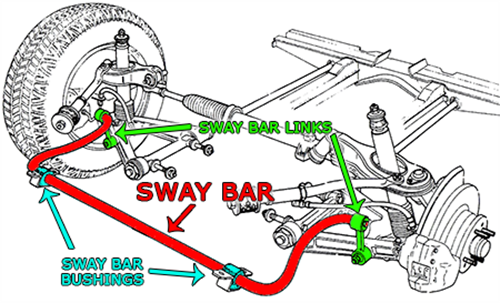
Every time you take a corner, your vehicle’s chassis wants to lean. The stabilizer system counters this force. But exactly what do sway bar bushings do in this process? These small but mighty sway bar rubber bushings act as a pivot point, allowing the metal sway bar to twist smoothly without grinding against the frame.
While the bushings provide the cushion, the links provide the bridge. To get a deeper technical breakdown of the mechanics behind the rods, you can explore our dedicated guide on What Do Sway Bar Links Do? to see how they maintain balance under high-stress driving. Together, sway bar links and bushings form a unified team that keeps your car’s tires planted firmly on the asphalt.
Symptoms of Bad Sway Bar Bushings and Links
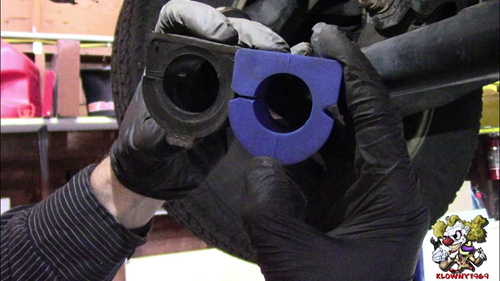
Because these parts are made of rubber and moving metal, they eventually wear out. Identifying worn sway bar bushings before they fail can save you from a dangerous driving situation.
- Clunking or Rattling: This is the most common of the signs of bad sway bar bushings, especially when driving over speed bumps.
- Squeaking Noises: If the sway bar link bushings have dried out, they will emit a high-pitched squeak.
- Loose Steering: If the sway bar bushings and links are failing, the car will feel “floaty” or less responsive in corners.
If you are hearing strange noises but aren’t sure of the source, we have created a step-by-step diagnostic checklist. Learn exactly How to Know if Sway Bar Bushings Are Bad to distinguish between a simple bushing swap and a more complex suspension overhaul.
Comparison: Sway Bar Bushings vs. Endlinks
Using the right bushing sway bar link components is vital for long-term reliability. Here is how these two parts differ in function and wear:
| Feature | Sway Bar Rubber Bushings | Sway Bar Links (Endlinks) |
| Material | High-density rubber or polyurethane | Steel, aluminum, or composite rods |
| Primary Task | Pivot and vibration damping | Structural connection to struts |
| Common Failure | Cracking, dry rot, flattening | Ball joint play, snapping, rusting |
| Diagnostic Sign | Dull thumping or squeaking | Metallic clunking or rattling |
Material Matters: Rubber vs. Polyurethane
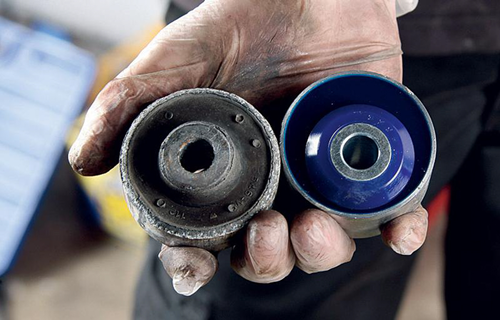
The quality of your sway bar bushings and links depends heavily on the materials used. Most drivers choose between standard rubber and high-performance polyurethane.
- High-Density Rubber: This is the classic choice for a quiet, comfortable ride. It is excellent at absorbing road noise. However, standard rubber can crack or “dry rot” over time due to heat and road salt.
- GDST Polyurethane (PU): We use advanced PU for drivers who want extra durability. It is much stronger than rubber and resists oil, salt, and chemicals.
- Longevity: It doesn’t deform under heavy loads.
- Handling: It stays stiff in sharp turns, giving you better steering control.
- Protection: It resists the environmental wear that usually leads to worn sway bar bushings.
Why Replacing Your Sway Bar Bushings Is Crucial
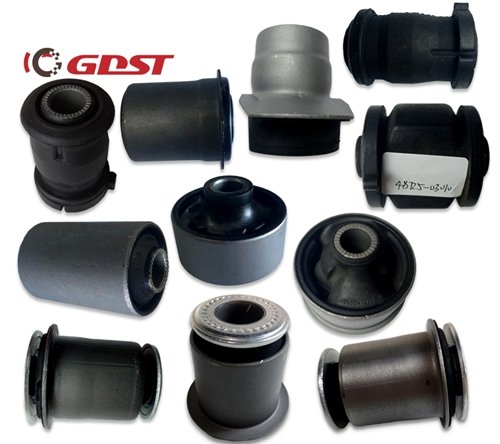
Ignoring bad sway bar link bushings creates a domino effect. When the sway bar bushings and endlinks lose their integrity, the sway bar itself can begin to rattle against other metal components, leading to a much higher repair bill.
Performing a sway bar bushing replacement is a cost-effective way to restore that “new car” handling. At GDST, we specialize in manufacturing sway bar bushings and links that utilize high-grade synthetic rubber compounds designed to outlast standard OEM parts.
FAQ: Direct Answers for You
What is a sway bar link exactly?
A sway bar link is a stabilizer rod that connects the main sway bar to the vehicle’s control arms or struts. It translates the movement of the wheels into the bar to keep the car level.
Are sway bar bushings and endlinks the same thing?
No. The sway bar link bushings are the small rubber inserts found at the ends of the links, whereas the sway bar rubber bushings are the larger clamps that hold the main bar to the car’s frame. Both are essential for a quiet ride.
How long do sway bar bushings and links usually last?
Typically, you should inspect for worn sway bar bushings every 50,000 miles. However, if you frequently drive on rough roads, you may notice symptoms of bad sway bar bushings much sooner.
Should I replace sway bar bushings and endlinks at the same time?
While you can replace them separately, professional automotive suspension specialists recommend a full sway bar bushings and links service. If your sway bar rubber bushings are worn out, the extra vibration has likely already placed excessive stress on the sway bar link bushings. Replacing both together ensures a quiet cabin and saves you from paying for a second sway bar bushing replacement labor fee just a few months later.