How Much Does a Steering Rack Cost?
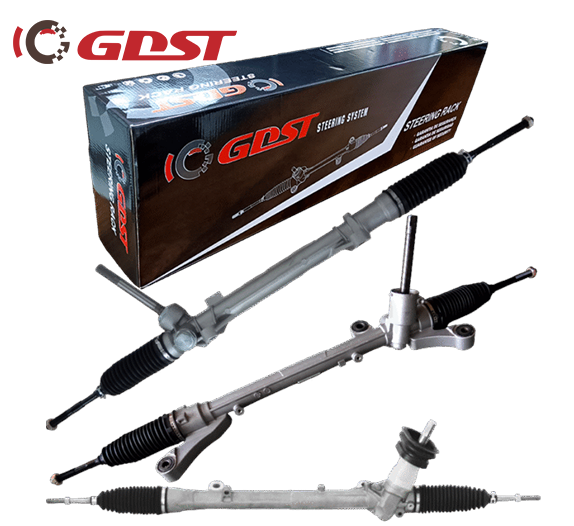
If you just want a quick number, here’s what the market typically looks like:
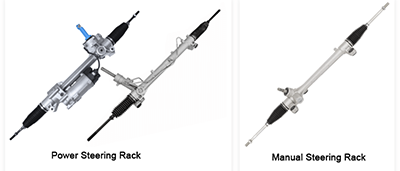
- Manual steering rack: $50 – $150
- Hydraulic power steering rack: $100 – $400
- Electric power steering rack (EPS): $300 – $1000+
But in reality, prices don’t stay in neat ranges like this. The same type of steering rack can vary a lot depending on the car model, supplier, and build quality.
If you’ve ever compared quotes from different suppliers, you’ve probably noticed that yourself.
Steering Rack Price Comparison
| Type | Price Range | Best For | Key Advantage |
|---|---|---|---|
| Manual | $50–$150 | Older vehicles | Lowest cost, simple structure |
| Hydraulic | $100–$400 | Most passenger cars | Balanced cost and performance |
| Electric (EPS) | $300–$1000+ | Modern vehicles | Energy-efficient, advanced control |
This table gives you a quick reference, but it doesn’t tell the whole story. To really understand pricing, you need to look deeper.
What Actually Affects Steering Rack Price?
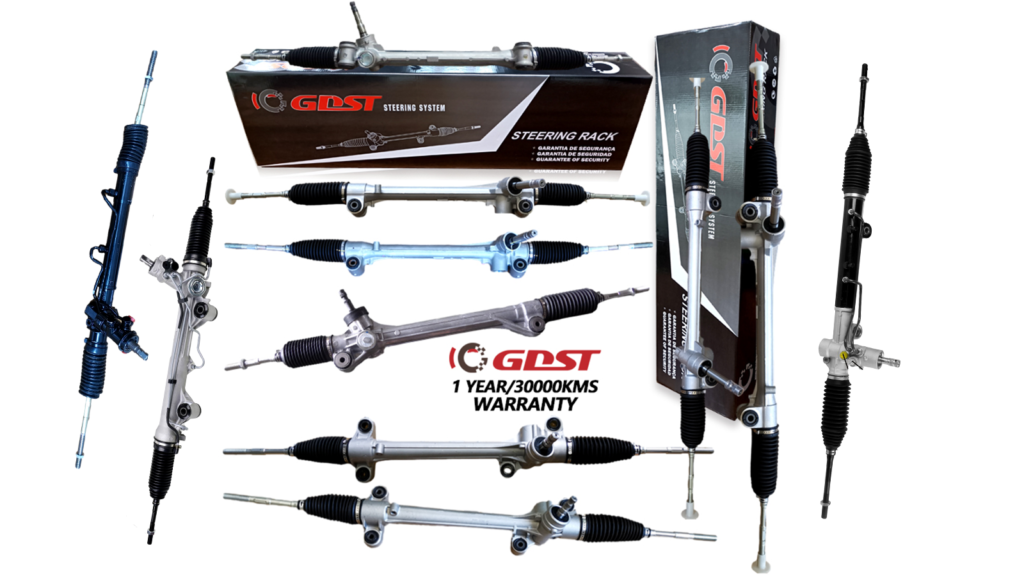
Here’s the part many articles skip—but it’s what really matters when you’re buying.
1. Vehicle Model Makes a Huge Difference
A steering rack for a compact sedan is completely different from one designed for a premium SUV.
More complex vehicles usually require:
- tighter tolerances
- stronger internal components
- more precise engineering
And yes, that pushes the price up.
2. OEM vs Aftermarket: Not Just About Price
You’ll often see two main options:
- OEM steering racks
Higher price, stable quality, brand premium - Aftermarket steering racks
More flexible pricing, wider options, better suited for bulk purchasing
From a distributor’s point of view, aftermarket products often offer more room for margin—as long as quality is consistent.
3. Materials and Internal Components
This is where a lot of “cheap vs expensive” differences come from.
Better steering racks usually include:
- higher-grade aluminum or alloy housing
- more durable seals
- better corrosion resistance
Lower-end products might look similar from the outside, but the lifespan can be very different.
4. Manufacturing Precision
Not all factories produce at the same level.
Things like:
- CNC machining accuracy
- assembly consistency
- pressure and durability testing
…all affect the final cost.
In most cases, better production control means fewer failures later—which matters a lot if you’re buying in volume.
5. Supplier Matters More Than You Think
Here’s something many buyers learn the hard way:
The same product category can have very different pricing depending on who you source from.
In many cases, working directly with a manufacturer (especially one with OEM experience) can:
- reduce unnecessary cost layers
- improve consistency across batches
- allow for customization
For wholesalers, this often makes a bigger difference than just comparing unit prices.
Steering Rack Replacement Cost (What End Buyers Care About)
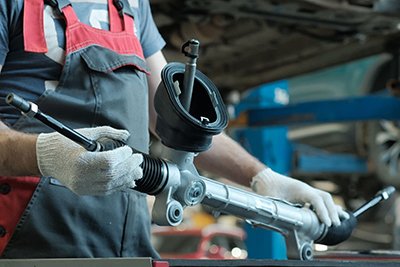
If your customers are workshops or repair shops, they usually care about total replacement cost—not just the part.
Here’s a realistic breakdown:
- Steering rack (part): $100 – $800
- Labor cost: $150 – $500
- Total replacement cost: $250 – $1300+
Labor varies a lot depending on the country and vehicle design, but one thing is consistent:
A low-quality steering rack that fails early will cost more in the long run.
Manual vs Hydraulic vs Electric: Which One Should You Choose?
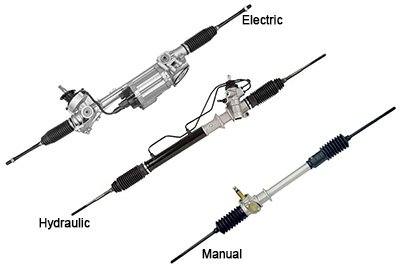
Instead of just looking at price, it helps to think in terms of use case.
If Budget Is the Priority
Manual or lower-cost hydraulic steering racks can work well.
They’re simple, widely available, and easy to maintain.
If You Want a Balance
Hydraulic systems are still the most common choice in many markets.
They offer a solid mix of:
- performance
- cost control
- availability
If You’re Targeting Newer Vehicles
Electric steering racks (EPS) are becoming the standard.
They cost more, but they also:
- reduce fuel consumption
- integrate with modern vehicle systems
- offer better control
Common Mistakes When Buying Steering Racks
Even experienced buyers can run into these issues:
- Choosing based on price alone
- Overlooking vehicle compatibility
- Ignoring internal quality differences
- Working with unstable suppliers
- Not thinking about after-sales support
These problems don’t always show up immediately—but when they do, they can be costly.
How to Choose the Right Steering Rack Supplier
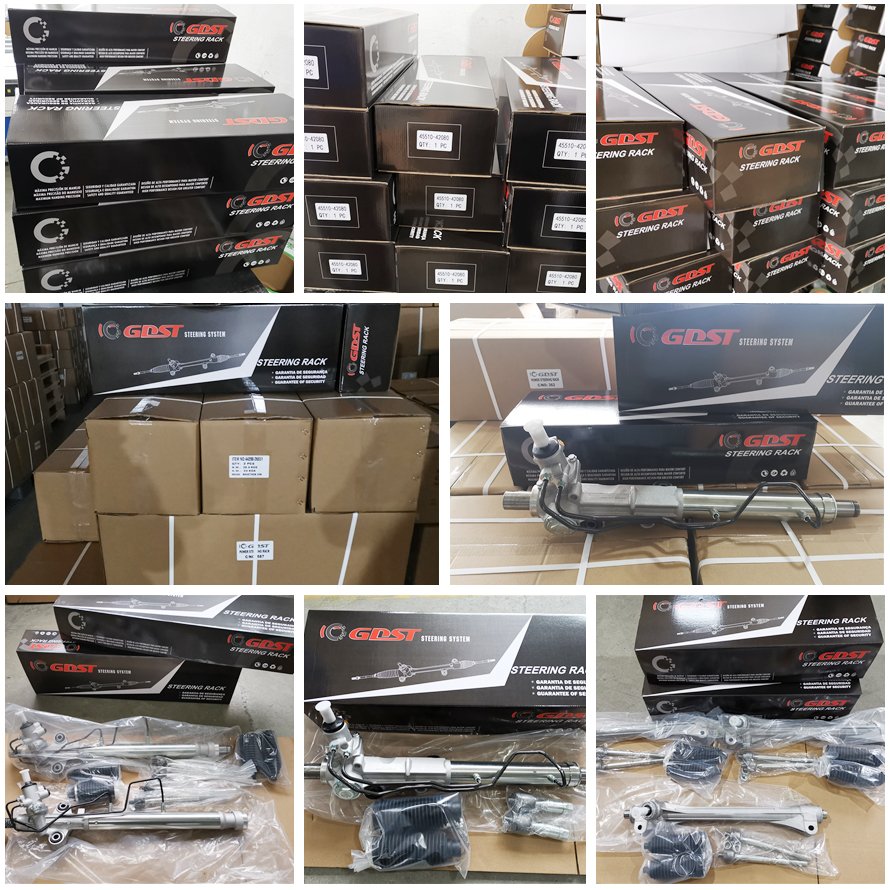
If you’re sourcing for wholesale or distribution, this part matters more than anything else.
Instead of just asking “Who is cheapest?”, it’s better to ask:
- Can this supplier handle consistent bulk orders?
- Do they cover multiple car brands and models?
- Is the quality stable across shipments?
- Do they support both OEM and aftermarket options?
Many buyers today prefer suppliers who already work with a wide range of vehicle brands and can offer flexible solutions. It simply makes sourcing easier and more scalable.
Final Thoughts
Steering rack pricing isn’t just about the number on a quote.
- The same type of product can vary widely in cost
- Material, manufacturing, and supplier all play a role
- The cheapest option is not always the most cost-effective
In most cases, the smarter approach is to look at long-term value—especially if you’re buying in volume.
FAQ
Most steering rack price range from $50 to $1000+, depending on type, vehicle, and quality level.
Because it includes both the part and labor. Installation can be complex, especially for modern vehicles.
They can be, as long as they come from a reliable manufacturer with proper quality control.
Because it includes both the part and labor. Installation can be complex, especially for modern vehicles.
Look for consistent machining, durable materials, proper testing standards, and a supplier with stable production experience.
It depends on the vehicle and application. Hydraulic systems are cost-effective, while electric systems offer better efficiency and modern features.