Many buyers struggle to choose between a hydraulic steering rack and an electric steering rack. The differences can affect performance, cost, and maintenance. Choosing the wrong system may lead to higher expenses or poor driving experience. So, which steering rack is truly the better option?
Hydraulic steering racks use fluid pressure powered by the engine to assist steering, offering better road feedback but lower fuel efficiency and higher maintenance. Electric steering racks use an electric motor, improving fuel economy, reducing maintenance, and supporting advanced driver-assist features, but may provide less steering feel. The best choice depends on your priorities: performance and feedback vs efficiency and convenience.
Now that you understand the core difference, let’s explore how each system works and which one fits your purchasing needs.
What Is a Hydraulic Steering Rack and How Does It Work?
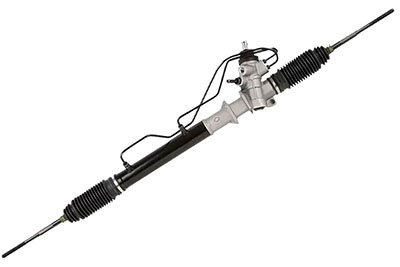
A Hydraulic Steering Rack is a traditional system that uses hydraulic fluid to assist steering. It relies on a pump driven by the engine, which pushes fluid through hoses to create pressure and help turn the wheels.
When I look at how it works, the system includes several key components:
- Hydraulic pump
- Steering rack and pinion
- Fluid reservoir
- High-pressure hoses
The biggest advantage here is responsive steering feel. Many drivers say hydraulic systems provide better “road feedback,” meaning you can feel the surface of the road more clearly.
However, this system constantly draws power from the engine—even when you’re not turning the wheel. That leads to higher fuel consumption and more wear over time.
What Is an Electric Steering Rack and How Does It Work?
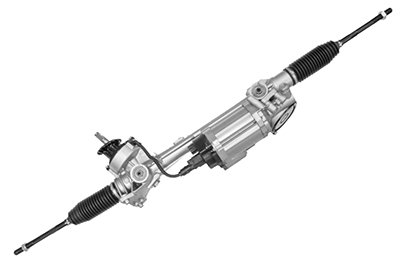
An Electric Steering Rack (also known as Electric Power Steering or EPS) replaces hydraulic components with an electric motor and sensors.
Instead of fluid pressure, the system uses:
- Electric motor
- Control module
- Sensors to detect steering input
From my experience analyzing modern vehicles, this setup is much more efficient. The motor only activates when steering assistance is needed, which reduces energy waste.
Another major benefit is compatibility with modern technologies like:
- Lane-keeping assist
- Autonomous driving systems
- Parking assist
Unlike hydraulic systems, EPS does not require fluid, which answers a common question: does electric power steering use fluid? The answer is no.
Hydraulic vs Electric Steering Rack: Key Differences Pros and Cons
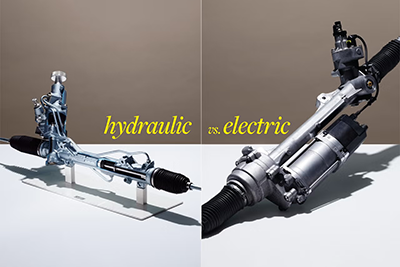
When comparing hydraulic vs electric steering rack differences pros cons, the choice becomes clearer when broken down:
| Feature | Hydraulic Steering Rack | Electric Steering Rack |
|---|---|---|
| Steering Feel | Excellent road feedback | Less natural feel |
| Fuel Efficiency | Lower (engine-driven pump) | Higher (on-demand power) |
| Maintenance | Requires fluid & repairs | Low maintenance |
| Complexity | Mechanical + hydraulic | Electronic system |
| Cost | Lower upfront | Higher initial cost |
| Technology Support | Limited | Supports ADAS features |
Key Takeaway
- Choose hydraulic steering rack for performance and driving feel
- Choose electric steering rack for efficiency and modern features
What Are the Disadvantages of Hydraulic Power Steering?
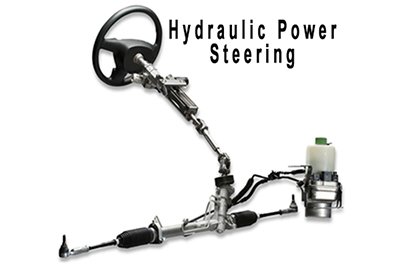
Despite its strengths, there are several disadvantages of hydraulic power steering you should consider:
- Constant engine load reduces fuel efficiency
- Requires regular fluid checks and replacement
- Risk of fluid leaks
- Heavier system overall
From a buyer’s perspective, these factors increase long-term maintenance costs. While the driving feel is excellent, the system is less efficient and less environmentally friendly.
What Are the Disadvantages of Electric Power Steering (EPS)?
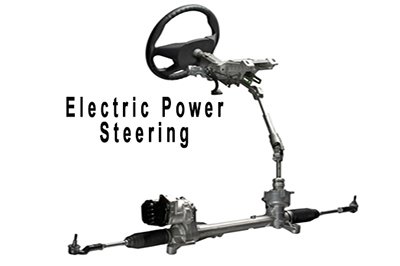
Electric power steering (EPS) offers efficiency and modern control, but it also has some drawbacks:
- Reduced road feedback – Steering feel can be less direct compared to hydraulic systems.
- Higher repair complexity – Failures often involve electronic components, making repairs more technical and costly.
- Reliance on sensors and software – System performance depends heavily on electronic calibration and control units.
From a buyer’s perspective, EPS may lead to higher diagnostic requirements and maintenance costs over time. However, ongoing improvements in software tuning are gradually enhancing steering feel and overall performance.
Does Electric Power Steering Use Fluid?
This is a common question among buyers: does electric power steering use fluid?
The simple answer is no.
Electric steering systems eliminate:
- Hydraulic fluid
- Pumps
- Hoses
This not only reduces maintenance but also removes the risk of leaks, making EPS a cleaner and more reliable option over time.
How to Choose Between Hydraulic Steering Rack and Electric Steering Rack?
If you’re a steering rack purchaser, your decision should depend on your specific use case.
Choose Hydraulic Steering Rack if:
- You prioritize driving performance
- You need strong road feedback
- You are dealing with older vehicle models
- You operate in heavy-duty or performance environments
Choose Electric Steering Rack if:
- You want better fuel efficiency
- You prefer low maintenance
- You are buying for modern vehicles
- You need compatibility with advanced systems
In my view, most buyers today lean toward electric systems because of long-term cost savings and technological advantages.
Electric vs Hydraulic Steering: Which One Should You Buy?
When it comes to electric vs hydraulic steering, there is no one-size-fits-all answer.
If your focus is performance and control, the hydraulic steering rack is still a strong choice.
But if you care more about efficiency, convenience, and future-ready technology, the electric steering rack is clearly the better investment.
For most commercial buyers and modern applications, electric systems are quickly becoming the industry standard.
Summary
Choosing between a hydraulic and electric steering rack depends on your priorities. If you value driving feel, go hydraulic. If you prefer efficiency and low maintenance, electric is the better choice. Consider your vehicle type and usage before making a final decision.